

Maddy summaryHR 1581, the America Works Act of 2023, modifies work requirement exemptions for the Supplemental Nutrition Assistance Program (SNAP). It expands direct exemptions to include individuals medically certified as unfit for work, parents or caregivers of children under 7, and pregnant women, while removing a specific enforcement clause (Section 6(o)(4)(A)(ii)). The bill adjusts existing exemption rules to clarify that certain exemptions apply retroactively to cases beginning before the bill's enactment date. These changes directly affect SNAP recipients who would otherwise face work requirements under federal law.
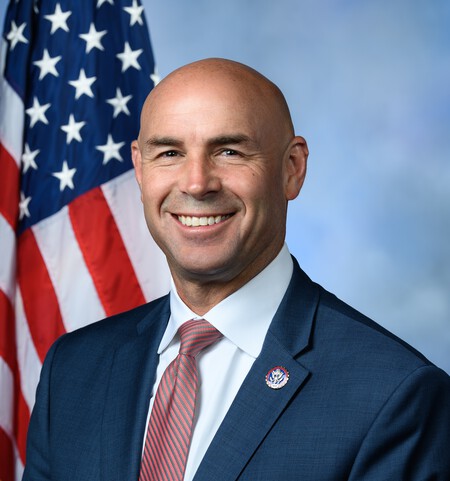
Rep. Jake Ellzey
Sponsored bills
Maddy summaryHR 1550, the "Jobs and Opportunities for SNAP Act," reinstates work requirements for able-bodied adults without dependents who receive SNAP benefits. It removes a temporary pandemic-era exemption and modifies the Food and Nutrition Act to standardize these requirements, tightening exemption rules (reducing the allowable exemption threshold from 12% to 3% in certain cases). The bill affects SNAP recipients aged 18-64 without dependents, requiring them to meet work standards unless medically certified unfit, caring for young children, pregnant, or otherwise exempt under specific criteria. It also repeals outdated enforcement provisions and adjusts exemption categories to align with new standards. These changes directly alter eligibility conditions for a subset of SNAP beneficiaries.
Maddy summaryHR 1362, the Saving America’s Energy Future Act, prohibits federal agencies from banning new oil and gas leasing or drilling permits on federal lands. It directly prevents the Secretaries of Agriculture (for National Forest System lands) and Interior (for other public lands) from implementing moratoriums on these activities. The bill’s key mechanism is a clear statutory ban requiring agencies to continue processing new leases and permits without delay. This policy change affects oil and gas companies seeking access to federal land resources by ensuring leasing processes remain active. The bill does not create new programs or alter environmental standards, only blocking a specific regulatory action.
Maddy summaryHR 1818, the Aviation Workforce Development Act, expands tax-advantaged savings plans (529 plans) to cover costs for specific aviation training programs. It allows funds from these plans to pay for tuition, fees, and required materials at FAA-certified aviation maintenance technician schools (Part 147) or commercial pilot training programs (Part 61 or 141). This directly affects students pursuing careers as aircraft maintenance technicians or commercial pilots by making these training costs more affordable through existing tax-advantaged savings. The bill amends the tax code to include these programs under "qualified higher education expenses" for 529 plan distributions.
This resolution expresses support for the designation of Welcome Home Vietnam Veterans Day. It also honors and recognizes the contributions of veterans who served in Vietnam.
Maddy summaryHR 5, the Parents Bill of Rights Act, would require public schools receiving federal funding to provide parents with greater access to educational information. The bill mandates that schools post curricula online or widely distribute it to parents, include school budgets in report cards, and provide specific information about school activities including violent incidents and plans to eliminate gifted programs. It also guarantees parents the right to meet with teachers twice a year, review library materials, and address school boards. These requirements would apply to all local educational agencies and schools covered by the Elementary and Secondary Education Act. The bill amends existing education laws to strengthen parental transparency and involvement in their children's education.
No Partisan Radio and Partisan Broadcasting Services Act or the NPR and PBS Act This bill prohibits federal funding of National Public Radio (NPR) and the Public Broadcasting Service (PBS), including by prohibiting the use of federal funds received by a public broadcast station to pay dues to or purchase programming from NPR or PBS.
Maddy summaryH.J. Res. 30 seeks to block a Department of Labor rule that would have required retirement plan managers (like those handling 401(k)s) to follow strict "prudence and loyalty" standards when selecting investments and voting on company matters. The rule, published in December 2022, aimed to protect retirement savings by ensuring fiduciaries prioritize participants' interests. This resolution, if passed, would prevent the rule from taking effect, avoiding new compliance requirements for retirement plan managers and sponsors. It directly affects retirement plan administrators and the millions of participants in these plans.
This resolution supports the preservation of the stepped-up basis tax rule that allows recipients of inherited assets such as land, equipment, or buildings to adjust the cost basis of the assets to reflect their fair market value. The resolution opposes any efforts to impose new taxes on family farms or small businesses and recognizes the importance of generational transfers of farm and family-owned businesses.
Maddy summaryHR 1748, the Quantum in Practice Act, amends the National Quantum Initiative Act to explicitly include "quantum molecular modeling or simulation" as a priority research area. This change directs federal funding and research efforts toward advancing quantum computing applications for molecular-level simulations. The bill directly affects scientists and researchers working under the National Quantum Initiative Act by expanding their program focus to include modeling chemical processes, materials, and reactions. Key provisions add this specific research category to existing funding priorities, aiming to accelerate breakthroughs in fields like sustainable fertilizers, drug development, and advanced materials. The policy change is purely procedural, redirecting existing program resources without creating new funding.