

Credit Card Competition Act of 2022 This bill addresses network access and competition in electronic credit transactions. The bill generally prohibits credit card issuers from restricting the number of payment card networks on which an electronic credit transaction may be processed. Specifically, the Board of Governors of the Federal Reserve System must prohibit certain credit card issuers with assets of over $100 billion from restricting the number of networks on which credit card transactions may be processed to one network, two or more networks operated by affiliated networks or persons, or the two networks with the largest market share of credit cards issued. Additionally, credit card issuers are prohibited from imposing certain limitations on the routing of electronic credit transactions, such as through penalties for failure to meet a specified threshold of transactions on a particular payment card network. The board must also provide for the designation of payment card networks that pose a security risk to the United States or are owned, operated, or sponsored by a foreign state entity.
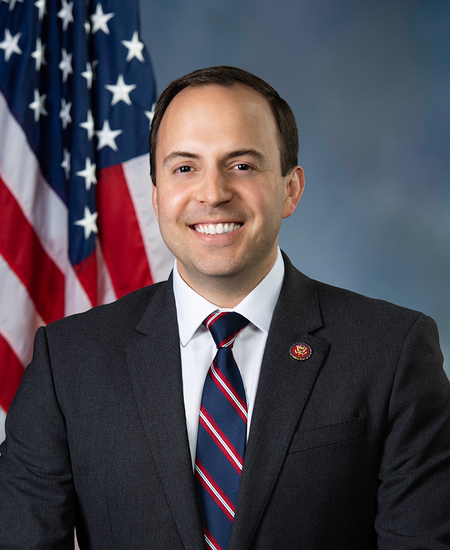
Rep. Lance Gooden
Sponsored bills
Protect the UNBORN (Undo the Negligent Biden Orders Right Now) Act or the Protect the UNBORN Act This bill prohibits federal implementation of and funding for specified executive orders that address access to reproductive health care services, including services related to pregnancy or the termination of a pregnancy.
Pharmacist Conscience Protection Act This bill prohibits the federal government and federally funded entities from discriminating or otherwise taking adverse action against a pharmacist, pharmacy owner, or pharmacy technician who declines to store, fill prescriptions for, or make referrals for drugs that cause abortions (or that the individual provider believes in good faith cause abortions). Individuals or the Department of Justice may bring civil actions for violations of this bill.
Improving Seniors' Timely Access to Care Act of 2022 This bill establishes several requirements and standards relating to prior authorization processes under Medicare Advantage (MA) plans. Specifically, MA plans must (1) establish an electronic prior authorization program that meets specified standards, including the ability to provide real-time decisions in response to requests for items and services that are routinely approved; (2) annually publish specified prior authorization information, including the percentage of requests approved and the average response time; and (3) meet other standards, as set by the Centers for Medicare & Medicaid Services, relating to the quality and timeliness of prior authorization determinations.
No Federal Funds for Abortion Travel Expenses Act of 2022 This bill prohibits the use of federal funds to support interstate travel to obtain an abortion.
This resolution expresses that the House of Representatives recognizes the importance of rural and agricultural programming and the need for greater access to rural and agricultural media programming.
This bill prohibits any officer or employee of the Internal Revenue Service (IRS) hired after the bill's enactment, from possessing a firearm while performing official duties and receiving training in the use of a firearm in connection with such duties. The bill further prohibits the IRS from acquiring any firearm or ammunition after the bill's enactment.
Public Service Reform Act This bill establishes all employees of the executive branch as at-will employees who may be subject to any adverse personnel action with or without cause and without the right to appeal such actions. The bill also establishes specialized removal procedures for career employees (i.e., nonpolitical employees), abolishes the Merit Systems Protection Board, and provides certain allowances for whistleblowers and appeals to the Equal Employment Opportunity Commission.
Securing and Enabling Commerce Using Remote and Electronic Notarization Act of 2022 or the SECURE Notarization Act of 2022 This bill allows a notary public commissioned under state law to remotely notarize electronic records and perform notarizations for remotely located individuals. The bill provides technical requirements for such notarizations, including the creation and retention of video and audio recordings and the use of communication technologies (i.e., video chat). Additionally, the bill requires U.S. courts and states to recognize notarizations—including remote notarizations of electronic records and notarizations of remotely-located individuals—that occur in or affect interstate commerce and are performed by a notary public commissioned under the laws of other states. The bill also allows a notary public to remotely notarize electronic records involving an individual located outside of the United States, subject to certain requirements.
This resolution expresses support for U.S. Border Patrol agents, denounces the politicization and falsification of claims against agents in Del Rio, Texas, and calls on the Biden administration to support front line agents.