

This joint resolution nullifies the final rule issued by the Animal and Plant Health Inspection Service (APHIS) titled Importation of Fresh Beef From Paraguay and published on November 14, 2023. The final rule allows for the importation of fresh (chilled or frozen) beef from Paraguay into the United States under certain conditions. The United States prohibits or restricts the importation of certain animals and animal products to prevent the introduction of various animal diseases, including foot-and-mouth disease (FMD). In response to a request from Paraguay to allow the importation of fresh beef from Paraguay into the United States, APHIS conducted a risk analysis. APHIS concluded that fresh beef could be safely imported from Paraguay, provided that certain conditions are met. These conditions include that (1) FMD has not been diagnosed in the exporting region within the previous 12 months; (2) the meat originated from premises where FMD has not been present during the lifetime of any bovines slaughtered for U.S. meat export; and (3) APHIS may periodically conduct on-site evaluations and subsequent inspections of the slaughter facilities, records, and operations.
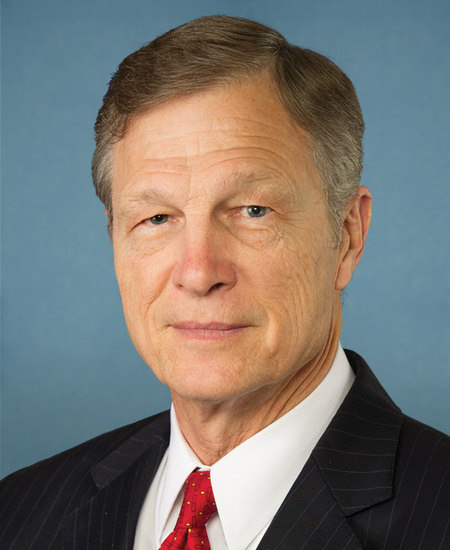
Rep. Brian Babin
Sponsored bills
Maddy summaryH.Res. 1019 is a resolution passed by the U.S. House of Representatives condemning the Nicaraguan government's imprisonment of 11 individuals affiliated with Mountain Gateway Ministry. The resolution states these arrests occurred without due process on baseless charges of money laundering and organized crime, with detainees lacking adequate legal counsel. It specifically calls on Nicaragua to address these violations of religious freedom and human rights, following the government's pattern of targeting religious groups. This symbolic resolution expresses congressional disapproval but does not impose legal requirements on Nicaragua.
Maddy summaryHR 7366 requires U.S. Customs and Border Protection (CBP) to publish monthly border encounter data on its public portal by the 7th of each month. This affects CBP directly, as it mandates the timely release of data on encounters at the border during the previous month. The bill also includes a penalty: if CBP misses this deadline, funding for the Office of the Secretary of Homeland Security is reduced by 25% for the following month. The law focuses on ensuring transparency in border data reporting through specific deadlines and financial consequences.
Maddy summaryHR 7176, the "Unlocking our Domestic LNG Potential Act of 2024," streamlines approval processes for U.S. liquefied natural gas (LNG) export terminals. It grants the Federal Energy Regulatory Commission (FERC) exclusive authority to approve or deny LNG export facility projects, requiring FERC to deem such exports "consistent with the public interest" unless specific legal exceptions apply. The bill explicitly preserves the President’s authority to block LNG exports under sanctions laws targeting countries designated as state sponsors of terrorism. This directly affects LNG companies seeking export permits and FERC’s regulatory role, without altering existing environmental or safety regulations.
Maddy summaryHR 7273 cancels unspent funds from two federal programs supporting electric vehicle charging infrastructure. It rescinds unused balances from the National Electric Vehicle Infrastructure Formula Program (under the Infrastructure Investment and Jobs Act) and another highway grant program, redirecting them to the U.S. Treasury for deficit reduction. This bill does not affect current grants or future funding for EV projects; it only redirects unobligated money already allocated but not yet spent. The policy change is purely financial, with no new requirements or impacts on states, businesses, or consumers.
Maddy summaryHJRES 114 is a joint resolution seeking congressional disapproval of a Federal Highway Administration (FHWA) rule that would have required tracking greenhouse gas emissions as part of assessing performance for the National Highway System. The rule, published in the Federal Register in December 2023, aimed to establish specific metrics for evaluating highway system performance, including emissions data. If approved, this resolution would nullify the rule, preventing the FHWA from implementing the emissions tracking requirement. This action directly affects how the FHWA measures highway system performance, specifically regarding environmental metrics.
This resolution expresses the sense of the House of Representatives that former President Trump did not engage in insurrection or rebellion against, nor give aid or comfort to the enemies of, the United States.
Maddy summaryHJRES 107 is a congressional resolution seeking to block a Federal Communications Commission (FCC) rule published on January 22, 2024 (89 Fed. Reg. 4128). The resolution aims to disapprove the FCC's rule implementing digital discrimination protections under the Infrastructure Investment and Jobs Act, which would have required internet providers to prevent discriminatory practices. If passed, this resolution would nullify the FCC rule, preventing it from taking effect under the Congressional Review Act (Chapter 8 of Title 5, U.S. Code). The bill directly affects the FCC's regulatory authority over digital discrimination enforcement in broadband services.
Maddy summaryHR 7183, the PROTECTS Act of 2024, prohibits federal funding from being used to provide or refer for specific gender transition procedures to individuals under 18. The bill defines prohibited procedures broadly to include surgeries (like hysterectomy, mastectomy, or genital reconstruction), puberty-blocking medications, and hormone treatments administered at supraphysiologic doses. It includes limited exceptions for medically necessary care, such as treating precocious puberty or correcting genetic disorders of sex development. The law directly affects minors seeking gender-affirming medical care covered by federal programs, restricting federal financial support for these services.
Maddy summaryHR 7182, the Defend Our Borders From Armed Invaders Act, would authorize the National Guard to stop individuals attempting to cross the U.S. border from Mexico by land if they are clearly carrying weapons. This bill amends federal law to explicitly allow the National Guard to take necessary actions against such individuals without requiring special federal approval. It directly affects National Guard operations along the U.S.-Mexico border and targets only those crossing with weapons, not all border crossers. The law overrides existing restrictions on National Guard use for domestic border security under 18 U.S.C. § 1385.