

Maddy summaryHR 1399, the "Protect Children's Innocence Act," prohibits medical gender-affirming care for minors under 18 by making it a class C felony for providers to perform such care. The bill defines gender-affirming care broadly to include surgical procedures, hormone treatments, and certain cosmetic procedures, with exceptions for medical conditions like reproductive cancers or intersex conditions. It prohibits federal funding for gender-affirming care through programs like Medicaid, Medicare, and the Affordable Care Act, and bans such care in federal health facilities. The bill also prevents institutions of higher education from teaching gender-affirming care and adds immigration consequences for individuals who provide such care to minors.
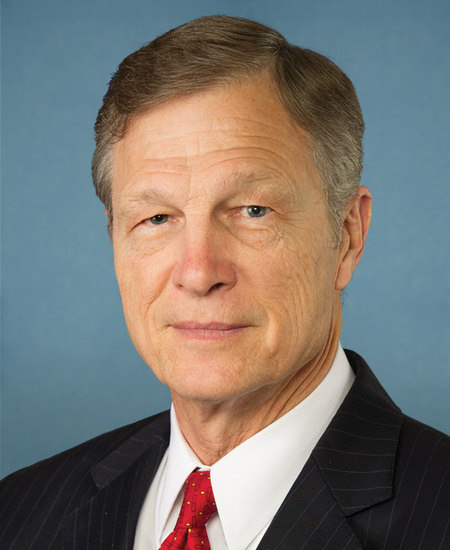
Rep. Brian Babin
Sponsored bills
Maddy summaryHR 1276, the "Protect Minors from Medical Malpractice Act of 2023," creates a legal right for minors who undergo gender-transition procedures before age 18 to sue medical practitioners for harms (physical, psychological, or emotional) related to those procedures. It allows such individuals to file civil lawsuits up to 30 years after turning 18, seeking damages, injunctions, or attorney fees. The bill defines "gender-transition procedure" broadly to include puberty blockers, cross-sex hormones, or surgeries, but excludes treatments for intersex conditions, medical emergencies, or injuries caused by prior procedures. This law directly affects minors receiving such care, medical practitioners performing these procedures, and states that might require them. The bill does not prohibit gender-transition care but establishes a liability framework for practitioners.
Maddy summaryThe Rural ER Access Act removes a Medicare rule requiring off-campus emergency departments (ERs) to be located within 35 miles of their main hospital campus to qualify for the same billing and reimbursement as the main facility. This change directly affects rural hospitals and clinics operating off-campus ERs, which often face geographic barriers under the current 35-mile limit. By eliminating this location requirement, the bill allows these rural ERs to be treated as part of the main hospital for Medicare purposes, potentially expanding access to emergency care in remote areas. The regulation change must be implemented by the Secretary of Health and Human Services within 60 days of the bill’s enactment.
Maddy summaryThe Rural Health Care Access Act of 2023 modifies the Medicare Rural Hospital Flexibility Program to simplify eligibility rules for rural hospitals. It removes two specific conditions hospitals previously needed to meet for designation (by deleting certain subclauses) and requires that any redesignation for the program must be completed before the bill’s enactment date. This directly affects rural hospitals relying on cost-based Medicare payments, which help cover their operating expenses. The bill streamlines administrative processes without changing the program’s core funding structure.
Maddy summaryThis bill repeals specific provisions from the Affordable Care Act and its 2010 amendment that restricted certain physician referrals to hospitals under Medicare. It directly affects hospitals and physicians who previously faced limitations on referring Medicare patients to facilities they owned or had financial ties with. The key mechanism restores the original rules that allowed such referrals without the prior restrictions, effectively undoing the 2010 changes. This is a procedural change to existing law, not a new policy.
Maddy summaryHR 407, the "Protect the UNBORN Act," prohibits federal agencies from implementing or enforcing two specific executive orders issued by President Biden in 2022 (Executive Orders 14076 and 14079), which aimed to protect access to reproductive healthcare services. The bill bans the use of federal funds, including those from the 2022 Consolidated Appropriations Act, to carry out, administer, or enforce these executive orders. It directly affects federal agencies and programs that would otherwise comply with the Biden administration's policies on reproductive healthcare access. The bill does not create new healthcare rules but blocks the implementation of existing executive actions.
Maddy summaryHR 114, the "Fund and Complete the Border Wall Act," establishes a Secure the Southern Border Fund to finance border barrier construction and maintenance along the U.S.-Mexico border. The bill creates a 5% fee on remittance transfers to foreign countries and increases Form I-94 processing fees, with portions of these fees directed to the fund. It requires the Department of Homeland Security to report annually on illegal border crossings and sets a December 31, 2023, deadline for completing border barriers. The legislation also includes provisions for border patrol agent compensation and allows the Secretary of Homeland Security to waive legal requirements to expedite border wall construction.
Maddy summaryThis bill bans federal funding for abortions in most cases, prohibiting the use of taxpayer money for abortion services or health insurance plans covering abortion. Exceptions allow funding for abortions resulting from rape, incest, or when a pregnancy endangers a woman's life. It requires health insurance plans sold through the Affordable Care Act (ACA) marketplaces to clearly disclose any separate costs for abortion coverage and prohibits ACA subsidies from being used for plans that cover abortion (except in the specified exceptions). The law directly affects federal programs like Medicaid, ACA marketplace plans, and insurers offering health coverage to individuals using federal subsidies.
Maddy summaryThis bill, the ASTRO Act (HR 272), authorizes government funding for transportation for astronauts returning from space who require medical monitoring or treatment before receiving clearance to drive. It directly affects NASA astronauts and others under government agreements who need post-flight medical care. The key provision adds a new category to existing transportation rules, allowing reimbursement for such travel until medical clearance is granted. NASA must annually report details like the number of people transported, instances of service, and total costs to Congress.
Maddy summaryHR 5799, the James R. Dominguez Memorial Act of 2023, designates a U.S. Border Patrol checkpoint on U.S. Highway 90 West in Uvalde County, Texas, as the "James R. Dominguez Border Patrol Checkpoint" to honor Agent James R. Dominguez, who died in 2012 while clearing road debris. The bill updates all federal references - such as laws, maps, and documents - to use this new name for the checkpoint. It does not change border patrol operations or policies, only the official designation of the location. This memorial act directly affects the checkpoint's identity and all federal records referencing it.