

Maddy summaryHRES 289 is a resolution recognizing the week of April 11-17, 2023, as the sixth annual "Black Maternal Health Week" to raise awareness about maternal health disparities. It highlights that Black women in the U.S. face disproportionately high rates of pregnancy-related deaths (2.6 times more likely than White women) and complications, driven by systemic inequities. The resolution urges national attention on these issues and supports policy solutions like the Black Maternal Health Momnibus Act to address racial gaps in maternal care. As a non-binding recognition, it does not enact new laws but aims to amplify community-driven efforts to improve outcomes.
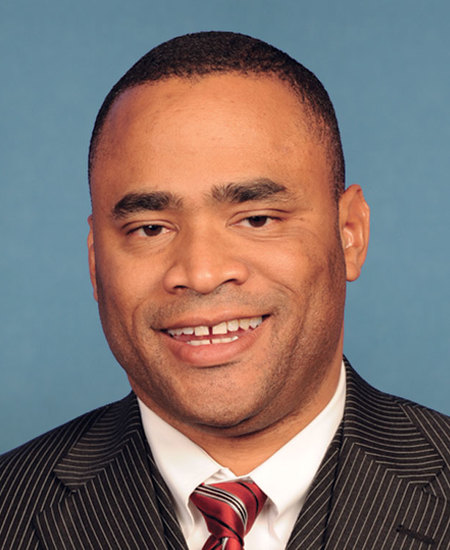
Rep. Marc A. Veasey
Sponsored bills
Maddy summaryThis bill extends eligibility for the WIC nutrition program to new mothers for 24 months after childbirth (up from six months) and extends breastfeeding support periods to 24 months (up from one year). It directly affects new mothers and infants who rely on WIC for nutrition assistance, breastfeeding support, and health services. Key provisions include amending the Child Nutrition Act to lengthen these benefit periods and requiring a report within two years evaluating health outcomes, breastfeeding rates, and family experiences. The report must assess impacts on maternal/infant health, racial disparities, and program effectiveness. This is a substantive policy change focused on improving access to critical postpartum support.
Maddy summaryThis bill expands the tax deduction available to educators by adding coaches and interscholastic sports administrators to the list of eligible professionals. Previously excluded from the deduction due to specific wording, these roles now qualify under the revised tax code language. The change modifies Section 62 of the Internal Revenue Code to include "interscholastic sports administrator or coach" as part of the deduction for instructional school personnel. It affects school staff directly by allowing them to deduct qualified education expenses on their federal tax returns starting in 2023. The bill does not create new programs but adjusts existing tax rules for eligible educators.
Justice for Incarcerated Moms Act This bill establishes new requirements related to grants, programs, and reports to improve the treatment and care of pregnant and postpartum women who are incarcerated. Specifically, the bill requires the following: states must restrict the use of restraints on pregnant women in prison in order to receive full funding under the Edward Byrne Memorial Justice Assistance Grant program; the Bureau of Prisons must establish programs to optimize maternal health outcomes for pregnant and postpartum women in federal prisons; the Bureau of Justice Assistance must award state grants for programs to support pregnant and postpartum women in state and local prisons and jails; and the Government Accountability Office must report on adverse maternal and infant health outcomes among incarcerated individuals and infants born to such individuals, with a particular focus on racial and ethnic disparities.
Maddy summaryThe PAST Act of 2023 amends the Horse Protection Act to ban specific devices used to cause pain (soring) in horses at shows, particularly affecting Tennessee Walking Horses, Racking Horses, and Spotted Saddle Horses. It defines prohibited "action devices" (like boots or chains causing friction) and requires licensed, conflict-free inspectors at events to enforce rules. The bill increases penalties for violations to up to $5,000 fines or 3 years in jail, and mandates longer disqualifications for repeat offenses (180 days → 1 year → 3 years). Horse show organizers, exhibitors, and participants must comply with these new inspection and penalty requirements.
Maddy summaryHR 3179, the Supporting Apprenticeship Colleges Act of 2023, provides federal grants to colleges offering construction and manufacturing apprenticeship programs. It funds two key initiatives: (1) Community Outreach Grants to help colleges recruit students and partner with employers, especially in rural areas and for underrepresented groups like first-generation, minority, and nontraditional students; and (2) Student Support Grants to improve retention through services like career advising, mental health resources, and childcare. The bill allocates $5 million annually (2024-2028) for these programs, with each college receiving up to $500,000 per grant. It directly affects apprenticeship colleges, their students, and local employers by expanding access to skilled trades careers.
Maddy summaryThe HELPER Act of 2023 creates a new FHA mortgage insurance program specifically for first responders and K-12 teachers. It allows eligible first-time homebuyers in these professions to secure mortgages with 100% financing (no down payment required) for purchasing or repairing a primary residence. To qualify, applicants must be employed as law enforcement, firefighters, paramedics, or K-12 teachers, have completed housing counseling, and meet specific employment history requirements (e.g., 4 years in the role or disability-related release). The program authorizes $660,000 for fiscal year 2024 and $160,000 annually through 2030, with authority expiring after 5 years.
Maddy summaryHR 3130 strengthens protections for election records, papers, and equipment used in federal elections. It expands the definition of protected materials to include electronic records and voting equipment, requires election officials to preserve equipment for 22 months after federal elections (while retaining all data), and mandates new federal guidance on best practices for handling these materials. The bill also creates a new court process allowing the Attorney General or candidates to seek immediate judicial enforcement if election records are mishandled. These changes directly affect election officials managing federal elections and the security of voting systems.
Maddy summaryThis resolution (HRES 359) is a symbolic House measure expressing support for designating May 2023 as "National Physical Fitness and Sports Month." It does not create new laws or programs but encourages public awareness about the importance of physical activity and healthy lifestyles. The resolution cites obesity statistics and emphasizes benefits like reduced risk of chronic diseases, supporting existing efforts to educate the public on nutrition and exercise. It directly affects no specific group but aims to promote broader public health messaging.
Maddy summaryHR 3008, the Drug Shortage Prevention Act of 2023, requires manufacturers of critical essential medicines (like life-saving or emergency drugs) to notify the FDA earlier about potential supply disruptions. Specifically, manufacturers must report permanent production stops, interruptions, or unexpected demand spikes (not seasonal) at least six months in advance for production issues, or within 48 hours for sustained demand increases. The notification must include reasons, ingredient sources, alternative suppliers, and expected duration. The FDA will then share this information with healthcare providers and patient groups to help manage shortages. This law applies to drugs critical for life-sustaining care, excluding certain radio pharmaceuticals.