

Maddy summaryHR 6383 prohibits the Department of Homeland Security (DHS) from using federal funds to implement or enforce a "remain in Texas policy." This policy would require migrants released by DHS or HHS to stay in Texas after entering the U.S. The bill's key mechanism is a funding ban, blocking DHS from enforcing such requirements without congressional approval. It directly affects migrants subject to release by DHS/HHS and DHS operations. The policy change is purely procedural, restricting how federal funds can be used for migration management in Texas.
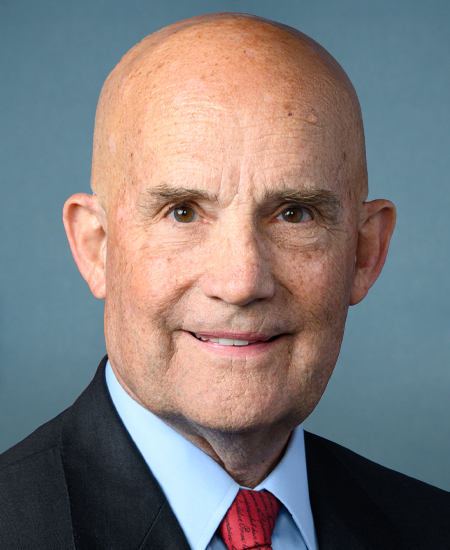
Rep. Keith Self
Sponsored bills
Adding Coccidioidomycosis to the FDA Priority Review Voucher Program Act of 2023 This bill expands the priority-review voucher program for tropical diseases to include coccidioidomycosis (also known as Valley fever). A voucher entitles the holder to have a future new drug or biological product application acted upon by the Food and Drug Administration within six months.
Maddy summaryHJRES 97 is a resolution seeking to block a specific rule issued by the Department of Justice. It targets a rule published in April 2023 that changed how home confinement is applied for federal prisoners under the CARES Act. The resolution would stop this rule from taking effect by invoking Congress's authority to disapprove federal agency rules under a standard process. This directly affects federal prisoners who might otherwise be eligible for home confinement under the CARES Act provisions.
Maddy summaryThis bill would authorize the U.S. government to confiscate Russian sovereign assets held in U.S. jurisdiction and use those funds to support Ukraine's reconstruction and humanitarian needs following Russia's invasion. It prohibits releasing these blocked assets until Russia fully compensates Ukraine or agrees to an international compensation mechanism. The bill establishes a "Ukraine Support Fund" to hold confiscated assets and requires regular congressional reporting on how these funds are allocated for Ukraine's recovery. It also includes provisions for international coordination with allies on sanctions and asset management related to Russia's invasion of Ukraine.
Maddy summaryThe SHIP Act imposes sanctions on foreign entities that knowingly handle Iranian petroleum, targeting those involved in port operations, transportation, refining, or ship-to-ship transfers of Iranian oil. Starting 90 days after enactment, the President must block assets, deny visas, and impose penalties on individuals or companies engaging in these activities, including family members or owners of sanctioned entities. It requires annual reports tracking Iran's oil exports, revenues, and key players like shipping companies and ports. The sanctions terminate if the President certifies Iran has stopped supporting terrorism and dismantled weapons programs.
Maddy summaryThis bill prohibits federal funding for Planned Parenthood Federation of America and its affiliates, clinics, or related entities. It directs that funds previously allocated to Planned Parenthood must instead support other providers - including community health centers, hospitals, and clinics - that offer women’s health services like contraception, cancer screenings, and prenatal care. The bill explicitly states it does not reduce overall federal funding for women’s health care or affect existing abortion-related funding restrictions in appropriations laws. It ensures continued access to these services through alternative providers, particularly in underserved communities.
Maddy summaryHRES 798 is a House resolution condemning support for Hamas, Hezbollah, and other terrorist organizations at colleges and universities. It states such support may create a hostile environment for Jewish students, faculty, and staff, citing incidents like blaming Israel for the October 7 Hamas attack. The resolution urges the Secretary of Education to direct the Office for Civil Rights to investigate and take action where appropriate. This non-binding resolution expresses the House's position but does not create new law or policy changes.
Maddy summaryHRES 559 is a non-binding House resolution declaring U.S. policy that a nuclear-armed Iran is unacceptable. It states the U.S. must prevent Iran from obtaining nuclear weapons under any circumstances, use all means necessary to stop this, and support allies like Israel in doing so. The resolution does not create new laws or programs but formally expresses congressional position on Iran's nuclear program. It directly affects U.S. foreign policy direction and diplomatic messaging, not specific individuals or groups.
Maddy summaryHR 6170, the Border Security and Terrorism Prevention Act, requires the immediate halt to all immigration processing at the southern border for both legal entries and unlawful crossings. It mandates that migrants apprehended there be detained and removed without delay, with border operations resuming only after the Secretary of Homeland Security certifies no terrorists can enter via the southern border (within 15 days). The bill also requires a detailed report to Congress on border security gaps, counter-terrorism efforts, and a plan to screen all apprehended individuals against terrorist databases before release. This legislation directly affects migrants seeking entry at the southern border and shifts enforcement priorities toward immediate detention and database verification.
Maddy summaryHR 6153 requires the President to review sanctions against 49 specific Hong Kong officials within 180 days of the bill's enactment. The review must determine if these individuals - such as judges, prosecutors, police officials, and security committee members - meet criteria under laws like the Hong Kong Human Rights and Democracy Act and the Global Magnitsky Act. The President must submit a detailed justification to congressional committees, including the Foreign Relations and Financial Services committees. This bill directly affects the listed officials by initiating a formal assessment of their sanctions status, without altering existing sanctions or guaranteeing any outcome.