

Maddy summaryThis bill creates several tax credits to increase housing affordability for individuals and families. It establishes a first-time homebuyer credit of up to $25,000 (or $50,000 for first-generation homebuyers) for purchasing a principal residence, with income limits based on household size. It also creates a starter home construction credit for building homes under 1,200 square feet priced below 80% of local median home prices, and a renter tax credit for tenants paying more than 30% of their income in rent. Additionally, it provides a credit for converting non-residential buildings to affordable housing that meets specific income and rent restrictions. The bill includes provisions for inflation adjustments and reporting requirements for these tax credits.
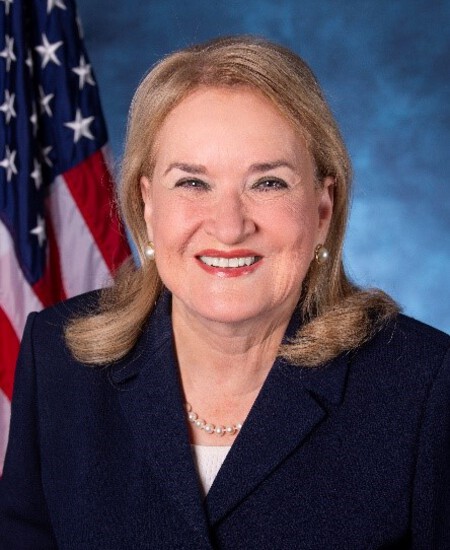
Rep. Sylvia R. Garcia
Sponsored bills
Maddy summaryHR 6358, the Veteran Education Empowerment Act, creates a federal grant program to help colleges establish or improve dedicated Student Veteran Centers. These centers provide veterans, active-duty service members, and their families with lounge space, benefits counseling, academic support, and mental health services. Institutions must serve significant numbers of veterans and have sustainability plans to qualify for grants, with funding capped at $500,000 per institution over four years. The bill directly affects colleges serving veterans and aims to address challenges like isolation and transition difficulties through centralized campus support.
Maddy summaryThis bill requires military child and youth programs - including military child development centers, Department of Defense youth programs, and family home day care providers receiving DoD funding - to notify parents or guardians within 24 hours of suspecting child abuse or neglect. It also mandates that these programs report such incidents to the Senate and House Committees on Armed Services, state senators representing the location, and the local House representative within 72 hours. The law directly affects military-connected families and child care providers operating under DoD programs, ensuring faster transparency for both families and oversight bodies. The policy creates a clear timeline for reporting suspected abuse, aiming to improve responsiveness without altering existing child welfare protocols.
Maddy summaryHRES 909 is a House resolution affirming that immigrant justice and reproductive justice are interconnected and must be addressed together. It calls on the Department of Homeland Security to reinstate protections for pregnant individuals in detention, eliminate the 5-year bar restricting immigrants’ access to federal health programs like Medicaid, and implement transparent oversight of reproductive health care in detention facilities. The resolution also urges Congress to remove barriers to health care access for immigrants and requires federal agencies to report on policies affecting reproductive health care for detained individuals. This resolution directly affects policies toward immigrants in detention, particularly regarding access to abortion, prenatal care, and mental health services, but does not create new laws.
Maddy summaryHR 6268, the LEAD Act of 2025, requires the use of non-lead ammunition on all lands and waters managed by the U.S. Fish and Wildlife Service (USFWS), effective one year after enactment. It directly affects hunters and recreational shooters using USFWS lands, with exceptions for law enforcement, military personnel, and government officials performing official duties. The bill mandates the USFWS to establish a list of certified non-lead ammunition (defined as containing ≤1% lead by weight) and imposes civil penalties of up to $500 for first violations and $1,000-$5,000 for repeat offenses. This policy aims to protect wildlife, human health, and food safety by reducing lead exposure from spent ammunition, which the bill cites as a documented risk to ecosystems and consumers.
Maddy summaryHRES 899 is a symbolic House resolution recognizing the Transgender Day of Remembrance and memorializing transgender people killed by violence in 2024-2025. It directly affects transgender individuals, particularly transgender women of color, by acknowledging the epidemic of violence against them - citing 27 U.S. victims (including names like Rick Alastor Newman and Kyla Jane Walker) and 241 global cases in 2025. The resolution’s key provisions include formally recognizing the violence epidemic, memorializing specific lives lost, and affirming the need for solutions to protect transgender people. It does not create new laws but expresses congressional support for addressing systemic violence and discrimination faced by transgender communities.
Maddy summaryHR 6181, the John Lewis Every Child Deserves a Family Act, prohibits child welfare agencies receiving federal funds from discriminating against children, youth, or prospective foster/adoptive parents based on religion, sex (including sexual orientation and gender identity), or marital status. It directly affects LGBTQ youth in foster care - overrepresented at 30% of the system - who face higher risks of trauma, group home placements, and suicide attempts compared to non-LGBTQ peers. Key provisions require agencies to collect data on sexual orientation and gender identity, establish a National Resource Center for LGBTQ youth support, provide cultural competency training, and eliminate discriminatory practices. The law aims to improve safety, permanency, and placement stability by expanding access to family-based care and ensuring equitable services for all children in the system.
Maddy summaryThe Global Respect Act (HR 6151) requires the U.S. President to publicly list foreign officials responsible for severe human rights violations against LGBTQI individuals, including torture, prolonged detention, or violence based on sexual orientation or gender identity. It mandates denying visas and entry to listed individuals and requires annual reports on the list's updates and impacts. The bill also directs the State Department to track global violence against LGBTQI people and update annual human rights reports to include discrimination based on sexual orientation or gender identity. These provisions directly affect foreign government officials and entities implicated in such abuses, aiming to increase accountability through U.S. visa restrictions.
Maddy summaryThe EXPERTS Act of 2025 requires agencies to disclose funding sources and potential conflicts of interest for studies submitted during rulemaking, including who funded research and any financial relationships that might influence findings. It establishes an Office of the Public Advocate within the Office of Management and Budget to assist public participation in rulemaking, conduct social equity assessments, and improve outreach to underrepresented groups. The bill also mandates that agencies consider social equity impacts when creating rules and requires detailed explanations for withdrawing proposed regulations. These provisions aim to increase transparency, inclusivity, and accountability in the federal regulatory process.
Maddy summaryHR 5894, the RESTRAIN Act, prohibits the United States from conducting any explosive testing of nuclear weapons or other nuclear explosions. It directly affects U.S. nuclear weapons programs by banning such testing using federal funds for fiscal year 2026 and beyond. The bill's key mechanism is a funding restriction: no money authorized for fiscal year 2026 or later may be used for explosive nuclear testing or other nuclear explosions. However, it explicitly excludes subcritical nuclear tests (which do not sustain a chain reaction) from this prohibition. The law aims to enforce a permanent ban on nuclear detonations while preserving the ability to conduct certain non-explosive testing.