

Maddy summaryH.J.Res. 25 would remove the 1979 deadline for states to ratify the Equal Rights Amendment (ERA), which was originally proposed in 1972. This bill directly affects states that ratified the ERA after the deadline (such as Nevada, Illinois, and Virginia in 2017-2018) by making their ratifications legally valid. The key provision states that the ERA is valid as part of the Constitution if ratified by three-fourths of states, regardless of the original deadline. The bill does not create new rights but aims to finalize the constitutional amendment process by eliminating the time limit.
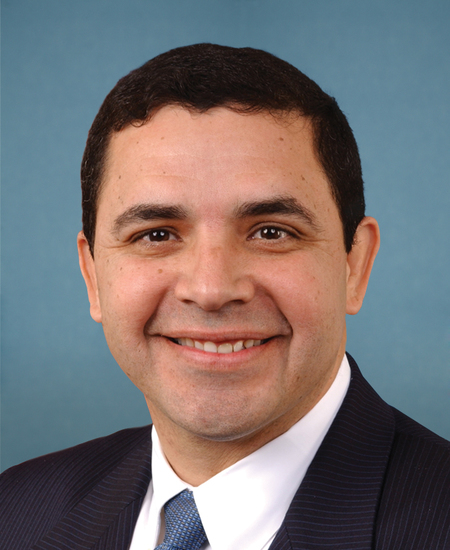
Rep. Henry Cuellar
Sponsored bills
Maddy summaryHR 4708, the H-2 Improvements to Relieve Employers Act, streamlines U.S. visa processes for agricultural (H-2A) and non-agricultural (H-2B) workers. It extends the validity of employer certifications and petitions for these visas from one year to three years, reducing administrative burdens. The bill also allows interview waivers for workers renewing status within four years of their previous visa expiration. Additionally, it requires the Department of Labor to publish seasonal employment data on its website at an employer's request, enhancing transparency for seasonal hiring. These changes directly affect U.S. employers seeking temporary foreign workers and the workers themselves.
Maddy summaryHR 4696, the Foreign Extortion Prevention Act, prohibits foreign officials from demanding bribes from U.S. companies while in the United States. It makes it illegal for foreign officials to seek or accept anything of value to influence official acts, omit duties, or confer improper advantages related to U.S. business. The law imposes penalties of up to $250,000, 15 years in prison, or both for violations. It also requires the Attorney General to submit annual reports detailing enforcement efforts, foreign bribery demands against U.S. entities, and resource needs for effective implementation. The bill directly affects U.S. businesses (issuers or domestic concerns) operating internationally and foreign officials who may attempt to extort them.
Maddy summaryHR 4721, the Main Street Tax Certainty Act, makes a permanent the 20% tax deduction for eligible small business owners under Section 199A of the tax code. This provision directly affects pass-through business owners (like S-corps, partnerships, and sole proprietorships) who qualify for the deduction. The bill achieves this by removing the temporary expiration language (subsection (i)) from the existing tax code provision. The key change is ending the need for annual congressional extensions of this deduction, providing long-term tax certainty for small businesses.
Maddy summaryHR 2768, the PFC Joseph P. Dwyer Peer Support Program Act, establishes a VA grant program to fund peer-to-peer mental health support for veterans. It provides up to $250,000 per grant to eligible nonprofits, veteran service organizations, or state/local Tribal agencies to create programs where veterans serve as peer specialists offering 24/7 nonclinical support. The program requires adherence to VA-developed standards for volunteer training and service delivery, while prohibiting the collection of veterans' personally identifying information. The bill authorizes $25 million over three years to implement this initiative, directly benefiting veterans seeking accessible mental health assistance through peer networks.
Maddy summaryThe Water Infrastructure Enhancement Act of 2023 establishes a federal grant program to fund critical upgrades for public water systems. It directly affects water suppliers in rural areas (population ≤20,000) and communities designated as "areas of persistent poverty" (e.g., counties with 20%+ poverty for 30 years or census tracts with ≥20% poverty). The program allocates $800 million annually from 2024-2029, requiring at least 50% of funds to support rural areas and 15% to historically disadvantaged communities or persistent poverty zones. Grants cover up to 90% of costs for eligible activities like replacing pipes, upgrading treatment facilities, or modernizing monitoring systems, with the Administrator determining additional eligible projects.
Maddy summaryHR 4610 amends federal tax law by changing a specific date in the Tax Reform Act of 1984 from October 9, 1969, to March 1, 1985. This adjustment aligns federal tax rules with the Texas Constitution, allowing the State of Texas to continue leveraging the Permanent University Fund (PUF) for public university funding without triggering federal tax penalties. The PUF, which supports Texas public universities, has historically benefited from a special tax rule enabling its financial investments, and this bill maintains that benefit. The change takes effect upon the bill's enactment.
Maddy summaryThe Veteran Service Recognition Act of 2023 requires the Department of Defense, Homeland Security, and Veterans Affairs to study noncitizen veterans removed from the U.S. between 1990 and 2023, documenting their service history and reasons for removal. It establishes a system to identify noncitizen veterans before removal proceedings and creates a Military Family Immigration Advisory Committee to review cases and recommend against removal for veterans. The bill also creates a program to facilitate citizenship for noncitizen service members and provides pathways for previously removed noncitizen veterans to adjust to lawful permanent residence. These provisions directly affect noncitizen veterans and their family members facing immigration proceedings, aiming to better recognize military service in immigration decisions.
Maddy summaryThe IDEA Full Funding Act (HR 4519) mandates specific annual increases in federal funding for special education programs under the Individuals with Disabilities Education Act (IDEA). It requires Congress to appropriate increasing amounts each fiscal year - from $5.87 billion for 2024 up to $55.53 billion for 2033 - to reach 40% of the national average per-pupil expenditure for public schools by 2033. This directly affects all public school districts serving students with disabilities, as federal IDEA funding supports their special education services. The bill sets fixed dollar amounts or percentage targets (whichever is greater) for each fiscal year, aiming to gradually close the long-standing gap between promised and actual federal funding. It does not alter eligibility for services but mandates higher, phased funding levels to meet the 40% target.
Maddy summaryHR 4335, the VA Loan Informed Disclosure Act of 2023, requires mortgage lenders to include specific information about VA home loan programs in standard mortgage disclosures. The bill amends the National Housing Act to mandate that lenders provide details on VA loans (guaranteed under Title 38) alongside other loan options, including assumptions about prevailing interest rates. This change directly affects lenders processing VA-guaranteed mortgages, ensuring borrowers receive clearer comparisons between VA loans and other financing. The law does not require lenders to verify borrower eligibility for VA loans, only to include the specified disclosure language.