

Maddy summaryThis resolution censures Representative Al Green (D-TX) for interrupting the President's State of the Union address on March 4, 2024, despite warnings from House staff and the Speaker. It requires Green to appear in the House chamber for the public reading of the censure resolution, as specified in the resolution's provisions. The resolution states his conduct breached decorum, degraded the joint session proceedings, and discredited the House. This is a procedural disciplinary action targeting Green's specific behavior during the 2024 State of the Union, not a policy change affecting broader groups.
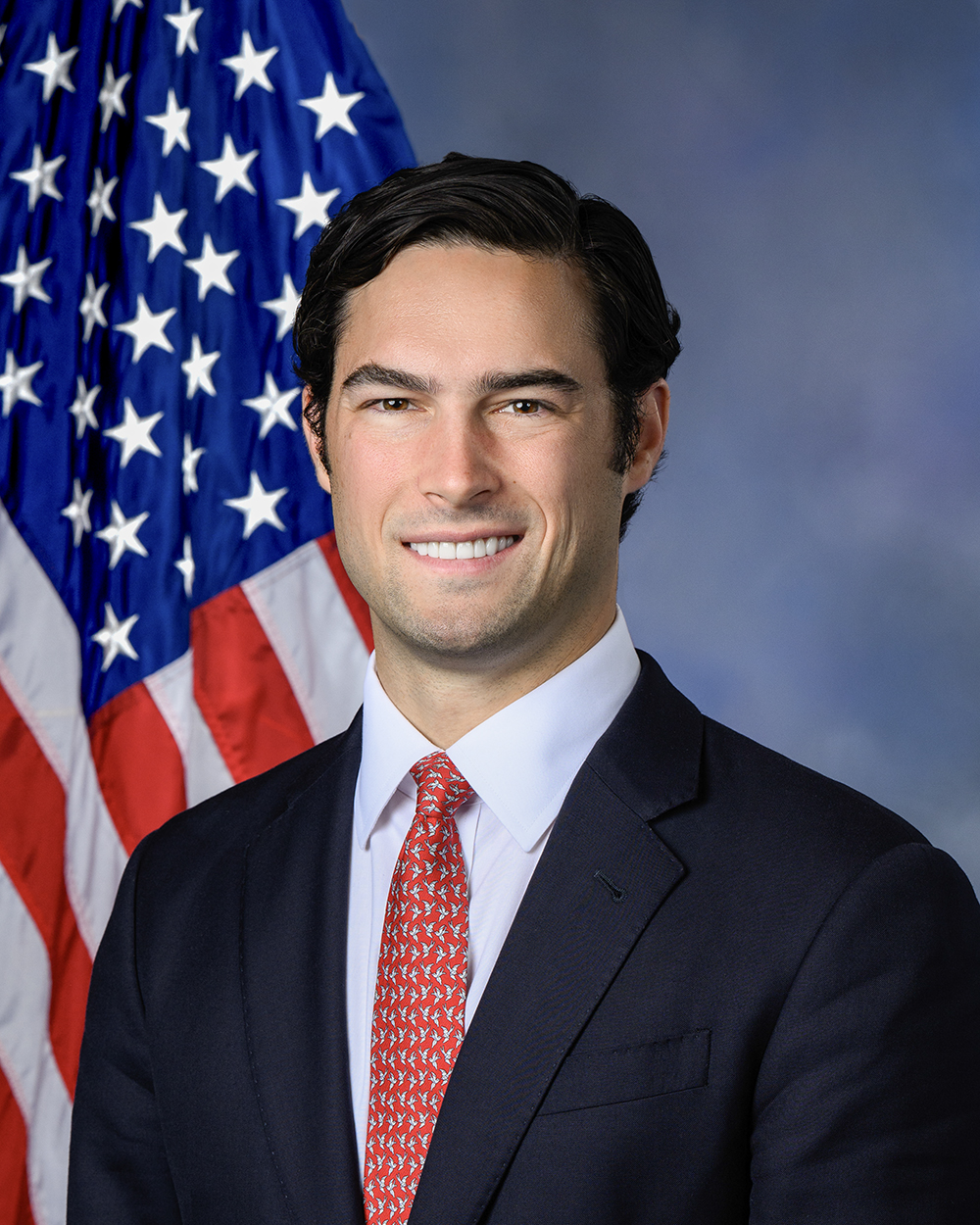
Rep. Brandon Gill
Sponsored bills
Maddy summaryThis resolution formally censures Representative Al Green (D-TX) for disrupting President Trump's address during a joint session of Congress on March 4, 2025. It requires him to appear in the House chamber for the public reading of the censure resolution, which states his actions violated decorum rules and brought disrepute to Congress. As a procedural resolution, it does not enact policy changes but serves as a formal reprimand for conduct during a congressional session.
Maddy summaryHR 1862, the English Language Unity Act of 2025, designates English as the official language of the U.S. federal government. It requires all official government functions - such as laws, regulations, and public proceedings - to be conducted in English, with key exceptions including language teaching, disability education, national security, public health, census activities, and victim rights. The bill also mandates that naturalization applicants demonstrate English reading comprehension of foundational U.S. documents like the Declaration of Independence and Constitution, with ceremonies conducted in English. These provisions apply to federal operations, not state governments or private sector policies, and explicitly preserve existing protections for Native American languages and the right to learn other languages.
Maddy summaryHR 1866, the GUARD Act, prevents federal funding under the Child Abuse Prevention and Treatment Act from being awarded to any state that discriminates against parents or guardians who oppose gender-affirming medical, social, or legal changes for minors. The bill requires states to avoid adverse actions against such parents if they believe a minor's gender identity claims conflict with their biological sex at birth, regardless of medical diagnoses. States violating this provision could face legal action by affected parents to halt funding and recover funds. The law directly affects parents opposing gender-affirming care for minors and alters federal grant enforcement for child welfare programs.
Maddy summaryHR 1879, the "No Tax Breaks for Sanctuary Cities Act," denies tax-exempt status for bonds issued by jurisdictions classified as "sanctuary jurisdictions." A sanctuary jurisdiction is defined as a city or state that either restricts sharing immigration status information with federal authorities or fails to comply with federal detainer requests under immigration law. The bill requires the Treasury Secretary to publish an annual list of such jurisdictions within 180 days of enactment. This policy directly affects local governments meeting the definition by removing a key funding tool - tax-exempt municipal bonds - used for public projects like schools or infrastructure. The law applies to bonds issued after enactment and does not alter existing sanctuary policies themselves.
Maddy summaryThis bill modifies tax reporting rules for gig economy platforms (like Uber or DoorDash) by reinstating a pre-American Rescue Plan threshold. It requires third-party payment platforms to report income to the IRS only if a gig worker earns over $20,000 in a year or completes more than 200 transactions. This directly affects low-earning gig workers who would no longer receive tax forms for smaller earnings. The change simplifies reporting for platforms and reduces administrative burden on workers with minimal income from these platforms.
Maddy summaryHR 1837, the Timely Departure Act, requires most nonimmigrant visa holders (such as students, temporary workers, and tourists) to pay a $5,000-$50,000 bond to ensure they depart the U.S. before their authorized stay ends. If they fail to leave by midnight on their expiration date, the bond is automatically forfeited (with no appeal), and the funds go to a detention/enforcement account. The bill also mandates that nonimmigrants seeking asylum must apply before their stay ends, or they lose eligibility to apply later. Forfeiture triggers a 4-12 year ban on obtaining any future immigration status or adjustment. Certain visa categories (like tourist visas under section 101(a)(15)(B)) and visa waiver program nationals are exempt from the bond requirement.
Maddy summaryHR 1772 designates English as the official language of the United States federal government, requiring all official government functions (like laws, regulations, and public proceedings) to be conducted in English. It directly affects federal agencies, naturalization processes (mandating English ceremonies and language standards for new citizens), and government communications. Key exceptions include language teaching, disability education, national security needs, census activities, and protections for Native American languages under existing law. The bill does not restrict the use of other languages in private settings or ban bilingual services for essential government functions. It amends U.S. Code to establish these requirements, with implementation set for 180 days after enactment.
Maddy summaryHR 1790, the Golden Age Act of 2025, requires the U.S. Treasury to print all new $100 bills after December 31, 2028, featuring a prominent portrait of Donald J. Trump on the front. The bill mandates that the Treasury release a preliminary design of this note by December 31, 2026. This procedural bill directly affects the U.S. Treasury's currency production process and changes the design requirements for the $100 bill.
Federal Firearms Licensee Protection Act of 2025 This bill modifies criminal penalties for an offense involving the theft of a firearm from a licensed importer, manufacturer, or dealer, or from their business premises. Specifically, the bill does the following: increases from 10 to 20 years the maximum prison term, and creates a 3- or 5-year mandatory minimum prison term for an offense that occurs during the commission of a burglary or robbery. An attempt to commit an offense is subject to the same penalties as a substantive offense.