

Maddy summaryThis bill helps new car dealers affected by pandemic-era supply chain disruptions by changing tax rules for inventory sales. It allows dealers using LIFO accounting to treat certain sales of unsold vehicles (liquidations) between March 2020 and December 2021 as "qualified" for tax purposes. Dealers can defer recognizing income from these sales and have until 2026 to replace the sold vehicles before potential tax adjustments apply. The provision specifically targets dealers who couldn't replenish inventory during the supply chain crisis.
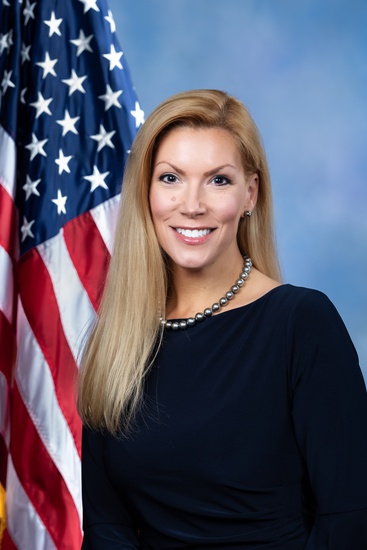
Rep. Beth Van Duyne
Sponsored bills
Maddy summaryHR 712, the State Border Security Reimbursement Act of 2023, requires the federal government to reimburse states that spent over $2.5 billion on border security costs between 2013 and 2023. It directly affects states like Texas, which reported spending more than $3.2 billion on border security during that period, as documented in the bill's findings. The bill mandates that eligible states submit detailed expense reports within 180 days of enactment, and the federal government must reimburse these costs within one year. This policy aims to address states' financial burden from covering what Congress deems a federal responsibility, without creating new funding streams.
Stop Human Trafficking in School Zones Act This bill establishes an enhanced penalty—an additional prison term of up to five years—for certain human trafficking offenses and sex offenses involving minors that occur within 1,000 feet of the real property comprising a school, school-sponsored activity, playground, or public housing facility; or within 100 feet of certain other places where children gather (e.g., a youth center or swimming pool). The additional prison term must be served consecutively with the prison term imposed for the underlying offense.
This resolution recognizes and appreciates the dedication and devotion demonstrated by the men and women of law enforcement. It also condemns calls to defund, disband, dismantle, or abolish the police.
This resolution expresses the sense of the House of Representatives that (1) the President should classify synthetic illicit fentanyl-related substances as weapons of mass destruction; and (2) illicit fentanyl, and illicit fentanyl-related substances, should be permanently placed in schedule I (i.e., as drugs, substances, or chemicals with no currently accepted medical use and a high potential for abuse).
Prohibiting Abortion Industry's Lucrative Loopholes Act This bill expands the prohibition on the sale or purchase of human fetal tissue in interstate commerce to include any payments associated with the transportation, implantation, processing, preservation, quality control, or storage of such tissue.
Maddy summaryThis bill would prohibit the FDA from approving new abortion medications or investigational uses of existing ones. It would restrict currently approved abortion drugs to in-person administration only in clinics, hospitals, or medical offices by certified providers who can handle complications like ectopic pregnancy or severe bleeding. The law requires detailed adverse event reporting (excluding patient identifiers) to the FDA by both manufacturers and prescribers, and mandates provider certification covering pregnancy assessment, surgical intervention capabilities, and patient safety documentation. These provisions apply directly to healthcare providers, patients seeking medication abortions, and manufacturers of abortion drugs.
Maddy summaryThis bill prohibits federal funding to Planned Parenthood Federation of America and its affiliates for one year unless they certify they won't perform or fund abortions (with exceptions for rape/incest or life-threatening conditions). It redirects $235 million in existing funding to community health centers for women's health services like contraception, cancer screenings, and prenatal care. The bill explicitly states that redirected funds will continue to support all women's health services previously provided by Planned Parenthood. It also requires repayment of funds if Planned Parenthood violates the certification, and clarifies that overall federal funding for women's health services remains unchanged.
Maddy summaryHR 564 redirects unspent funds from the American Rescue Plan Act of 2021 (ARP) to reduce the federal deficit. It requires all unobligated ARP funds - money allocated but not yet spent - to be sent to the Treasury's general fund upon the bill's enactment. This action directly affects federal budget accounting by canceling unused appropriations rather than creating new programs or aiding specific groups. The bill does not alter existing laws or services but focuses solely on reallocating existing, unspent federal funds. It is a procedural budget measure with no direct impact on taxpayers or beneficiaries of the ARP.
Maddy summaryThe Educational Choice for Children Act creates tax credits for individuals and corporations that contribute to scholarship granting organizations providing education scholarships. Individuals can claim a credit up to $5,000 or 10% of their income, while corporations can claim up to 5% of taxable income. The scholarships are available to students from households with income up to 300% of the area median income, and can be used for private school tuition, tutoring, and other educational expenses at elementary and secondary schools. The bill includes strict requirements for scholarship organizations to verify income, conduct audits, and prevent misuse of funds, while also prohibiting government control over these organizations and protecting private and religious schools from discrimination in the program. It establishes a $10 billion annual cap on the total tax credits available.