

Maddy summaryHR 7130, the FAIR Labels Act of 2024, requires clear labeling for plant-based and lab-grown products marketed as meat or poultry. It mandates that products not containing actual meat or poultry - such as plant-based "burgers" or "chicken" alternatives - must prominently display "imitation" or "cell-cultured" on labels, alongside disclaimers stating they do not contain meat or poultry. This applies to all such products sold in interstate commerce, with no exceptions allowed. The bill also specifically requires "cell-cultured" or "lab-grown" labeling for meat grown from animal cells outside a live animal, while clarifying that existing meat inspection rules still apply to conventional meat products.
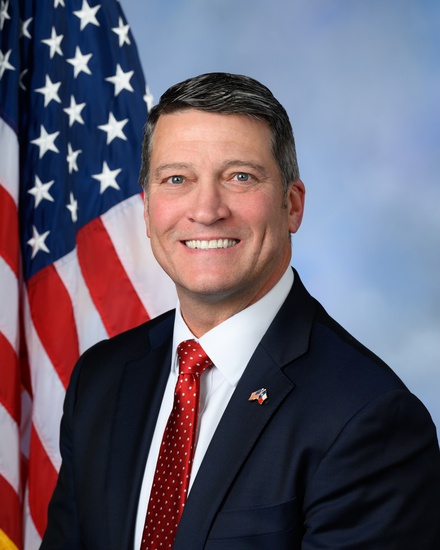
Rep. Ronny Jackson
Sponsored bills
Maddy summaryHR 9374, the Stand with Israel Act, prohibits U.S. federal funds from being used to support the United Nations or its entities if they restrict Israel's full participation as a member state. The bill specifically blocks funding for any UN body that expels, downgrades, or suspends Israel's membership or limits its ability to participate equally with other nations. This affects U.S. government contributions to the UN, requiring the Department of State and other agencies to halt funding for such UN actions. The key mechanism is a new provision in the UN Participation Act that mandates this funding restriction whenever Israel's UN participation is impaired.
Maddy summaryHR 8757, the REAL Meat Act of 2024, prohibits federal funding for cell-cultured meat production, research, promotion, or related facilities. It directly affects federal programs, agencies, and recipients of agricultural funding by banning the use of taxpayer money for any activity involving lab-produced meat. The bill defines cell-cultured meat as meat grown from animal cells in a lab and exempts NASA funding intended for space consumption. This policy change restricts federal support for the emerging cell-cultured meat industry while allowing specific space-related research.
Maddy summaryThis resolution aims to block a rule issued by the National Highway Traffic Safety Administration (NHTSA) that sets new fuel efficiency standards for passenger cars, light trucks (starting in 2027), and heavy-duty pickup trucks/vans (starting in 2030). If passed, it would prevent this specific rule from taking effect by disapproving it under a congressional review process. The rule directly affects vehicle manufacturers by requiring them to meet these updated fuel economy targets for future model years. This is a procedural resolution, not a new law, focused solely on halting the implementation of the existing NHTSA rule.
Freedom from Unfair Gun Taxes Act of 2024 This bill prohibits states or localities from imposing a levy or collecting an excise tax on the sale of a firearm, ammunition, or any part or component thereof, by a manufacture or retailer.
Maddy summaryHR 9208, the "Improving Military Recruitment at Senior Military Colleges Act," creates a system for applicants denied admission to Service Academies (like West Point or Annapolis) to be referred to senior military colleges. It requires the Secretary of Defense to establish this referral process within 180 days of the bill's enactment, sharing applicant information with designated senior military colleges. This directly affects individuals whose Service Academy applications are denied, providing them an alternative pathway to military education at institutions like the University of North Georgia or Texas A&M.
Maddy summaryThis bill provides tax relief for wildfire victims in Texas by treating certain compensation payments as tax-exempt under federal law. It specifically covers losses from five 2024 Texas wildfires (Smokehouse Creek, Windy Deuce, Grape Vine Creek, 687 Reamer, and Roughneck fires) for individuals receiving payments from government agencies or Xcel Energy. For livestock owners who sold animals due to fire, it modifies tax rules to allow deferring taxes on sale proceeds and extending the timeframe to replace the livestock. These provisions apply to payments received after February 26, 2024, and taxable years beginning after December 31, 2023.
Maddy summaryHR 9103 establishes the Air Force Technical Training Center of Excellence within the Department of the Air Force. This center directly affects Air Force technical training personnel and installations by creating a centralized hub to improve training quality. Key provisions include facilitating collaboration across training sites, publishing standards for excellence, advocating for better curriculum and facilities, fostering industry partnerships, and identifying best practices in aviation maintenance training. The bill aims to enhance the skills and readiness of Air Force maintainers through standardized, innovative training methods.
Maddy summaryThe SAVE Act (HR 8281) requires U.S. citizens to provide documentary proof of citizenship when registering to vote in federal elections. It defines acceptable proof as documents like passports, REAL ID-compliant IDs, military IDs, or birth certificates, and mandates that states verify citizenship using information from government agencies like DHS and Social Security. States must establish processes for voters without required documentation to provide an attestation under penalty of perjury. The law also requires states to remove noncitizens from voter rolls when verified evidence shows they're not citizens. This bill directly affects all applicants registering to vote in federal elections and state election officials who must implement these requirements.
Maddy summaryHJRES 164 is a congressional resolution seeking to block a rule issued by the Department of Commerce regarding firearms license requirements. It directly targets the rule published in the Federal Register (89 Fed. Reg. 34680), which would have revised licensing procedures for firearms dealers. If passed, the resolution would prevent this rule from taking effect by invoking the congressional disapproval process under federal law. The bill does not create new regulations but aims to halt an existing rule affecting gun license applicants and dealers.