

Maddy summaryHRES 50 is a symbolic resolution, not a bill with policy changes. It declares that states bordering Mexico have the constitutional right under Article I, Section 10 to defend against "paramilitary, narco-terrorist cartels" and criminal actors at the southern border. The resolution states that states like Texas, Arizona, New Mexico, and California were "invaded" or faced "imminent danger" from these groups from 2021-2024, and that the federal government failed to protect them. It makes no new laws or allocate funds - only asserts a constitutional interpretation for states to act unilaterally. (Note: This is a procedural resolution; no concrete policy change is enacted.)
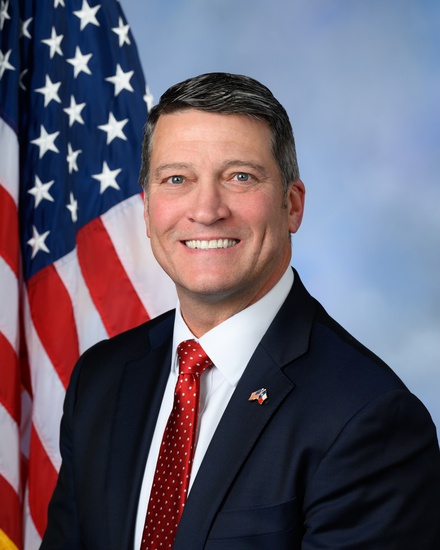
Rep. Ronny Jackson
Sponsored bills
This bill increases the annual limit on the tax credit for qualified railroad track maintenance expenses (also referred to as the short line railroad tax credit) and expands eligibility for claiming the credit. Under current law, the tax credit is limited each tax year to $3,500 multiplied by the sum of the number of miles of railroad track owned or leased by the taxpayer (miles owned or leased) and the number of railroad track miles assigned to the taxpayer by a Class II or III railroad (miles assigned). This bill increases the annual limit to $6,100 multiplied by the sum of miles owned or leased and miles assigned. The $6,100 amount used in the calculation of the tax credit limit is adjusted for inflation for tax years beginning after 2025. The bill also expands eligibility for the tax credit to include gross expenses for maintaining railroad tracks owned or leased as of January 1, 2024. Under current law, the tax credit is limited to gross expenses for maintaining railroad tracks owned or leased as of January 1, 2015.
Maddy summaryThis bill increases the tax rate on investment income earned by private colleges and universities from 1.4% to 21%. It directly affects private institutions with significant endowments, requiring them to pay a higher tax on their investment returns. The revenue generated must be deposited into the federal Treasury to reduce the national deficit and debt. The tax applies to taxable years beginning after the bill's enactment date.
Maddy summaryHR 404, the "Hearing Protection Act," reclassifies firearm silencers (devices that reduce gunfire noise) as firearms for federal tax and regulatory purposes. It imposes a 10% federal tax on silencers, requires the destruction of all existing federal silencer registration records within one year, and preempts state laws that tax or regulate silencers. The bill clarifies that silencers are treated as firearms under federal law, including for licensing and marking requirements, and defines "firearm silencer" to include specific components. Note: The bill’s title is misleading - it addresses firearm silencer regulation, not hearing protection for people.
Maddy summaryHCONRES 3 is a symbolic congressional resolution expressing support for the Geneva Consensus Declaration, an international agreement signed by 39 countries that affirms women’s health, family protection, and opposes international abortion rights. It urges the U.S. to rejoin the declaration, which emphasizes that no country has an obligation to fund or facilitate abortion and that families are foundational to society. The resolution does not create new laws but reaffirms existing U.S. policies prohibiting federal funding for abortions or coercive family planning abroad. It directly affects U.S. foreign policy direction but has no binding effect on government actions.
Maddy summaryHR 342, the Honor Inauguration Day Act, requires the U.S. flag to be flown at its highest peak on every presidential Inauguration Day, overriding any conflicting laws. This procedural bill directly affects all federal buildings and properties where the flag is displayed on that specific day. It mandates a ceremonial flag display to "commemorate and celebrate" the presidential election process, as stated in the congressional findings. The bill makes no substantive policy changes but establishes a specific flag protocol for Inauguration Day.
Maddy summaryHR 272, the Protecting Life and Taxpayers Act of 2025, prohibits federal funding (directly or indirectly) to any organization that performs or funds abortions, requiring certification from all recipients. This applies to entities receiving federal funds, including contractors and subsidiaries, with limited exceptions for pregnancies resulting from rape or incest, or when a physician certifies a life-threatening condition. The bill directly affects healthcare providers, clinics, and organizations that rely on federal grants or contracts. It changes existing funding rules by banning federal money from supporting abortion services, except in the specified medical or criminal exceptions.
Maddy summaryThis bill renames a U.S. Postal Service facility in Fritch, Texas, to the "Chief Zeb Smith Post Office." It designates the specific location at 107 North Hoyne Avenue as the official name for all federal references, including documents, maps, and records. The bill makes no policy changes - it solely updates the facility's name for administrative purposes.
Maddy summaryThis bill blocks federal funding for Planned Parenthood Federation of America and its clinics for one year unless they certify they won't perform abortions. Exceptions apply for pregnancies resulting from rape or incest, or when a woman's life is in danger due to a medical condition. The bill redirects the redirected funds to community health centers and other providers serving women's health needs, authorizing $235 million for this purpose. It explicitly states this will not reduce overall federal funding for women's health services. The policy change directly affects Planned Parenthood clinics receiving federal funds, requiring them to certify abortion restrictions or lose funding.
Maddy summaryThis proposed constitutional amendment would limit Members of Congress to serving a maximum of three terms in the House of Representatives or two terms in the Senate. It directly affects current and future members by preventing those who have already served the maximum terms from seeking re-election. Key provisions include counting vacancies filled for more than a year (House) or three years (Senate) as a full term toward the limit, while excluding terms served before ratification from the count. As a constitutional amendment proposal, it requires approval by three-fourths of state legislatures to become law.