

Maddy summaryHJRES 24 is a congressional disapproval resolution targeting a District of Columbia law. It formally rejects the D.C. Council's approval of the "Local Resident Voting Rights Amendment Act of 2022" (D.C. Act 24-640), which would have granted voting rights to D.C. residents in local elections. The resolution prevents this D.C. law from taking effect by disapproving the Council's action under the District of Columbia Home Rule Act. This is a procedural measure affecting D.C. residents' local voting rights, not a new federal policy.
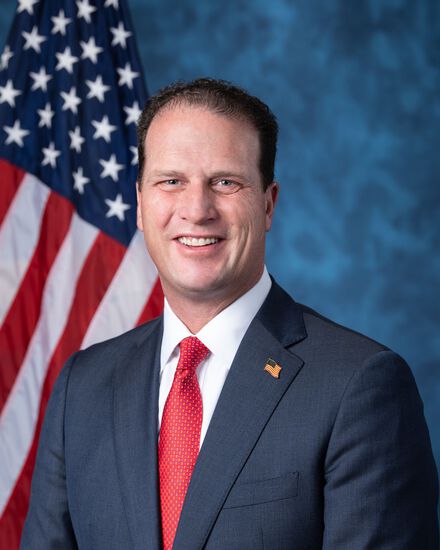
Rep. August Pfluger
Sponsored bills
Maddy summaryThe Workforce Mobility Act of 2023 bans most noncompete agreements in the U.S., directly affecting workers covered by such contracts (estimated at 1 in 5 workers). It prohibits employers from enforcing noncompete clauses that restrict workers from changing jobs, moving geographically, or working in similar roles after leaving a job. Key exceptions allow noncompetes for business sales (with geographic limits), partnership dissolutions, and senior executives with severance agreements (limited to one year). The bill preserves trade secret protections and mandates FTC/Labor Department enforcement, public awareness campaigns, and private lawsuits for violations.
Maddy summaryThis bill amends the Higher Education Act to require colleges and universities receiving federal funding to disclose gifts or contracts exceeding $5,000 from groups connected to China's government, Communist Party, or military. It mandates annual reports on joint activities with such groups and requires institutions to publicly post all agreements with them on their websites. The law defines "affiliated" organizations broadly to include state-owned enterprises, think tanks receiving significant Chinese funding, and entities with Chinese officials on their boards. Reports must be filed by January 31 or July 31 each year, detailing donor names, agreement terms, and supporting documentation.
Maddy summaryHR 191 requires the Department of Homeland Security to publish monthly reports on the number of known or suspected terrorists encountered while attempting to enter the United States. The reports must include total numbers broken down by geographic region and entry method (land, air, or sea), and be posted on a public DHS website by the 15th of each month. This bill directly affects DHS operations and provides the public with transparency about border encounters involving individuals in the Terrorist Screening Database. It is a procedural requirement focused on data disclosure, not policy change.
Maddy summaryHCONRES 13 is a concurrent resolution expressing Congress's support for maintaining the current policy that prohibits imposing new fees on local radio stations for playing music. It states that Congress should not impose any performance fee, tax, royalty, or charge on local radio stations for broadcasting sound recordings over the air, or on businesses like bars and restaurants that play music publicly. The resolution argues that such fees would harm local radio stations - critical sources for emergency information and community programming - and jeopardize the economic model that has supported both radio and the music industry for decades. This resolution does not create new law but formally opposes potential legislative changes to the existing fee structure.
Freight Rail Assistance and Investment to Launch Coronavirus-Era Activity and Recovery Act of 2023 or the Freight RAILCAR Act of 2023 This bill provides a new tax credit through 2025 for 10% of freight railcar fleet modernization expenses (i.e., railcar replacement and modernization expenses for meeting fuel efficiency and performance standards). The bill provides that no more than 2,000 freight railcars per taxpayer may be taken into account for purposes of determining the credit in a taxable year. The Department of the Treasury must report to Congress on the credit to provide information on the number of times the credit was claimed and the number of railcars scrapped or built as a result of the credit.
Protect American Trade Secrets Act of 2023 This bill explicitly grants extraterritorial jurisdiction over civil claims for conduct involving trade secret theft occurring outside the United States and impacting U.S. commerce, including conduct by an offender who is (1) not a U.S. person or lawful U.S. resident, or (2) a foreign organization.
Maddy summaryThis bill creates a new federal crime for assaulting law enforcement officers causing serious injury or death, with penalties up to 10 years in prison for serious injury and up to life for aggravated cases involving death, kidnapping, or attempted killing. It applies when offenses involve interstate travel, commerce, or target officers engaged in law enforcement duties. Federal prosecution requires Attorney General certification that state authorities cannot or will not handle the case, or that federal action is necessary for public safety. The law covers all law enforcement officers (state, local, and federal) who enforce criminal laws or detain individuals.
Repealing Illegal Freedom and Liberty Excises Act or the RIFLE Act This bill repeals the excise tax on the transfer of firearms. The bill shall not be construed as placing any regulated firearms under the jurisdiction of the U.S. Consumer Product Safety Commission.
Maddy summaryHR 712, the State Border Security Reimbursement Act of 2023, requires the federal government to reimburse states that spent over $2.5 billion on border security costs between 2013 and 2023. It directly affects states like Texas, which reported spending more than $3.2 billion on border security during that period, as documented in the bill's findings. The bill mandates that eligible states submit detailed expense reports within 180 days of enactment, and the federal government must reimburse these costs within one year. This policy aims to address states' financial burden from covering what Congress deems a federal responsibility, without creating new funding streams.