

This resolution expresses the sense of the House of Representatives that research and promotion boards support efforts to develop new markets and strengthen existing markets via research, education, and promotion.
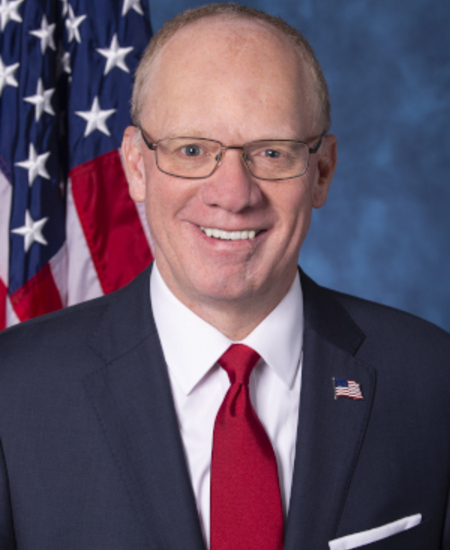
Rep. John W. Rose
Sponsored bills
Maddy summaryThis bill prohibits U.S. federal agencies from entering new contracts with companies that boycott Israel after January 1, 2024. Companies must certify they are not boycotting Israel at contract signing, and contracts must include this prohibition. It applies to federal contracts over $100,000 for services or IT with companies employing more than 10 people. If a company violates the boycott prohibition, the agency must terminate the contract after 30 days unless the company ends the boycott. The bill explicitly states it does not infringe on First Amendment rights or take sides on the Israeli-Palestinian conflict.
Maddy summaryHR 4417, the "Ending Agricultural Trade Suppression Act," prevents state and local governments from imposing additional production standards on agricultural products sold across state lines if those standards aren't already required by federal law or the state where the product is grown. It directly affects agricultural producers, distributors, and businesses operating in interstate commerce by allowing them to sue states in federal court to challenge such regulations. The bill creates a private right of action for affected parties to seek court invalidation of the regulations and damages for economic losses, with provisions for preliminary injunctions to halt enforcement during litigation. This aims to reduce regulatory barriers that could hinder the movement of agricultural goods between states.
Maddy summaryHJRES 44 is a congressional resolution seeking to block a 2021 rule by the Bureau of Alcohol, Tobacco, Firearms, and Explosives (ATF). The rule classified firearms with stabilizing braces as "short-barreled rifles," which would have required additional licensing and regulation. This resolution uses a specific legal process (under Title 5, U.S. Code) to formally disapprove the ATF rule, meaning the rule would no longer be in effect. It directly affects firearm owners, manufacturers, and dealers who would have been subject to the rule’s requirements.
Maddy summaryHJRES 45 is a congressional disapproval resolution targeting a specific Department of Education rule about federal student loans. It seeks to block the rule implementing "One-Time Federal Student Loan Debt Relief" (including modifications to Perkins, FFEL, and Direct Loan programs) by invoking the Congressional Review Act. If passed, this resolution would nullify the rule, preventing the Department of Education from using it to modify or waive student loan obligations. The bill directly affects borrowers who might have qualified for debt relief under the targeted rule.
Maddy summaryHR 277 would require Congress to approve major federal regulations before they take effect. Major rules are defined as those with significant economic impact ($100 million+ annually), major cost increases for consumers or industries, or significant adverse effects on competition, employment, or innovation. Agencies must submit detailed information about these rules to Congress, including cost-benefit analyses, before they can take effect. Congress would have 70 session days to approve the rule with a joint resolution; if they don't act within that timeframe, the rule would not take effect. This would increase congressional oversight of federal regulations and require more detailed information about proposed rules before they become law.
Protecting Consumers from Abusive Mortgage Leads Act This bill prohibits a credit reporting agency from providing a consumer's credit report to a third party in connection with a mortgage transaction unless (1) the third party provides documentation certifying that it has the consumer's consent, or (2) the third party has a current financial service relationship with the consumer.
Maddy summaryHR 3907 increases annual funding for U.S.-Israel development cooperation from $2 million to $4 million, extending support through 2026 instead of 2023. It requires USAID to report within 180 days on expanding projects to include multilateral partnerships with Arab countries, particularly in Africa, and assesses the need for additional resources. The bill directly affects USAID, Israel's MASHAV agency, and developing nations in Africa, Eastern Europe, and Latin America where joint projects focus on water, agriculture, education, and health. Key provisions adjust funding levels and mandate a formal review of expanding cooperative development efforts. The legislation aims to strengthen existing U.S.-Israel collaboration on global development initiatives.
This resolution requires the Clerk of the House of Representatives to place in the House Chamber a real-time display of the outstanding national debt.
Maddy summaryHR 3712, the Digital Dollar Pilot Prevention Act, prohibits the Federal Reserve from testing or implementing a digital dollar without new congressional approval. The bill amends the Federal Reserve Act to explicitly block the Fed and its banks from launching any pilot program for a central bank digital currency (a digital form of U.S. dollars issued directly by the Federal Reserve) or partnering with private entities for such testing. This directly affects the Federal Reserve System, preventing it from moving forward with any digital dollar initiatives until Congress passes a separate law authorizing them. The law aims to halt potential development of a Fed-issued digital currency until lawmakers address its implications through new legislation.