

Maddy summaryThe PARC Act requires national parks that charge entrance fees to accept cash payments as a standard option. This applies to all National Park System units where fees are collected, ensuring visitors can pay with physical currency. The bill amends federal law to mandate this change, directly affecting park visitors who rely on cash and park staff responsible for payment systems. It does not alter fee amounts or other park policies, only the accepted payment methods. The requirement is now enforced across all fee-charging park locations.
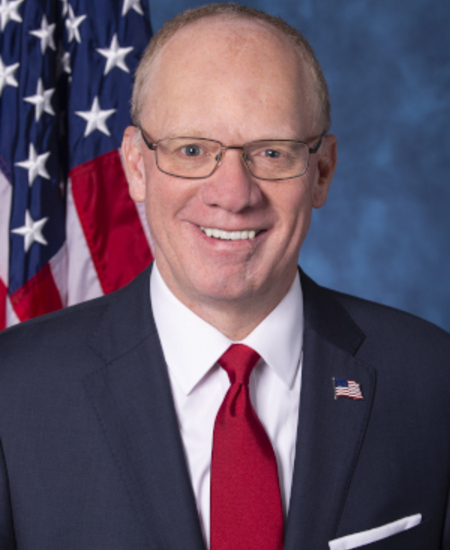
Rep. John W. Rose
Sponsored bills
Maddy summaryThe Laken Riley Act (HR 7511) would require federal authorities to detain non-citizens charged with or convicted of burglary, theft, larceny, or shoplifting offenses. It also creates new legal standing for state attorneys general to sue federal immigration officials in federal court if they believe immigration enforcement decisions (like releasing aliens or granting parole) cause financial harm exceeding $100 to the state or its residents. The bill amends immigration laws to expand detention requirements for certain property crimes and allows states to seek court orders to enforce immigration policies. It does not create new criminal penalties but modifies existing immigration enforcement procedures. The bill’s findings and political language about the Laken Riley case are not part of its policy provisions.
Maddy summaryThe Farm to Fly Act of 2023 amends USDA programs to include sustainable aviation fuel (SAF) as a qualifying product for financial assistance, directly affecting farmers, biorefineries, and agricultural producers. It defines SAF as liquid fuel meeting strict environmental standards - requiring at least a 50% reduction in lifecycle greenhouse gas emissions compared to jet fuel and excluding sources like palm oil or petroleum. The bill mandates the Secretary of Agriculture to lead a cross-agency initiative focused on advancing SAF development, leveraging agricultural resources, and fostering public-private partnerships to expand the domestic SAF market. This aims to support rural economic growth, strengthen U.S. energy security, and align with national clean energy goals in aviation.
Maddy summaryHR 7361, the Flowers for Fallen Heroes Act of 2024, requires the American Battle Monuments Commission to establish a low-cost program allowing the public to order flowers for military gravesites at Commission-managed cemeteries. The bill mandates the Commission to partner with third-party florists (without excess fees) and create a user-friendly website and phone system for ordering by one year after enactment. It also authorizes credit card and electronic payment processing for these orders, with customers responsible for any third-party processing fees, and requires annual reports to Congress detailing program implementation, including order data and florist engagement. This bill directly affects the public seeking to honor fallen service members and the Commission’s operations at 25 overseas military cemeteries.
Maddy summaryThe Assad Regime Anti-Normalization Act of 2023 amends the Caesar Syria Civilian Protection Act to expand sanctions against individuals and entities supporting the Assad regime in Syria. It targets those who provide financial or material support to the regime, divert humanitarian aid, seize property, or engage with Syria Arab Airlines or Cham Wings. The bill prohibits U.S. officials from recognizing or normalizing relations with the Assad regime and requires the administration to develop a strategy to counter other countries' engagement with Syria. It also mandates annual reports on diplomatic meetings with Syria, transactions involving Syria, and how the Assad regime manipulates UN operations in Syria.
Maddy summaryThe Uyghur Policy Act of 2023 establishes a U.S. Special Coordinator for Uyghur Issues within the State Department to coordinate policy and advocate for the protection of Uyghur cultural, religious, and linguistic identity in Xinjiang. It authorizes $250,000 annually for Uyghur human rights advocates to speak at public diplomacy events in Muslim-majority countries and mandates Uyghur language training for U.S. diplomats. The bill also directs the U.S. government to support United Nations monitoring of Xinjiang human rights issues and oppose efforts to block discussions of Xinjiang at the UN. These provisions focus on diplomatic advocacy and information-sharing, not direct sanctions or enforcement actions against China.
Maddy summaryHR 7450, the Protecting Privacy in Purchases Act, prohibits payment card networks and covered entities (like payment processors) from requiring or assigning merchant category codes that specifically identify firearms retailers as different from general stores or sporting goods retailers. This directly affects firearms retailers and payment networks by preventing them from using business classification codes that could flag firearm sales. The bill establishes an enforcement process where the Attorney General investigates complaints, issues remediation notices, and can seek court injunctions for non-compliance, while preempting state or local laws on this issue. It does not create private lawsuits for individuals.
This joint resolution nullifies the final rule issued by the Animal and Plant Health Inspection Service (APHIS) titled Importation of Fresh Beef From Paraguay and published on November 14, 2023. The final rule allows for the importation of fresh (chilled or frozen) beef from Paraguay into the United States under certain conditions. The United States prohibits or restricts the importation of certain animals and animal products to prevent the introduction of various animal diseases, including foot-and-mouth disease (FMD). In response to a request from Paraguay to allow the importation of fresh beef from Paraguay into the United States, APHIS conducted a risk analysis. APHIS concluded that fresh beef could be safely imported from Paraguay, provided that certain conditions are met. These conditions include that (1) FMD has not been diagnosed in the exporting region within the previous 12 months; (2) the meat originated from premises where FMD has not been present during the lifetime of any bovines slaughtered for U.S. meat export; and (3) APHIS may periodically conduct on-site evaluations and subsequent inspections of the slaughter facilities, records, and operations.
Maddy summaryHR 7366 requires U.S. Customs and Border Protection (CBP) to publish monthly border encounter data on its public portal by the 7th of each month. This affects CBP directly, as it mandates the timely release of data on encounters at the border during the previous month. The bill also includes a penalty: if CBP misses this deadline, funding for the Office of the Secretary of Homeland Security is reduced by 25% for the following month. The law focuses on ensuring transparency in border data reporting through specific deadlines and financial consequences.
Maddy summaryThis bill restricts how credit reporting companies share homebuyers' credit reports during mortgage applications. It prevents companies from sending these reports to third parties (like marketers) just because a lender requested them for a mortgage. Only specific entities can receive the reports: the mortgage lender who originated the loan, the company servicing the loan, or the bank holding the homebuyer's account. This directly protects homebuyers' privacy by limiting unauthorized sharing of their financial data.