

Maddy summaryHJRES 11 proposes a constitutional amendment that would limit Members of Congress to serving a maximum of three terms in the House of Representatives and two terms in the Senate. If passed and ratified, it would prevent any member who has already served the maximum terms from running for re-election, including time spent filling vacancies (for more than one year in the House or three years in the Senate). This amendment directly affects current and future members of Congress by changing eligibility rules for re-election. The proposal is currently a joint resolution in the House, requiring ratification by three-fourths of state legislatures to become part of the Constitution.
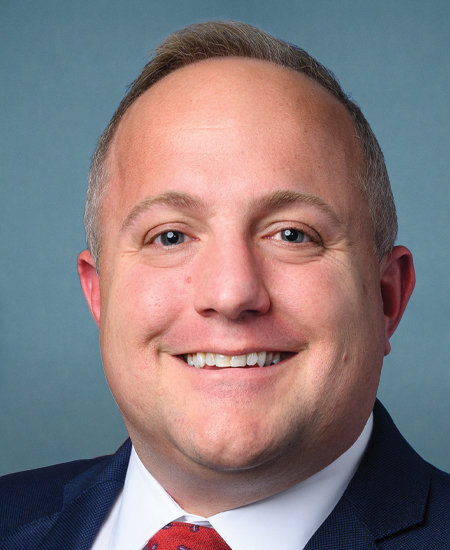
Rep. Russell Fry
Sponsored bills
Maddy summaryHRES 739 is a House resolution disapproving of a September 11, 2023, sanctions waiver that would release $6 billion in Iranian assets held in South Korea. The resolution states this waiver weakens U.S. policy by allowing Iran access to funds that could support its nuclear program and terrorism, and criticizes the delayed notification to Congress. It specifically condemns the administration's nonenforcement of mandatory sanctions and the release of assets without proper congressional review. The resolution demands the administration submit any Iran nuclear agreement to Congress before further sanctions relief. This is a procedural disapproval, not a law altering sanctions.
Maddy summaryHR 5641, the Pay Our Troops Act, ensures military personnel and their support staff continue receiving pay during fiscal year 2024 if Congress fails to pass regular budget appropriations. It appropriates existing Treasury funds to cover pay and allowances for active-duty troops, reserve components, and civilian employees or contractors supporting military operations. The bill automatically terminates on January 1, 2025, or earlier if Congress enacts a regular budget or continuing resolution. This provision directly affects service members, Department of Defense staff, and Coast Guard personnel (when not under the Navy) during budget implementation gaps.
Maddy summaryHRES 684 is a symbolic congressional resolution passed by the U.S. House of Representatives on September 14, 2023, condemning New Mexico Governor Michelle Lujan Grisham's emergency order that temporarily suspended open and concealed carry firearm rights for 30 days. The resolution asserts the order violated the Second Amendment, citing Supreme Court precedents (Heller, McDonald, Bruen) and noting a federal judge had already blocked the order's firearm restrictions. It does not change any laws or impose legal consequences - it is solely a formal expression of disapproval from Congress. The resolution directly addresses the Governor's actions but has no effect on New Mexico's laws or citizens' rights.
Maddy summaryHR 5044, the Timber Innovation for Building Rural Communities Act, creates a federal platform to track carbon emissions and storage from forests and wood products, using data from USDA programs. It establishes grant programs to fund wood-building projects in rural areas with high unemployment, support wood-based construction education at colleges, and pilot innovative wood infrastructure projects like mass timber buildings in rural communities. The bill prioritizes projects that boost local jobs, reduce wildfire risks, and demonstrate economic benefits from wood products, requiring matching funds from non-federal sources. These grants, totaling up to $10 million annually per program, aim to strengthen rural economies tied to forestry while promoting wood as a carbon-friendly building material.
Maddy summaryHR 5465, the Congressional Access to Bureaucratic Offices Act (CABO Act), requires federal agency heads to allow Members of Congress and their staff access to agency headquarters buildings during regular business hours. It mandates that access be granted upon presentation of valid congressional identification (for Members) or a staff badge while accompanied by the employing Member (for staff), with exceptions for areas requiring secret-level security clearance. The bill also ensures this access applies during declared emergencies (like national emergencies under the National Emergencies Act or public health emergencies), without imposing additional costs by using existing agency funds. This directly affects how federal agencies manage physical access for congressional personnel.
Maddy summaryHR 5455, the Collision Avoidance Systems Act of 2023, allows automakers to install pulsating light systems as rear-end collision avoidance technology on new vehicles. The bill requires the Secretary of Transportation to issue new regulations within 180 days updating Federal Safety Standard 108 to include performance-based rules for these systems. Specifically, it defines a "pulsating light system" as a high-mounted brake light that flashes rapidly (up to 4 times for no more than 1.2 seconds) before switching to steady light, with a 5-second lockout period after braking stops. This directly affects vehicle manufacturers who must comply with the updated safety standards for brake lights.
Maddy summaryThe Freedom to Breathe Act (HR 5368) prohibits the use of federal funds to enforce mask mandates for passengers traveling on air carriers, public transit, or in elementary, secondary, and higher education institutions from enactment until December 31, 2024. It bans federal agencies from requiring masks in these settings and prevents transportation providers or schools from denying service to individuals who refuse to wear masks. The law also overrides conflicting state or local rules during the applicable period. This applies specifically to settings receiving federal funding, such as public schools and federally supported transit systems.
Maddy summaryHR 5475, the Prohibiting Adversarial Patents Act of 2023, requires patent applicants to disclose if they or their invention received funding from state-affiliated research funds or talent programs of specific foreign adversaries (including China, Russia, Iran, North Korea, Cuba, and Venezuela under Maduro) within five years of filing. It also prohibits U.S. patents for individuals or entities identified on certain national security lists (like the OFAC CMIC List or Chinese military company designations) and makes existing patents from such entities unenforceable. The bill directly affects patent applicants with ties to these nations and patent holders later added to designated lists. Small businesses subject to existing disclosure rules under the Small Business Act are exempt from the new disclosure requirement.
Maddy summaryHR 3152, the "Fight CRIME Act," aims to maintain international restrictions on Iran's missile-related activities by requiring diplomatic efforts to extend these restrictions before they expire in October 2023. The bill mandates annual reports detailing U.S. diplomatic strategies, potential impacts of expiration, and measures to deter missile technology transfers to Iran. It establishes sanctions against foreign individuals or entities that knowingly support Iran's missile or drone programs, including asset freezes and visa restrictions. These sanctions apply regardless of whether UN restrictions remain in effect after their expiration, directly affecting foreign entities involved in these activities.