

Maddy summaryHRES 803 is a non-binding resolution urging the FDA to reassess the safety of all chemical abortion drugs based on recent independent studies. It specifically requests the FDA reevaluate safety data and publicly release a full safety review including real-world complications. The resolution does not change laws or create new requirements but asks the FDA to consider findings that claim complication rates are 22 times higher than current reports. This resolution directly addresses the FDA's regulatory oversight of these drugs, not other entities or policies.
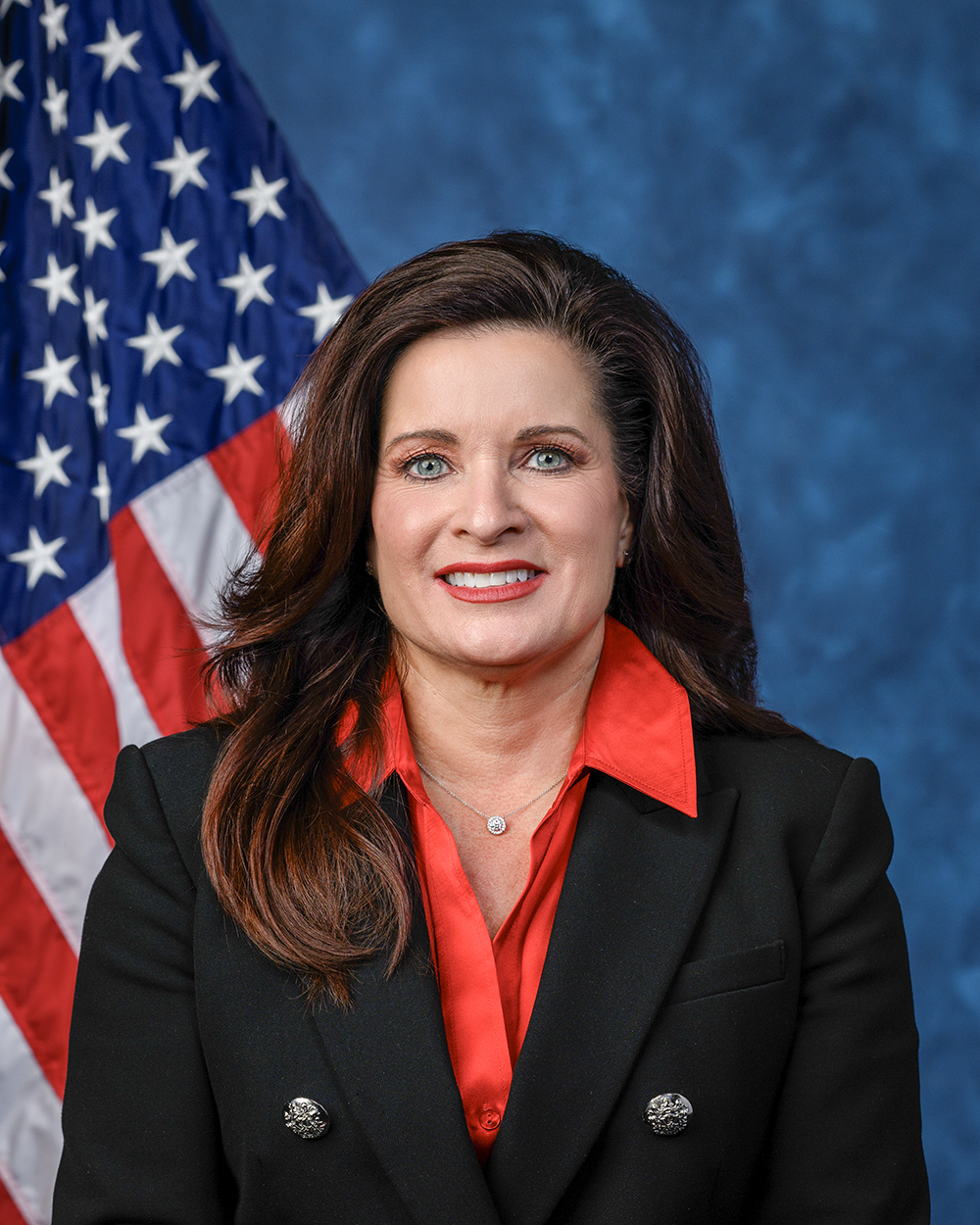
Rep. Sheri Biggs
Sponsored bills
Maddy summaryThis bill would deny visas and immigration benefits to individuals who adhere to Sharia law, directly affecting immigrants and visa applicants. It allows officials to revoke existing immigration benefits, deport people found adhering to Sharia, and penalize false statements about Sharia adherence. Decisions under this law would be final and unreviewable by courts. The policy changes immigration eligibility based solely on adherence to Sharia law, with no judicial oversight.
Maddy summaryThis bill would require all states to recognize valid concealed carry permits issued by other states, allowing permit holders to carry concealed handguns (excluding machine guns) in any state that either issues such permits or doesn't prohibit concealed carry. It directly affects law-abiding gun owners with valid permits from their home state, ensuring they can carry in states with similar permit systems or no prohibitions. Key provisions include treating valid permit documents as proof of legal carry (reducing officer stops), shifting the burden of proof to prosecutors if challenged, and allowing civil lawsuits for violations with attorney's fee awards. The bill does not override state laws restricting firearms on private property or government land, nor does it affect federal gun restrictions like those in section 922(q).
Maddy summaryH.J.Res. 128 proposes a constitutional amendment to withhold salaries from members of Congress during government shutdowns. A government shutdown is defined as a period when federal agencies lack funding due to Congress failing to pass an appropriations bill or continuing resolution. The amendment would require Congress to pass implementing legislation to enforce this pay suspension. This policy would directly affect all current House and Senate members by stopping their regular salaries during any shutdown period.
Maddy summaryThis bill withholds federal grant funding from states or local governments that implement specific policies. It prohibits funding for jurisdictions with laws that substantially limit cash bail for certain serious crimes (like violent offenses or public disorder) or allow felony convicts to be released without bail. It also blocks funding for cities classified as "urbanized areas" that reduced police budgets (unless due to a general budget shortfall). The policy directly affects local governments and states that adopt these specific approaches to criminal justice or law enforcement funding. The bill modifies two existing federal grant programs to enforce these eligibility rules.
Maddy summaryThis bill requires the FDA to reinstate the 2011 safety program for mifepristone (the drug sold as Mifeprex) and bans its importation into the U.S. It creates federal liability for harm caused by illegal importers of the drug, allowing lawsuits for bodily injury or mental health harm resulting from unauthorized importation. The law applies specifically to telehealth providers, pharmacies, or others who knowingly import mifepristone across state lines. It takes effect 90 days after enactment.
Maddy summaryHRES 760 is a symbolic House resolution supporting the designation of September 22-26, 2025, as "National Hazing Awareness Week." It does not create new laws or requirements but formally acknowledges the harm of hazing in college settings and encourages ongoing prevention efforts. The resolution references existing laws like the Stop Campus Hazing Act (2024) and highlights statistics on hazing prevalence and its deadly consequences, including listed cases of student deaths. It urges the public to observe the week by promoting hazing awareness and prevention. This resolution directly affects college communities and aims to foster safer campus environments through awareness, not policy change.
Maddy summaryH.J.Res. 127 proposes a constitutional amendment to establish parental rights regarding children's upbringing, education, and care as a fundamental right. It would guarantee parents the right to choose private, religious, or home schooling instead of public school, or make reasonable choices within public schools for their children. The amendment would require the government to demonstrate a "highest order" interest to limit these rights, and explicitly prohibits denying these rights based on disability. This proposal, if ratified by 38 states, would amend the U.S. Constitution but is not yet law.
Maddy summaryHRES 719 is a House resolution honoring Charles "Charlie" James Kirk, the founder of Turning Point USA who was assassinated on September 10, 2025. The resolution condemns his assassination and all political violence, extends condolences to his family, and calls on Americans to reject violence while promoting civil discourse. It specifically recognizes Kirk's legacy as a defender of constitutional principles and his role in inspiring youth through free speech and faith-based civic engagement. As a commemorative resolution, it does not enact policy changes but formally expresses the House's stance on honoring his life and legacy.
Maddy summaryThis bill prohibits U.S. courts from enforcing judgments based on Shari'a or any foreign law if they conflict with constitutional rights, particularly in family law cases like divorce, child custody, or inheritance. It requires courts to apply only U.S. law when foreign legal systems would violate fundamental rights such as due process, equal protection, or freedom from coercion. Contracts may still reference foreign law, but enforcement is blocked if it infringes constitutional protections. The law aims to ensure all court decisions comply with U.S. constitutional standards nationwide.