

Maddy summaryHR 9920 (the BE GONE Act) amends the Immigration and Nationality Act to expand the definition of "aggravated felonies" by adding "sexual assault and aggravated sexual violence" as a specific category. This change directly affects non-citizens convicted of these offenses, as it triggers mandatory deportation under existing immigration law. The bill does not create new penalties or enforcement procedures but alters the legal definition that determines deportation eligibility. It is a definitional amendment to existing immigration law, not a new enforcement measure.
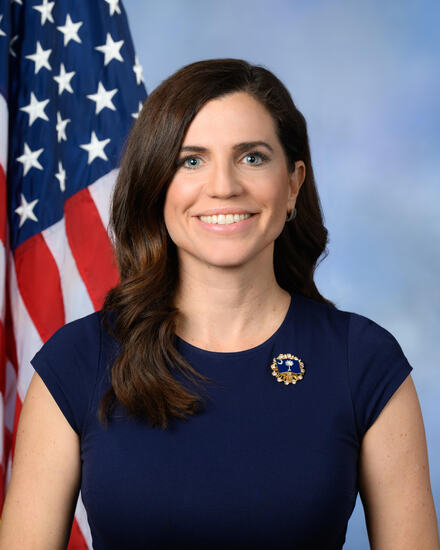
Rep. Nancy Mace
Sponsored bills
Maddy summaryThe School Freedom Act of 2024 terminates most federal K-12 education programs by June 2025 and creates a School Freedom Account program for eligible children. Each eligible child (defined as a child who can attend public school, has a Social Security number, and whose parent/guardian also has one) receives annual funds based on the average federal spending per student, which parents can use for private school tuition, homeschooling materials, tutoring, or to support their public school. Unused funds roll over until the child graduates or turns 30, then convert to a higher education fund for college or career training. The bill requires annual reports on fund usage and program implementation, with no restrictions on how parents spend the money.
Maddy summaryThis bill removes legal immunity for vaccine manufacturers by allowing individuals injured by vaccines to sue them directly in court after filing a claim with the federal vaccine injury compensation program (VICP). It eliminates time limits for filing VICP claims (previously 24-36 months) and explicitly excludes COVID-19 vaccines from the program's coverage. The changes affect people seeking compensation for vaccine injuries and vaccine manufacturers, who will no longer automatically avoid lawsuits. The bill also repeals provisions that previously restricted legal action after VICP claims.
Maddy summaryHR 8119, the PEARL Act, establishes a 3-year pilot program at U.S. Customs and Border Protection (CBP) to adopt therapy dogs from local animal shelters for emotional support of CBP personnel. The bill requires the Secretary of Homeland Security to create the program within 60 days of enactment, train shelter dogs as therapy dogs, and reimburse CBP for related costs. It also authorizes $1,000,000 for CBP's existing Support Canine Program. The bill directly affects CBP officers and staff by introducing a new emotional wellness resource through therapy dog interactions.
Maddy summaryThis bill amends the budget baseline calculation method under the Balanced Budget and Emergency Deficit Control Act. It adds a specific exclusion for emergency funding and supplemental appropriations when determining the baseline deficit figure. This change directly affects how federal budget deficits are measured and reported under current law. The key provision prevents emergency and supplemental funds from being counted toward the baseline, altering the calculation used for deficit targets. The bill makes a technical adjustment to budget scoring rules without creating new spending or policy requirements.
Maddy summaryThis bill amends VA regulations to require the Department of Veterans Affairs to cover both the purchase price and shipping costs for adaptive vehicles delivered to veterans. It directly affects veterans who receive VA-funded adaptive vehicles under Section 3902 of Title 38, U.S. Code. The key change updates the payment mechanism so veterans no longer bear the cost of shipping the vehicle to their location. This policy change simplifies the process by ensuring full delivery costs are covered in a single VA payment.
Maddy summaryHR 3433, the "Give Kids a Chance Act of 2024," requires pharmaceutical companies developing certain cancer drugs to conduct pediatric studies if the drugs target molecular pathways relevant to childhood cancers. It directly affects drug manufacturers submitting new applications for cancer treatments, particularly those combining previously approved adult cancer drugs or containing a single new active ingredient. The bill amends FDA regulations to mandate these pediatric investigations only when specific conditions are met, such as when a drug's molecular target is relevant to pediatric cancer growth. The FDA must issue implementing guidance within 12 months, and reports to Congress will track implementation and effectiveness starting 2 years after enactment.
Maddy summaryHRES 1489 is a symbolic House resolution designating the week of September 23-27, 2024, as "National Clean Energy Week." It expresses congressional support for recognizing clean energy's role in economic growth (citing 8.35 million jobs in the sector) and encourages voluntary actions like public awareness, investment in clean energy technologies, and supporting local clean energy jobs. The resolution does not create new laws, funding, or obligations - it only formally endorses the week-long observance to highlight clean energy’s economic and environmental benefits. It directly affects no specific group but aims to raise national awareness of the clean energy sector.
Maddy summaryThis bill restricts federal funding for jurisdictions that limit cooperation with federal immigration enforcement. It defines a "sanctuary jurisdiction" as any state or local government that prohibits sharing immigration status information or complying with federal detainer requests (except for crime victims/witnesses). Starting after enactment, such jurisdictions lose eligibility for federal funds intended to provide food, shelter, healthcare, legal services, or transportation to undocumented immigrants. The law directly affects cities and states with specific immigration policies, not the immigrants themselves.
Maddy summaryThis bill prohibits U.S. economic aid to foreign governments that restrict speech protected under the U.S. Constitution. Specifically, it blocks funding if a foreign government (or its officials/contractors) abridges or censors such speech, or pressures platforms (including social media and media organizations) to censor protected speech. The Secretary of State must publish determinations of violations in the Federal Register. It directly affects foreign governments meeting these criteria, not U.S. citizens or domestic policies. The law focuses on restricting U.S. aid based on specific speech-related actions by foreign entities.