

Maddy summaryHRES 1145 is a non-binding resolution recognizing April as "Community College Month" to celebrate over 1,000 U.S. community colleges. It highlights these institutions' role in providing affordable higher education, workforce training, and economic support - serving 10 million students annually and contributing significantly to national prosperity. The resolution cites their impact, including generating $898 billion in added income and returning $6.80 in tax revenue per public dollar invested. This symbolic gesture aims to acknowledge community colleges' nationwide contributions without creating new policies or funding.
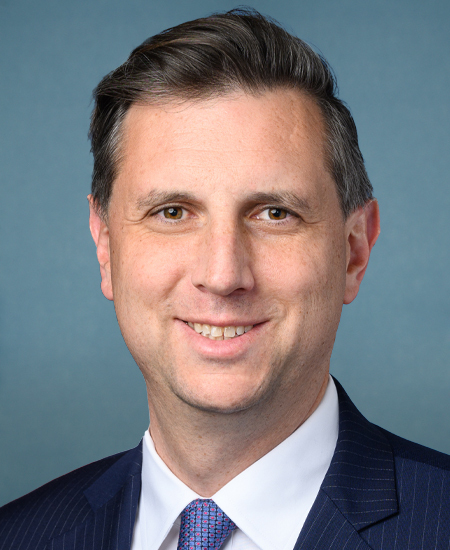
Rep. Seth Magaziner
Sponsored bills
Maddy summaryHR 8005, the Child Exploitation and Artificial Intelligence Expert Commission Act of 2024, establishes a 13-member commission to investigate how artificial intelligence is used in child exploitation crimes and recommend solutions to improve law enforcement's ability to prevent, detect, and prosecute such crimes. The commission, appointed by congressional leaders with expertise in law enforcement, AI, or child welfare, must submit a final report to Congress within two years detailing findings and recommendations for legal or technical improvements. This bill does not create new laws but focuses on identifying legal barriers and developing actionable solutions for law enforcement agencies. The commission will operate independently without federal government employees serving as members.
Maddy summaryHR 2560 establishes a federal grant program to fund sea turtle rescue and rehabilitation efforts. The program, administered by the Commerce Secretary, provides grants to organizations in designated coastal "stranding regions" for activities like rescuing stranded turtles, providing medical care, collecting research data, and covering related facility costs. Grants are capped at $150,000 per year per recipient, require a 50% non-federal cost match, and must be distributed equitably based on past stranding events and species conservation needs. The bill authorizes $5 million annually (2024-2029) for this program, directly supporting coastal rescue groups, research institutions, and conservation organizations working with stranded marine turtles.
Maddy summaryHR 7918, the CREATE Art Act, establishes a federal grant program to support emerging artists in the U.S. It directly affects artists earning under $50,000 net annually from their art in the past five years (and under $400,000 total over 20 years). The bill provides four grant types: small "progress grants" ($2,000) for activities like recording or marketing; larger "project grants" ($100,000) for specific artistic projects; "live performance grants" ($35,000) with limits on domestic touring; and "development funds" ($10,000) for living expenses during creative work. Key provisions require grants to fund U.S.-based goods/services, prohibit record labels from receiving funds (though artists signed to labels can apply directly), and mandate prevailing wages, safe working conditions, and anti-discrimination protections for performers.
Maddy summaryHR 7921, the Countering Antisemitism Act, establishes a National Coordinator to Counter Antisemitism within the Executive Office of the President and creates an Interagency Task Force to coordinate federal efforts against antisemitism across multiple agencies. The bill requires federal agencies to report on implementing the U.S. National Strategy to Counter Antisemitism, mandates annual threat assessments of antisemitic violent extremism from the FBI, DHS, and National Counterterrorism Center, and addresses antisemitic discrimination in higher education through a designated Office for Civil Rights Designee. It also includes provisions for a study on Holocaust education by the U.S. Holocaust Memorial Museum, a study on online antisemitism with recommendations for Congress, and amendments to the Nonprofit Security Grant Program to require public reporting on grant applications and awards.
Maddy summaryThis bill establishes a new Transnational Repression Office within Homeland Security Investigations to analyze and monitor threats where foreign governments or their agents target U.S. people through harassment, threats, coercion, or intimidation - such as stalking, surveillance, or efforts to silence dissent. The office must issue annual reports to Congress detailing incidents, perpetrators, and U.S. government responses, while sharing threat information with state and local law enforcement. It directly affects U.S. citizens and residents targeted by foreign actors engaging in transnational repression, including those facing threats to their First Amendment rights or physical safety. The office will operate for 10 years before sunset, with no new funding or personnel required beyond existing DHS resources.
Maddy summaryHR 7433, the Law Enforcement Support and Transnational Repression Hotline Act, creates a new hotline for U.S. citizens and residents who believe they are victims of transnational repression by foreign governments or their agents - such as threats, harassment, or coercion for exercising First Amendment rights. The Department of Homeland Security must establish this anonymous hotline and run a public service campaign in multiple languages (including Spanish, Arabic, Mandarin, and Russian) to educate the public about transnational repression and available resources. The bill also requires research into new technologies to help law enforcement combat such threats while protecting privacy and civil liberties. This legislation directly supports victims of foreign government intimidation and enhances federal coordination to address cross-border repression tactics.
Maddy summaryThis bill creates a new training program for state, local, Tribal, and territorial law enforcement to identify and respond to transnational repression - where foreign governments cross borders to intimidate or harm people for exercising free speech, religion, or assembly. The training covers identifying repression tactics, collecting relevant data, and teaching personal safety practices for targeted individuals and communities. It also requires community awareness briefings to help people recognize and protect against such threats, connecting them to victim support resources. The program is developed through the Department of Homeland Security's Federal Law Enforcement Training Centers and must prioritize privacy and civil liberties.
Maddy summaryHCONRES 102 is a non-binding symbolic resolution supporting International Transgender Day of Visibility, introduced by multiple House members. It formally encourages the U.S. to observe the day with ceremonies and programs, celebrates transgender community achievements, and recognizes their ongoing fight for equality amid documented discrimination in employment, healthcare, housing, and public spaces. The resolution highlights transgender representation in politics (including 21 state legislators) and historical context, while acknowledging rising anti-transgender legislation. It directly affirms the transgender community's visibility and rights without creating new policies or funding.
Maddy summaryThis bill, the BIKE Act of 2024, directs federal funding toward school-based bicycle safety education for elementary and secondary students. It amends existing law to require grant funds for on-bicycle education programs and mandates the Secretary of Transportation to revise safety guidelines within one year. The revised guidelines must specifically encourage skills training, roadway navigation, traffic rule awareness, safety precautions, and helmet use for students. These updated materials will be shared with state education agencies, and the Secretary must report to Congress within three years on implementation efforts and outcomes. The bill directly affects public school systems by integrating structured bike safety education into curricula.