

Maddy summaryThis bill requires that U.S. Representatives and Senators have their pay withheld for each day a government shutdown occurs during their pay period. If a shutdown happens, Congress's payroll office would withhold an amount equal to one day's salary for each full day of the shutdown, either reducing the current pay or holding funds in a special account until after the November 2026 election (for shutdowns before that date). The law applies to all federal agency shutdowns and specifies that withheld funds must be released to members on the 2026 election date to comply with constitutional pay protections. It takes effect for shutdowns occurring after the 2026 election.
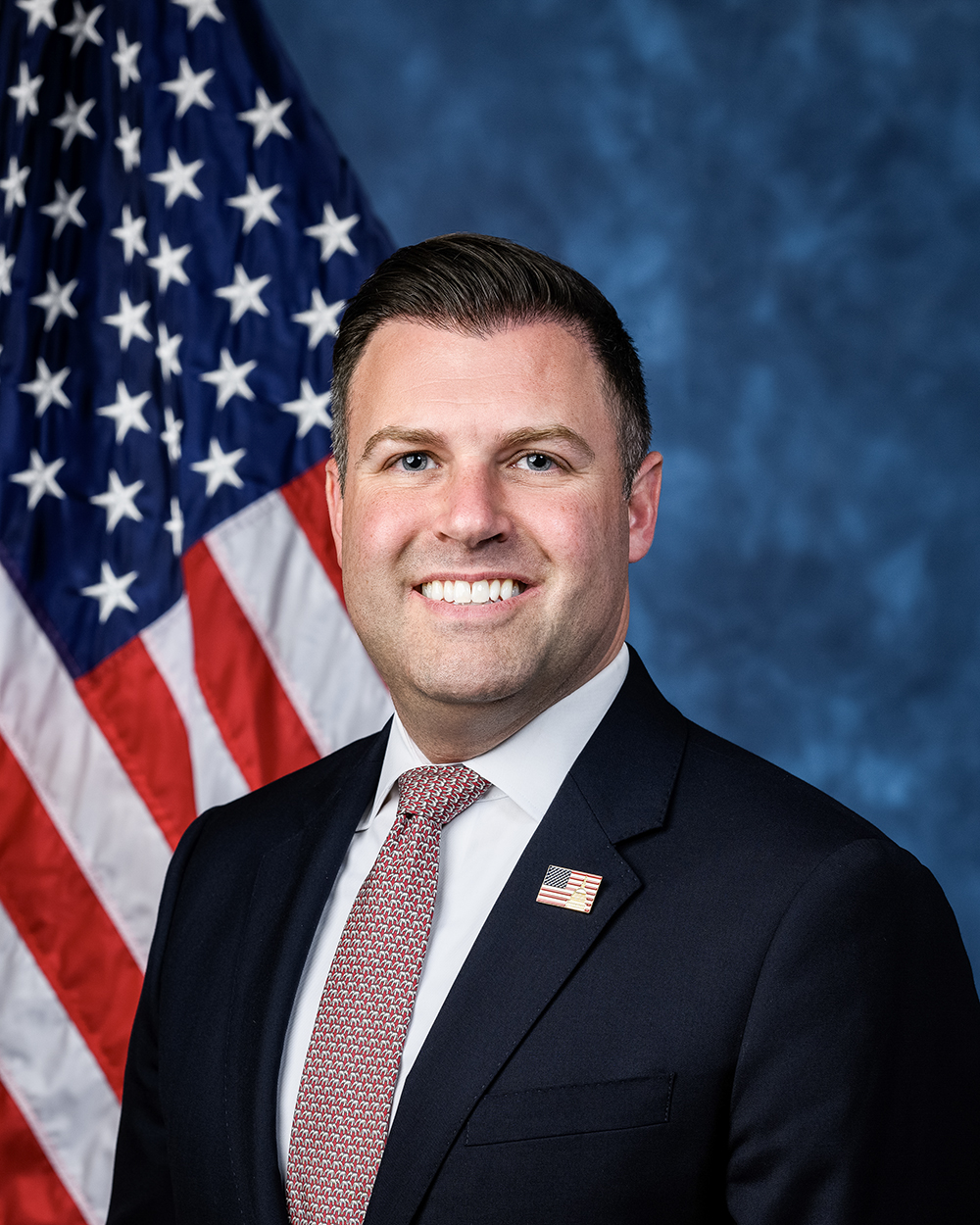
Rep. Ryan Mackenzie
Sponsored bills
Maddy summaryThis resolution honors the significant contributions of Irish Americans to the American War for Independence during the 250th anniversary of the United States. It recognizes that Irish-born soldiers and citizens of Irish descent made up a large portion of the Continental Army and included key figures like Commodore John Barry and Charles Carroll of Carrollton, who signed the Declaration of Independence. The measure formally acknowledges the role of Irish merchants and community leaders who provided financial and material support to the revolutionary cause. It encourages Americans to reflect on this heritage as part of the broader national commemoration without proposing any new laws or funding.
Maddy summaryThis resolution expresses support for designating the third week of March as National CACFP Week to raise awareness of the Child and Adult Care Food Program. The bill directly affects childcare centers, family daycare homes, emergency shelters, after-school programs, and adult daycare centers that provide meals to children and adults. It acknowledges the program's role in improving health outcomes and reducing costs for care providers while urging continued funding and administrative support for the initiative.
Maddy summaryThis bill establishes a dedicated Transportation Security Trust Fund to ensure money collected from airline passenger security fees is used exclusively for aviation security purposes. The fund would support the Transportation Security Administration by paying salaries and benefits for its personnel, funding passenger and baggage screening operations, and purchasing security technology and infrastructure. Additionally, the legislation guarantees that aviation security operations can continue without interruption during government funding lapses, prioritizing frontline staff compensation and operational expenses before using remaining funds for technology upgrades.
Enhanced Iran Sanctions Act of 2025 This bill imposes sanctions on certain foreign persons (individuals and entities) that are involved in Iran's petroleum sector as well as certain associated persons. The bill also requires or authorizes actions to facilitate the enforcement of sanctions on Iran. Specifically, the bill requires the President to impose visa- and property-blocking sanctions on any foreign person that, after the bill's enactment, knowingly engages in any transaction related to the processing, export, or sale of oil, condensates, gas, liquefied natural gas, or other petrochemical products in whole or in part from Iran. The President must also impose sanctions on certain foreign persons associated with a sanctioned individual or entity. For example, the President must sanction the subsidiaries and corporate officers of a sanctioned business. The bill provides certain exceptions to these sanctions, including specifying that sanctions do not apply to the importation of goods or to conducting or facilitating transactions for humanitarian assistance. The Department of State must establish an interagency working group that shall seek to establish a multilateral contact group to coordinate international efforts to enforce sanctions on Iran. The bill expands the State Department rewards program to authorize a reward payment to any individual who furnishes information leading to the identification of a person (1) subject to sanctions under this bill, or (2) that has attempted or is attempting to evade sanctions under this bill.
Maddy summaryHR 7932, the HONOR Gold Star Families Act, increases the death gratuity paid to families of service members who died in the line of duty. It raises the current $100,000 payment to $200,000 for deaths occurring on or after January 1, 2026. The bill also adds an annual cost-of-living adjustment to this amount, increasing it each January 1 based on the previous year’s inflation rate as measured by the Consumer Price Index. This directly affects Gold Star Families - those who have lost a service member in military service - by providing a larger initial payment and ensuring future payments keep pace with inflation.
Maddy summaryThe Neonatal Care Transparency Act of 2026 requires hospitals and obstetricians to publicly disclose their policies on providing life-saving care to premature infants, including specific details on gestational age limits and transfer procedures. This information must be made available to the public and shared with patients during their first prenatal visit to ensure families are aware of potential treatment limitations at their chosen facilities. To enforce compliance, the bill prohibits the federal government from providing Medicaid or CHIP funding to any hospital or obstetric provider that fails to meet these new disclosure standards. These measures aim to increase transparency in neonatal care decisions by mandating clear communication about medical capabilities before a baby is born.
Maddy summaryThis bill, known as the Fair Future Act, seeks to remove a specific provision from the Fair Housing Act that currently allows landlords to refuse to rent to individuals based on their source of income. The change directly affects housing providers and tenants by eliminating the legal basis for income source discrimination in rental decisions. The mechanism involves deleting paragraph (4) of Section 807(b) of the Fair Housing Act, which currently permits landlords to deny housing to applicants relying on government assistance or other specific income sources. If enacted, this would expand protections under existing fair housing laws to cover discrimination based on the source of a tenant's income.
Maddy summaryThe CAR SEAT Act requires the Transportation Secretary to launch a public education campaign within one year of enactment, focusing on the dangers of noncompliant or counterfeit car seats and boosters that don't meet federal safety standards (49 CFR §§ 571.213 and 571.213b). It authorizes $1.5 million for this campaign to help caregivers identify unsafe products. The bill also amends highway safety programs to include education about unsafe child restraints as part of public information efforts, specifically targeting underserved communities. This law directly affects parents and caregivers of young children who purchase or use car seats, aiming to improve awareness of safety risks through education, not new regulations.
Maddy summaryThe Military Family Diaper Partnership Act directs the Department of Defense to allocate $1 million annually (2027-2030) to the National Diaper Bank Network to establish a dedicated fund for distributing diapers and diapering supplies. The fund requires matching contributions from non-government sources equal to the federal amount, and only supports diaper banks that have served military communities within 20 miles of a base for at least five years. It provides diapers directly to military families in need and funds technical assistance, with the network required to submit annual reports to the Defense Secretary. The bill does not create new eligibility rules but channels existing resources through established community partners.