

Maddy summaryThe RISE Act (HR 3939) streamlines documentation for college students with disabilities by requiring institutions to accept multiple forms of proof, including past Individualized Education Programs (IEPs), Section 504 plans, or licensed professional evaluations, instead of demanding current documentation. It mandates that colleges establish transparent, accessible processes for determining accommodation eligibility and share these policies with students, parents, and faculty. The bill also requires institutions to report specific data on students with disabilities (like enrollment numbers and accommodations used) to federal databases, while authorizing $10 million for a national support center. These changes directly affect colleges receiving federal aid and students seeking disability accommodations in higher education.
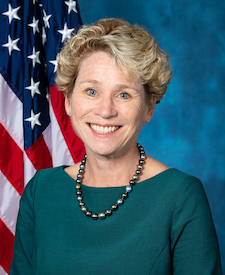
Rep. Chrissy Houlahan
Sponsored bills
Maddy summaryThis bill codifies existing protections for designated roadless areas within the National Forest System by prohibiting new road construction, road reconstruction, and logging in these areas. It directly affects National Forest lands already identified as "inventoried roadless areas" under the current Roadless Rule, which covers roughly 58 million acres. The key mechanism requires the Secretary of Agriculture to enforce these prohibitions, maintaining current protections without expanding restrictions to other lands or altering existing multiple-use management. The bill does not create new protected areas but legally solidifies the existing regulatory framework to preserve ecological and recreational values.
Maddy summaryThis bill requires private firearm transfers between individuals to go through a licensed dealer who must conduct a background check. It applies to most private sales but includes exceptions for transfers between family members (like parents and children), law enforcement, emergencies preventing harm, and temporary loans at shooting ranges or for hunting. Dealers must provide background check notices in both English and Spanish. The law aims to prevent prohibited individuals from obtaining firearms through private transactions while maintaining existing state authority on firearm laws.
Maddy summaryThe Runaway and Homeless Youth and Trafficking Prevention Act of 2025 amends federal law to provide funding for programs serving runaway, homeless, and at-risk youth, primarily aged 15-22 with some services extending to youth up to age 26. It establishes basic center grants for temporary shelter (up to 30 days) and transitional living programs that provide housing, counseling, and services tailored to youth's age, gender, and developmental needs. The bill requires programs to collect data on vulnerable populations including LGBTQ youth, youth of color, and those in the child welfare system, and mandates trauma-informed services for youth victims of trafficking. It authorizes $200 million annually for these programs, with specific funding allocations to support prevention services, street outreach, and coordination with education and child welfare systems.
Maddy summaryHR 3783, the Plant Biostimulant Act of 2025, defines "plant biostimulant" as substances or microorganisms that improve plant growth, nutrient use, and stress tolerance without relying on nutrient content. It amends the Federal Insecticide, Fungicide, and Rodenticide Act to create this new category, excluding products primarily intended as nutrients or plant regulators. The bill requires the EPA to update regulations within 120 days and directs the Secretary of Agriculture to conduct a two-year study on how biostimulants improve soil health, reduce runoff, and support climate benefits like carbon sequestration. This directly affects farmers using biostimulants, manufacturers of these products, and federal agencies regulating agricultural inputs.
Maddy summaryHR 3757, the Pride In Mental Health Act of 2025, provides $20 million annually (2026-2030) to fund grants for mental health services targeting LGBTQ+ youth, including nonbinary, intersex, and Two Spirit youth, and their families/caregivers. The bill mandates grantees to provide trauma-informed care, cultural competency training, school bullying prevention guidelines, and evidence-based practices while explicitly prohibiting the use of funds for conversion therapy or its promotion. It also requires the federal government to restore mental health reports on LGBTQ+ youth, conduct a national survey measuring mental health distress, and produce a report on mental health services for LGBTQ+ youth in foster care. The law directly affects these youth populations by expanding access to tailored mental health resources and data collection, with funding administered through the Substance Abuse and Mental Health Administration.
Maddy summaryThe BARK Act of 2025 protects donors, nonprofits, and local/government entities from liability when donating "apparently fit" pet food or supplies in good faith to help animals. It shields them from lawsuits related to minor issues like appearance, age, or packaging, as long as the items meet basic safety standards and aren’t defective. Donors must inform recipients about any flaws, and recipients must agree to recondition items to meet standards before distribution. This law does not cover cases of gross negligence or intentional harm, and it doesn’t override existing health regulations. The bill directly affects pet food donors, shelters, and animal welfare programs by reducing legal barriers to sharing surplus supplies.
Maddy summaryThis bill reorganizes collective bargaining rules for Veterans Health Administration (VHA) employees by removing existing subsections (b), (c), and (d) from Section 7422 of Title 38 and redesignating the current subsection (e) as (b). It directly affects VA health care employees by altering the structure of their collective bargaining framework. The bill explicitly states it does not change the Secretary of Veterans Affairs' existing authorities over incentive pay or expedited hiring under Section 706 of Title 38. The change is purely procedural, focusing on the internal organization of bargaining rules without introducing new employee benefits or obligations.
Maddy summaryThis bill prohibits the U.S. military from discriminating against service members or applicants based on gender identity. It bans policies that would deny service, involuntarily separate members, deny medically necessary healthcare, or require service in a gender different from one's identity. The law defines "gender identity" broadly to include a person's internal sense of gender, appearance, and mannerisms, regardless of sex assigned at birth. It directly affects transgender and gender-diverse individuals currently serving or seeking to serve in the Armed Forces.
Maddy summaryHR 3566, the ANCHOR for Military Families Act, requires the Department of Defense to provide military members and their families with comprehensive relocation assistance information at least 45 days before a permanent change of station. The bill mandates that this information cover educational resources for children (including school transitions, special education, and Individualized Education Programs), housing options, mental health support, spouse employment assistance, and legal/financial counseling. It directs the Secretary of Defense to integrate these details into accessible briefings, online resources, and materials at military installations. The law also requires annual reports to Congress on implementation progress and family awareness of available support programs. This bill directly affects active-duty service members and their families facing relocation due to military orders.