

Maddy summaryThe Preventing Illegal Weapons Trafficking Act of 2023 requires federal agencies to develop a strategy within 120 days to intercept machinegun conversion devices - parts designed to convert regular firearms into machineguns. The strategy must include better coordination between federal and local law enforcement, training for state and local police to identify these devices, and tracking their origins to identify trafficking patterns. It also amends tax law to allow forfeiture of proceeds from illegal machinegun trafficking and mandates that the Attorney General include specific data on machinegun conversion devices in the annual firearms trafficking report. This law directly affects federal agencies (like the ATF and DHS) and state/local law enforcement through new coordination, reporting, and data-collection requirements.
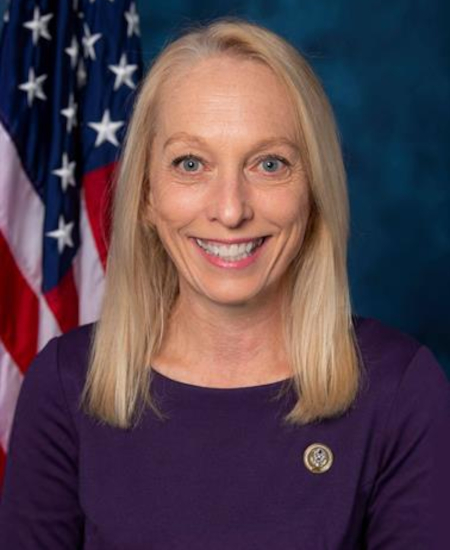
Rep. Mary Gay Scanlon
Sponsored bills
Maddy summaryThis bill establishes a new workplace violence prevention standard for healthcare and social service workers. It requires employers in covered facilities - including hospitals, nursing homes, mental health clinics, and social service settings - to develop and implement comprehensive prevention plans with specific requirements. These plans must include risk assessments, hazard prevention measures, employee training on violence prevention, and procedures for reporting and investigating violent incidents. The bill also amends Medicare regulations to require compliance with these standards for hospitals and skilled nursing facilities receiving Medicare funds.
Maddy summaryThis bill establishes minimum nurse-to-patient ratios for registered nurses in hospital units (such as 1:1 in trauma units, 2:1 in critical care units, and 3:1 in emergency rooms), requiring hospitals to develop and maintain staffing plans that meet these standards. It mandates transparency in documenting staffing levels, ensures hospitals verify nurses' competence for specific units, and enforces compliance through Medicare and Medicaid programs with penalties for violations. The bill protects nurses who refuse unsafe assignments due to staffing concerns and includes initiatives to improve nurse retention and address staffing shortages. It directly affects hospitals, nurses, and patients by aiming to improve patient safety and care quality through standardized staffing requirements. The bill applies to all hospitals, with extended implementation timelines for rural facilities.
Maddy summaryHR 2474, the "Strengthening Medicare for Patients and Providers Act," changes how Medicare pays physicians for services. It replaces the previous two-part payment system (used through 2025) with a single annual payment rate update starting in 2024. This update will be based on the Medicare Economic Index (MEI), which tracks costs for medical providers. The change directly affects Medicare-certified doctors and clinics who receive payments under the physician fee schedule.
Maddy summaryThis bill would require Medicare to cover FDA-approved blood tests that screen for multiple cancers simultaneously (like breast, lung, or colorectal cancer) for beneficiaries. It directly affects Medicare recipients aged 65+ who could access these new screenings once per year, without prior authorization. The key provision adds "multi-cancer early detection screening tests" to Medicare's covered services under Part B, defining them as blood tests analyzing cell-free DNA, while maintaining existing coverage for standard screenings like mammograms. The bill does not change current coverage for individual cancer screenings but ensures Medicare keeps pace with new medical technology.
Maddy summaryHR 1754, the Healthcare Ownership Transparency Act, requires Medicare-participating healthcare providers (called "covered firms") to disclose detailed financial and ownership information to the Centers for Medicare & Medicaid Services (CMS). Specifically, it mandates that firms owned by private equity funds submit 28 types of data - including debt structure, fees paid to private equity, political spending, vendor relationships, and leadership details - for each of the previous 10 years. Non-private equity-owned firms must also report core financial metrics like debt levels and political spending. The bill creates a new task force to study healthcare consolidation and private equity’s impact, and requires the GAO to analyze disclosed data to assess effects on costs, staffing, and quality. This aims to increase transparency around ownership structures influencing healthcare costs and operations.
Maddy summaryThis bill expands Medicare Part B coverage to include specific pharmacist services, directly affecting Medicare beneficiaries and pharmacists who provide these services. It adds new coverage for pharmacist evaluations and treatments related to certain illnesses (like COVID-19, flu, or strep throat) and public health emergencies, requiring payment at 80% of the lesser of actual charge or 85% of physician payment rates (100% during emergencies). The bill also prohibits balance billing for these services, ensuring beneficiaries pay only the standard Medicare copayment. These changes aim to improve access to pharmacist care during health crises while aligning payment with existing physician service frameworks.
Maddy summaryHR 1692, the Health Care Affordability Act of 2023, adjusts how health insurance subsidies are calculated for people buying coverage through the marketplace. It replaces the previous subsidy formula with a sliding scale based on income, where households earning up to 150% of the poverty line pay 0% of premiums, and those at 400% or more pay 8.5%. The change applies to all income tiers between these points, with percentages increasing incrementally (e.g., 2% for 150-200% income). This directly affects individuals purchasing health insurance through the marketplace who qualify for subsidies under the Affordable Care Act. The bill amends Section 36B of the Internal Revenue Code and takes effect for tax years beginning after December 31, 2022.
Maddy summaryThis bill increases Medicare reimbursement for clinical social workers from 75% to 85% of the payment rate for psychologists under Part B. It also removes an exclusion that previously prevented skilled nursing facilities from billing Medicare for social worker services provided to residents. The bill expands covered services to include specific mental health assessments and interventions identified by HCPCS codes (like 96156, 96158-96161, etc.) for Medicare beneficiaries. These changes take effect for services provided on or after January 1, 2024, directly affecting Medicare patients and clinical social workers.
Maddy summaryHR 1610 would modernize Medicare coverage for chiropractic care by removing the current restriction that limited beneficiaries to one chiropractic service per visit. It expands coverage to include all services provided by licensed chiropractors within their state-authorized scope, aligning Medicare with VA, military, and private insurance practices. The bill requires chiropractors to complete a Secretary-approved educational webinar to cover non-spinal services, while still allowing payment for spinal manipulation treatments without this requirement. This directly affects Medicare beneficiaries seeking chiropractic care and chiropractors seeking Medicare reimbursement for their services.