

Maddy summaryThe MORE Act (HR 5601) would federally decriminalize cannabis by removing it from the Schedule I list of controlled substances under the Controlled Substances Act. It requires federal courts to expunge non-violent cannabis convictions and associated arrests, with a focus on addressing racial disparities in cannabis enforcement. The bill creates an Opportunity Trust Fund that would allocate 50% of funds to criminal justice programs, 20% to small business assistance for minority cannabis entrepreneurs, and 20% to community reinvestment grants for individuals impacted by the War on Drugs. It also prohibits federal agencies from denying benefits or security clearances based on cannabis use or past cannabis convictions, and establishes a Cannabis Justice Office to administer these programs.
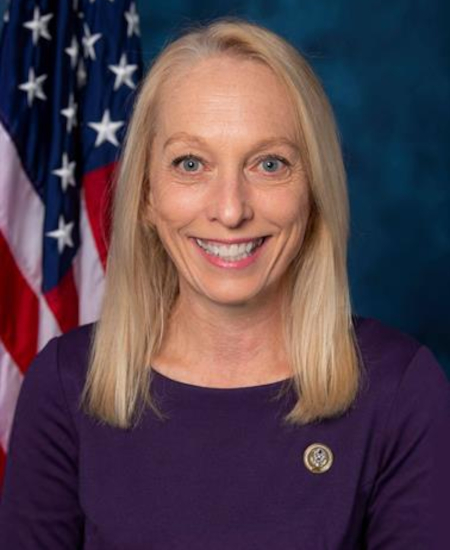
Rep. Mary Gay Scanlon
Sponsored bills
Maddy summaryThe CARE for Moms Act aims to reduce maternal mortality in the United States by improving healthcare access and quality for pregnant and postpartum women, with specific attention to racial disparities. Key provisions include requiring 12-month continuous Medicaid coverage for postpartum individuals (up from 60 days), expanding oral health coverage during pregnancy, and funding State-Based Perinatal Quality Collaboratives through $35 million annual grants. The bill specifically targets the higher maternal mortality rates faced by Black women, who are about 3 times more likely to die from pregnancy-related causes than White women. It also includes provisions for doula services, rural mobile health units, and improved data collection on maternal health outcomes.
Maddy summaryHR 5408, the SSI Savings Penalty Elimination Act, increases the resource limits for Supplemental Security Income (SSI) program eligibility. It raises the individual resource limit from $2,250 to $20,000 (and the couple limit from $1,500 to $10,000) for 2023, with future annual increases tied to inflation using the Consumer Price Index. This change directly affects low-income SSI recipients who currently lose benefits if their savings exceed the current thresholds. The key mechanism is raising these savings limits to reduce the "penalty" for saving modest amounts, while maintaining program integrity through automatic inflation adjustments.
Maddy summaryThis bill changes how Medicare counts hospital stays for coverage of skilled nursing care. It treats time spent in outpatient observation (not admitted as an inpatient) as part of the required 3-day inpatient hospital stay. This means beneficiaries who received outpatient observation services will have that time counted toward the 3-day requirement, potentially making them eligible for skilled nursing facility coverage they might otherwise have lost. The change applies to services beginning January 1, 2024, with limited retroactive appeal options for services completed before the law's enactment. It directly affects Medicare beneficiaries needing skilled nursing care after hospital treatment.
Maddy summaryThe WISE Act of 2023 aims to remove barriers for immigrant survivors of domestic violence, sexual assault, human trafficking, and other crimes who are eligible for protections under the Violence Against Women Act (VAWA) and Trafficking Victims Protection Act (TVPA). Key provisions include reforming U visa eligibility to include civil violations related to abuse, eliminating annual U visa caps, and automatically granting work authorization to applicants within 180 days of filing. The bill also prohibits detention of these survivors while their applications are pending and expands protections for battered spouses, children, and abused derivative aliens seeking immigration relief. This directly affects non-citizen victims of violence who are navigating complex immigration processes to remain safely in the United States.
Maddy summaryHR 5008, the HEAL for Immigrant Families Act of 2023, would remove immigration status as a barrier to health insurance coverage for immigrants in the United States. The bill would make all lawfully present immigrants, including those with Deferred Action for Childhood Arrivals (DACA) status, eligible for Medicaid, CHIP, and Affordable Care Act health insurance subsidies. It would eliminate state-level restrictions on Medicaid eligibility for immigrants and allow individuals with federally authorized presence to access premium tax credits and cost-sharing reductions. This legislation aims to address health coverage disparities that disproportionately affect immigrant communities, particularly Black, Indigenous, Latinx, and other communities of color.
Maddy summaryThis bill requires most health insurance plans (both employer-sponsored and individual plans) to cover a full year's supply of contraceptives in a single prescription, without any extra costs to the patient. It directly affects individuals enrolled in group health plans or individual health insurance coverage who need contraceptive services. The key provision allows enrollees to obtain up to 365 days of contraceptive supply at once (instead of monthly refills) at no additional cost, aligning with existing coverage requirements under the law. The rule takes effect for plan years starting January 1, 2024.
Maddy summaryThe Social Security 2100 Act would significantly enhance Social Security benefits for millions of Americans by increasing monthly payments for retirees, disabled workers, widows/widowers, and children. Key provisions include raising the minimum benefit for long-term low earners, improving cost-of-living adjustments using a more accurate index, eliminating the 5-month waiting period for disability benefits, and extending child benefits to age 26. The bill also changes how Social Security taxes are calculated by applying them to income above $400,000 and establishes a unified Social Security Trust Fund to manage program finances. Most provisions would apply to benefits payable from 2025 through 2034, affecting all current and future Social Security beneficiaries.
Maddy summaryThe PrEP Access and Coverage Act of 2023 requires private health insurance plans, Medicare, Medicaid, and other public health programs to cover pre-exposure prophylaxis (PrEP) for HIV prevention without cost-sharing, including the medication, related lab tests, and follow-up care. The bill also prohibits life, disability, and long-term care insurance companies from denying coverage or charging higher premiums to people taking PrEP. It establishes public education campaigns to increase awareness of PrEP and PEP (post-exposure prophylaxis) and creates funding for state and community programs to expand access to HIV prevention services, particularly for populations disproportionately affected by HIV including Black, Hispanic/Latinx, and transgender individuals. The legislation specifically addresses current disparities in PrEP access, as data shows only 11% of Black/African American and 21% of Hispanic/Latinx individuals eligible for PrEP received prescriptions in 2022 compared to 82% of White individuals. Coverage requirements for most plans will take effect on January 1, 2025.
Maddy summaryThe Comprehensive Cancer Survivorship Act (HR 4363) establishes new Medicare and Medicaid coverage for cancer care planning and coordination services, requiring personalized survivorship care plans for cancer survivors from diagnosis through the end of life. The bill creates a demonstration program to test different models of survivorship care, including navigation services to help survivors transition from cancer treatment to ongoing care, and mandates Medicaid coverage for cancer fertility services. It also establishes a comprehensive cancer survivorship program with resource centers for survivors and health care providers, and includes provisions to help cancer survivors overcome employment barriers and improve their quality of life through physical activity and mental health support. The legislation specifically addresses disparities in care for racial/ethnic minorities, lower socioeconomic groups, and rural populations who face unique challenges as cancer survivors.