

Maddy summaryHR 3310, the Venezuela TPS Act of 2025, designates Venezuela for Temporary Protected Status (TPS), allowing Venezuelan nationals already in the U.S. to remain legally for 18 months. It directly affects Venezuelans who have continuously resided in the U.S. since the bill's enactment, require registration with Homeland Security, and meet admissibility criteria. Key provisions include a $360 application fee (with waiver options), requirements for continuous presence since enactment, and rules for emergency travel abroad with prior approval. The bill creates a temporary legal status to protect Venezuelans from deportation due to ongoing instability in their home country.
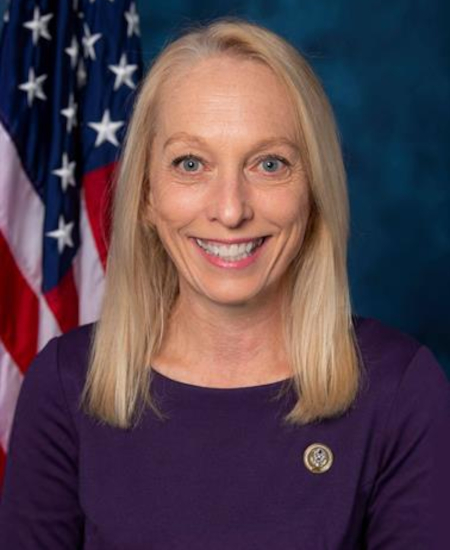
Rep. Mary Gay Scanlon
Sponsored bills
Maddy summaryThe Child Care Infrastructure Act (HR 3274) allocates $10 billion to improve safety and infrastructure at child care facilities, primarily benefiting providers serving low-income families, infants/toddlers, rural communities, and nontraditional-hour programs. It requires states to conduct needs assessments (including pandemic impacts on capacity and costs) and use grants for facility renovations, construction, or safety upgrades, with a 10% state match requirement. Intermediary organizations, such as community development groups, can also receive grants to provide technical assistance and financing for child care facilities. The bill mandates prevailing wage standards for construction work and requires annual reports on how improvements affect access, quality, and pandemic-related challenges, with final outcomes due by 2030.
Maddy summaryThis bill prohibits corporal punishment in schools receiving federal funding, defining it as any physical force causing pain for discipline. It requires schools to notify parents within 24 hours of any corporal punishment incident and mandates states to submit school climate reports detailing efforts to reduce exclusionary discipline practices like suspensions and expulsions. The bill establishes a grant program to help schools implement positive behavioral interventions, such as restorative justice and trauma-informed care, while requiring staff training on these approaches. The bill applies to public schools and other schools receiving federal funds but does not affect private schools or home schools that don't receive federal funding.
Maddy summaryHR 3243, the Therapeutic Fraud Prevention Act of 2025, bans the provision of paid conversion therapy aimed at changing a person's sexual orientation or gender identity, and prohibits advertising such therapy as effective, safe, or without risk. It directly affects LGBTQ+ individuals and their families who might be targeted by these practices, as professionals have determined conversion therapy is ineffective and harmful. The law treats violations as deceptive acts under consumer protection laws, empowering the Federal Trade Commission and state attorneys general to enforce it through civil actions. It explicitly excludes legitimate gender transition support and non-discriminatory counseling from the ban.
Maddy summaryHR 3246, "Violet’s Law," amends the Animal Welfare Act to require federal research facilities to create plans for placing eligible animals (dogs, cats, nonhuman primates, guinea pigs, hamsters, or rabbits) no longer needed for research. It directs federal departments and agencies operating such facilities to develop standards within one year of enactment to facilitate adoption or placement with qualified organizations like animal rescue groups, sanctuaries, or shelters. Animals must be certified by a licensed veterinarian as free of infectious disease or physical issues endangering health before release. This applies directly to all U.S. federal agencies conducting animal research, mandating concrete steps to transition animals out of research settings into permanent care.
Maddy summaryHouse Resolution 388 designates the first week of April as "Adolescent Immunization Action Week" to promote vaccination for teens and young adults. The resolution calls on communities, health providers, and organizations to support immunization efforts, particularly addressing vaccine misinformation and low uptake in rural and underserved areas. It does not create new laws or funding but encourages collaborative action to improve vaccination rates for adolescents.
Maddy summaryHRES 386 is a non-binding House resolution condemning President Donald J. Trump's specific actions targeting press freedom, including accusing media outlets without evidence, excluding the Associated Press from White House access, suing CBS News, and seeking to defund public broadcasters like NPR and PBS. It reaffirms the critical role of a free press in democracy and urges the executive branch to respect journalists' rights, while calling for the release of 11 U.S. Agency for Global Media (USAGM) journalists imprisoned abroad. The resolution directly affects journalists, media organizations, and the executive branch by formally criticizing actions that threaten press independence. It does not create new laws but serves as a formal congressional statement of support for press freedom.
Maddy summaryHRES 390 is a resolution recognizing May as National Foster Care Month. It raises awareness about challenges faced by children in foster care, such as instability, educational disruptions, and the 20,000 youth aging out annually without permanent connections. The resolution encourages Congress to implement policies improving outcomes for these children, including supporting prevention services, kinship caregivers, and transitions to adulthood. It does not create new laws or funding but formally acknowledges systemic issues and urges legislative action. The resolution is purely symbolic, aiming to highlight existing challenges and promote continued policy efforts under existing frameworks like the Family First Prevention Services Act.
Maddy summaryHR 3184, the PFAS Alternatives Act, funds research to develop turnout gear (firefighter safety clothing) without harmful PFAS chemicals, directly affecting firefighters who wear this gear. It authorizes $25 million annually (2025-2029) for grants to eligible organizations to research and test PFAS-free gear, requiring partnerships with firefighting groups to translate findings into practice. The bill also allocates $2 million yearly (2027-2031) for training programs on safe gear use and decontamination. Its goal is to reduce firefighters' exposure to chemicals linked to occupational illnesses during operations.
Maddy summaryThis bill requires U.S. Customs and Border Protection (CBP), U.S. Immigration and Customs Enforcement (ICE), and other deputized immigration officers to visibly identify themselves during enforcement actions. Specifically, it mandates that officers display a 12-inch by 6-inch agency identifier on their uniform front or back, ensuring it remains unobscured by armor or accessories. The requirement applies during all "time of action" activities, such as patrols, raids, arrests, or warrant service. The bill directly affects immigration enforcement personnel by standardizing their visible identification during interactions with the public.