

Maddy summaryThe Reimagining Inclusive Arts Education Act establishes a federal grant program to improve arts education access for students with disabilities in K-12 schools. It provides competitive grants to eligible schools, school districts, or partnerships with colleges/nonprofits to develop inclusive curricula, adapt classroom materials, and integrate creative arts therapies (like art or music therapy) into arts education. Grants, capped at 3 years with potential renewal, prioritize schools serving students with disabilities and those receiving Title I funding, while requiring geographic and socioeconomic diversity in grant distribution. The program is funded with $15 million over five years (2026-2030) to support professional development for educators and therapeutic approaches that enhance inclusion.
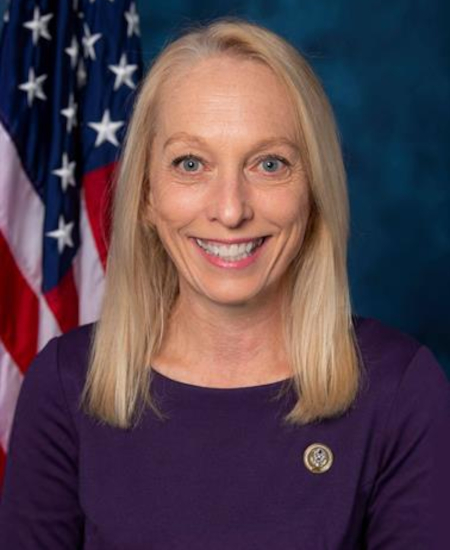
Rep. Mary Gay Scanlon
Sponsored bills
Maddy summaryHR 3815, the True Justice Act of 2025, establishes a federal grant program to fund public defense services for individuals arrested in criminal cases. The bill authorizes the Attorney General to provide grants to states, local governments, and tribal organizations to cover legal representation at all post-arrest proceedings (including initial appearances) and to fund training for public defenders and court-appointed attorneys. It allocates $50 million annually from 2026-2030 for these grants, with funding amounts based on the size of the justice system and technology/training needs. The bill directly affects people facing criminal charges who require counsel and the public defender systems serving them.
Maddy summaryThe Elder Pride Protection Act of 2025 establishes a federal task force (the ELDER Task Force) within the Department of Justice to address elder abuse targeting LGBTQI+ individuals. The task force, created within 90 days of the bill’s passage, will study the rise in such abuse, develop national best practices for law enforcement, and create educational materials for prevention and response. It will coordinate efforts across local, state, and federal agencies and submit a report to Congress within one year. The bill directly affects older LGBTQI+ adults (aged 60+) facing abuse, which includes physical, sexual, emotional, or financial harm, but does not create new funding or penalties.
Farmers Feeding America Act of 2025 This bill reauthorizes The Emergency Food Assistance Program (TEFAP), increases funding for the program, and provides additional delivery options for geographically isolated states (i.e., Hawaii, Alaska, Puerto Rico, the Northern Mariana Islands, the U.S. Virgin Islands, and Guam). TEFAP is a federal program that helps supplement the diets of people with low income by providing them with emergency food assistance at no cost. Through TEFAP, the Department of Agriculture (USDA) purchases a variety of commodities and makes those food products (e.g., canned, frozen, dried, and fresh fruits and vegetables, eggs, meat, dairy, and whole-grain and enriched grain products) available to state distributing agencies. The bill increases funding for purchasing commodities under the program. Further, the bill directs USDA to coordinate with geographically isolated states to (1) establish alternative delivery options for allocated commodities, and (2) allow for the states to order commodities through the USDA Department of Defense Fresh Fruit and Vegetable Program. USDA may also provide geographically isolated states the ability to directly purchase domestically grown food in lieu of receiving a portion of the commodities. Under this option, USDA may distribute as cash to the state up to 20% of the cash value of the commodities that are allocated to the state under TEFAP. Further, USDA may consider additional factors beyond lowest price in determining winning bids for contracts for fresh produce packages (including product variety and transportation distance).
Maddy summaryHR 3757, the Pride In Mental Health Act of 2025, provides $20 million annually (2026-2030) to fund grants for mental health services targeting LGBTQ+ youth, including nonbinary, intersex, and Two Spirit youth, and their families/caregivers. The bill mandates grantees to provide trauma-informed care, cultural competency training, school bullying prevention guidelines, and evidence-based practices while explicitly prohibiting the use of funds for conversion therapy or its promotion. It also requires the federal government to restore mental health reports on LGBTQ+ youth, conduct a national survey measuring mental health distress, and produce a report on mental health services for LGBTQ+ youth in foster care. The law directly affects these youth populations by expanding access to tailored mental health resources and data collection, with funding administered through the Substance Abuse and Mental Health Administration.
Maddy summaryThe Complete Streets Act of 2025 requires states to establish programs that help local governments, transit agencies, Tribal governments, and other eligible entities design and build transportation infrastructure accommodating all users - including pedestrians, cyclists, transit riders, and people with disabilities. States must provide technical assistance and grants for complete streets projects, with funding coming from 5% of transportation funds apportioned to each state. The bill establishes new design standards requiring protected bike lanes, accessible sidewalks, and appropriate lighting for many road projects, with compliance required for certain new construction and reconstruction projects on Federal-aid highways within metropolitan areas. It also mandates that states develop "complete streets prioritization plans" focusing on improving safety, mobility, and accessibility, particularly in underserved communities.
Maddy summaryThe Family Vaccine Protection Act makes the Advisory Committee on Immunization Practices (ACIP) an official part of federal law, requiring it to provide vaccine recommendations based on strong scientific evidence. It mandates that the CDC Director must adopt ACIP's recommendations unless they don't meet the evidence standard, and if not adopted, the CDC must explain its decision and notify Congress within 48 hours. The bill establishes procedures for ACIP to review new vaccines within 90 days of licensure and to consider breakthrough therapies or public health emergencies. This act aims to strengthen transparency and evidence-based decision-making in vaccine recommendations for the public health system. It affects the CDC, ACIP, and Congress through formalized processes for vaccine policy development.
Maddy summaryThis bill directs the National Oceanic and Atmospheric Administration (NOAA) to conduct a study on the financial costs of extreme heat events. The study will quantify economic impacts including health costs (emergency care, hospitalizations), property damage, insurance claims, labor productivity losses, infrastructure disruptions, energy expenses, and agricultural losses. NOAA must coordinate with multiple federal agencies (like Health, Agriculture, and Energy Departments) and publish findings on HEAT.gov within 4 years. The bill does not create new regulations or directly affect citizens; it solely authorizes a data-gathering study to inform future policy.
Maddy summaryThis bill repeals key provisions of the Protection of Lawful Commerce in Arms Act (PLCAA), which previously shielded gun manufacturers and dealers from civil lawsuits. It allows gun trace data from the federal Firearms Trace System to be used as evidence in civil court cases involving gun violence. Victims of gun violence (or their families) who sue gun manufacturers, dealers, or distributors in state or federal court can now access and rely on this trace information. The bill directly changes the legal landscape by removing a major barrier to holding gun industry entities accountable in civil cases. It does not alter criminal proceedings or affect gun ownership rights.
Maddy summaryThis bill establishes a federal interagency committee within NOAA to coordinate heat-health response across 15+ departments (including HHS, EPA, and FEMA) and requires a 5-year strategic plan to improve data sharing, research, and public communication about extreme heat. It creates the National Integrated Heat Health Information System (NIHHIS) to centralize heat-related data and forecasts, making it openly available for public use. The law mandates $5 million annually for 2025-2029 to fund these efforts, directly affecting federal agencies, state/local governments, Tribal nations, and communities facing heat risks. Key provisions include standardizing heat definitions, requiring agency coordination, and building public health preparedness tools to reduce heat-related illness and death.