

Maddy summaryThe REPAIR Act requires car manufacturers to provide vehicle owners and independent repair shops with free, unrestricted access to vehicle data and repair information. It bans manufacturers from using technological or legal barriers to block access to diagnostics, tools, or aftermarket parts, and prohibits mandating specific brands for repairs or restricting customers’ choice of repair facility. The law also prevents manufacturers from requiring waivers of these rights as a condition of purchase, lease, or warranty service. The Federal Trade Commission will enforce these provisions to ensure fair competition in vehicle repair.
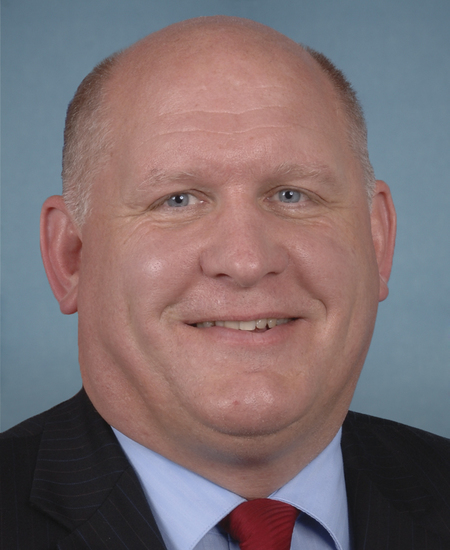
Rep. Glenn Thompson
Sponsored bills
Maddy summaryHR 6124, the Cybersecurity Skills Integration Act, establishes federal grants to help community colleges and critical infrastructure employers develop cybersecurity-focused career training programs. The bill provides up to $500,000 per grant to partnerships between postsecondary institutions and critical infrastructure employers (like energy or transportation sectors) to integrate cybersecurity education into existing workforce programs. These programs must align with national cybersecurity standards, include hands-on learning, lead to recognized credentials, and prioritize diversity, with applicants required to detail how they address specific workforce needs. The legislation authorizes $10 million total over time to support these initiatives, aiming to better prepare workers for in-demand cybersecurity roles in critical infrastructure.
Maddy summaryHRES 771 is a non-binding resolution expressing the U.S. House of Representatives' support for Israel following Hamas' October 7, 2023, attack. It condemns Hamas' actions, affirms Israel's right to self-defense, and calls for the immediate release of hostages. The resolution also urges enforcement of existing laws restricting aid to terrorists and sanctions against Iran for supporting Hamas. It does not create new policies or allocate funds, as it is a symbolic statement of congressional support.
Maddy summaryHRES 768 is a symbolic House Resolution expressing congressional support for Israel following Hamas' October 7, 2023 attacks. It condemns Hamas' actions, reaffirms Israel's right to self-defense, and calls for the immediate release of hostages. The resolution references the U.S. commitment to Israel's security through existing military aid programs, including the 2016 U.S.-Israel Memorandum of Understanding, and emphasizes enforcement of laws like the Taylor Force Act to prevent U.S. aid from reaching terrorist groups. As a symbolic resolution, it does not create new policy but serves as a statement of congressional support for Israel.
Maddy summaryThis bill, the ACCESS Act (HR 6043), requires states and local areas to expand career counseling for secondary students (middle and high school) by adding new public awareness campaigns about skilled trade and high-demand jobs. It mandates states to run media campaigns - including social media - promoting career and technical education programs, and requires local workforce programs to provide students with career exploration, counseling, and labor market information specific to in-demand occupations. The changes apply directly to public schools and workforce development agencies administering programs under the Workforce Innovation and Opportunity Act. The bill focuses on improving student access to information about skilled trades and high-wage careers through concrete policy updates.
Maddy summaryThe BUILDS Act provides grants to industry partnerships in infrastructure sectors (like energy, construction, and transportation) to create training programs that help workers with employment barriers gain skills through paid work experiences. It requires partnerships to align training with industry needs, offer support services (such as childcare and tools), and use nationally portable credentials to track progress. The program directly affects workers facing barriers to employment, businesses seeking skilled labor, and training providers. Partners must report annually on outcomes for diverse groups, including race, ethnicity, and age, to ensure accountability.
Maddy summaryHR 6055, the Schools Want Accountability for Threats Act (SWAT Act), increases penalties for threats targeting schools. It amends federal laws to add specific provisions making it a crime to threaten or spread false information about public, private, or religious schools offering early childhood through career education (as defined by state law), with penalties of up to 20 years in prison or fines. The bill applies to threats involving fire/explosives (18 U.S.C. §844), mail/interstate communications (§§875, 876), and false information (§1038). This creates a clear federal criminal penalty for individuals making such threats against qualifying schools, without changing existing school safety protocols.
Maddy summaryThis bill authorizes a one-time $40,000 payment to former Air America employees who served at least five years during 1950-1976, or to their survivors (widows/widowers, dependents, or children). Additional $8,000 payments are provided for each full year of service beyond five years. The total funding is capped at $60 million, with claims due within two years of regulations being finalized. It does not create ongoing benefits or change Air America’s legal status, and payments are issued as a single lump sum.
Maddy summaryHR 5110, the Protecting Hunting Heritage and Education Act, amends the Elementary and Secondary Education Act of 1965 to clarify that federal education funds cannot be used for certain weapons - but this restriction does not apply to archery, hunting, or other shooting sports training programs. The bill directly affects schools and educational programs seeking to use federal funds for these specific activities, such as archery clubs or hunting safety education. It adds an explicit exception to the existing prohibition, allowing funds to support "educational instruction or enrichment activities" in these sports under authorized programs. This change removes ambiguity about funding eligibility for such educational initiatives in K-12 schools.
Maddy summaryHRES 743 is a symbolic resolution expressing support for designating September 2023 as "National Workforce Development Month." It does not create new laws or allocate funding but formally acknowledges the importance of workforce development programs. The resolution highlights how initiatives like the Workforce Innovation and Opportunity Act help workers gain skills, reduce unemployment, and support economic growth - particularly for groups facing barriers like low-income individuals, veterans, and those in rural areas. It directly affects no specific people or programs but serves as a non-binding statement of congressional support for existing workforce development efforts.