

Maddy summaryHR 1610 would modernize Medicare coverage for chiropractic care by removing the current restriction that limited beneficiaries to one chiropractic service per visit. It expands coverage to include all services provided by licensed chiropractors within their state-authorized scope, aligning Medicare with VA, military, and private insurance practices. The bill requires chiropractors to complete a Secretary-approved educational webinar to cover non-spinal services, while still allowing payment for spinal manipulation treatments without this requirement. This directly affects Medicare beneficiaries seeking chiropractic care and chiropractors seeking Medicare reimbursement for their services.
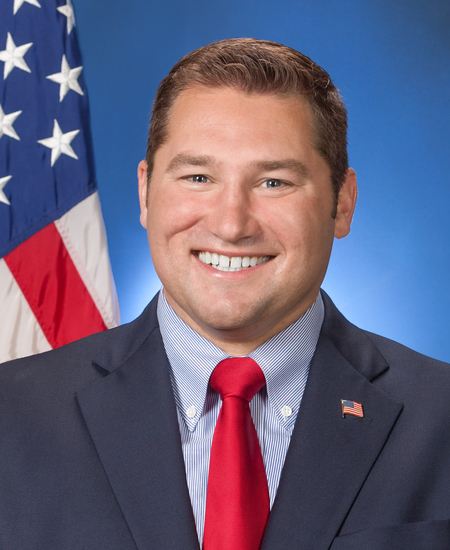
Rep. Guy Reschenthaler
Sponsored bills
Maddy summaryThis bill requires Medicare and Medicaid to cover prescription digital therapeutics - software-based treatments for medical conditions like diabetes or mental health disorders - starting January 1, 2024. It mandates Medicare to establish payment rates for manufacturers within one year and create specific billing codes within two years, with temporary codes used until permanent codes are set. Manufacturers must report annual data on pricing, usage, and discounts to Medicare, facing penalties of up to $10,000 per day for incomplete or false reports. The bill directly affects Medicare/Medicaid beneficiaries, digital therapeutic companies, and the healthcare billing system by integrating these treatments into federal coverage.
Maddy summaryHR 1407, the Financing Lead Out of Water Act, modifies tax rules to help communities replace lead water pipes. It clarifies that using tax-exempt bonds to replace privately-owned sections of lead service lines connected to public water systems does not count as "private business use" under federal tax law. This change allows public water systems to more easily finance lead pipe replacements through tax-exempt bonds, which are typically restricted from funding private business activities. The bill directly affects public water systems and local governments managing drinking water infrastructure, making it simpler to secure funding for compliance with federal lead regulations.
Maddy summaryHR 1399, the "Protect Children's Innocence Act," prohibits medical gender-affirming care for minors under 18 by making it a class C felony for providers to perform such care. The bill defines gender-affirming care broadly to include surgical procedures, hormone treatments, and certain cosmetic procedures, with exceptions for medical conditions like reproductive cancers or intersex conditions. It prohibits federal funding for gender-affirming care through programs like Medicaid, Medicare, and the Affordable Care Act, and bans such care in federal health facilities. The bill also prevents institutions of higher education from teaching gender-affirming care and adds immigration consequences for individuals who provide such care to minors.
Maddy summaryHR 1276, the "Protect Minors from Medical Malpractice Act of 2023," creates a legal right for minors who undergo gender-transition procedures before age 18 to sue medical practitioners for harms (physical, psychological, or emotional) related to those procedures. It allows such individuals to file civil lawsuits up to 30 years after turning 18, seeking damages, injunctions, or attorney fees. The bill defines "gender-transition procedure" broadly to include puberty blockers, cross-sex hormones, or surgeries, but excludes treatments for intersex conditions, medical emergencies, or injuries caused by prior procedures. This law directly affects minors receiving such care, medical practitioners performing these procedures, and states that might require them. The bill does not prohibit gender-transition care but establishes a liability framework for practitioners.
Maddy summaryThe Secure the Border Act of 2023 is a comprehensive immigration bill that focuses on strengthening border security, reforming asylum processes, and updating employment verification systems. The bill requires the immediate resumption of border wall construction, mandates specific staffing levels for Border Patrol agents, and establishes new technology investment plans for Customs and Border Protection. It also introduces stricter asylum eligibility rules, expands penalties for visa overstays, and creates a new employment eligibility verification system that requires employers to check worker authorization status. Additionally, the bill includes provisions for family detention standards, child repatriation policies, and increased funding for border security operations while prohibiting certain types of funding for organizations that facilitate illegal immigration.
Maddy summaryThis bill targets specific Mexican cartels (Sinaloa, Jalisco New Generation, Beltran-Levya, Gulf, Los Zetas, Tijuana, and La Familia Michoacana/Knights Templar) by increasing penalties for related crimes, prohibiting cartel members from using U.S. financial institutions, and creating a CARTEL Fund to distribute seized assets (75% to Homeland Security, 25% to Justice Department). It establishes new immigration barriers for cartel members and their family members, and imposes penalties on U.S. citizens who facilitate cartel activities. The bill also authorizes sanctions against foreign governments and individuals that support these cartels, including blocking transactions and denying visas. This legislation would directly affect cartel members, their associates, U.S. citizens facilitating cartel activities, and foreign entities supporting these organizations.
Maddy summaryHR 589, the MAHSA Act, imposes U.S. sanctions on Iran's Supreme Leader, President, and affiliated entities responsible for human rights abuses and terrorism. It targets the Supreme Leader's Office, the President's cabinet, security forces involved in the crackdown following Mahsa Amini's death, and entities financing abuses. The bill requires the President to annually determine and apply existing sanctions - like property blocking and visa bans - against these individuals and entities. This directly affects Iran's top leadership and security apparatus, aiming to hold them accountable for abuses including the Morality Police's role in Amini's detention and the subsequent violent suppression of protests.
Maddy summaryHR 549, the Metastatic Breast Cancer Access to Care Act, removes waiting periods for disability and Medicare coverage for people diagnosed with metastatic breast cancer. Specifically, it amends Social Security Act sections to allow immediate eligibility for disability insurance benefits (eliminating the standard waiting period) and immediate Medicare coverage (waiving the 24-month waiting period) for these patients. The bill directly affects individuals with metastatic breast cancer who would otherwise face delays in accessing critical benefits. These changes apply to applications filed or benefits beginning after the bill's enactment date. The law makes no other policy changes beyond these specific eligibility adjustments.
Maddy summaryHR 497, the Freedom for Health Care Workers Act, eliminates a federal requirement for healthcare workers in Medicare and Medicaid programs to be vaccinated against COVID-19. The bill directly affects healthcare providers who treat patients under these federally funded programs by preventing the enforcement of the November 2021 HHS rule mandating staff vaccinations. Its key provision prohibits the Department of Health and Human Services from implementing, enforcing, or creating a similar rule regarding vaccination for these workers. This bill changes the policy by removing a specific vaccine mandate for providers in Medicare and Medicaid programs.