

Maddy summaryHR 5383, the GIVE MILK Act, amends the Child Nutrition Act to allow WIC participants with young children to choose their preferred milk type (whole, low-fat, or nonfat) instead of receiving a default option. This change directly affects WIC participants caring for children aged 12 months to 4 years, aligning with dietary guidelines for that age group. The key provision requires the Secretary of Agriculture to issue the milk type elected by the participant or their guardian, updating WIC program regulations under Section 17(f) of the Child Nutrition Act. The bill focuses on enabling participant choice based on established nutritional recommendations for childhood development.
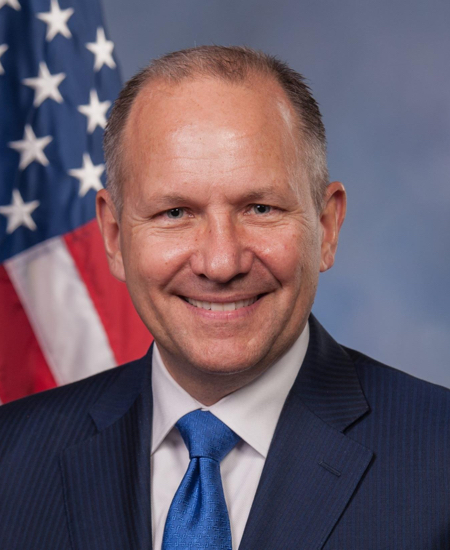
Rep. Lloyd Smucker
Sponsored bills
Maddy summaryThis bill expands the Gus Schumacher Nutrition Incentive Program (GusNIP) to increase access to healthy food for low-income SNAP participants. It raises the incentive funding percentage from 50% to 80% for eligible purchases, creates new cooperative agreements to scale state programs (requiring 90% of funds to be used for redeemed incentives at retailers), and expands a produce prescription program where healthcare providers can refer patients to buy fresh produce. The bill allocates increased annual funding through 2029, including $57.5 million annually for 2024-2028, and requires a study on transitioning produce prescription costs to health insurance within 10 years. It directly affects SNAP recipients, participating retailers (including farmers markets), and community health centers.
Investing in Rural America Act This bill allows Farm Credit System (FCS) institutions to provide financing and technical assistance for essential community facility projects as part of the Department of Agriculture's Community Facilities Direct Loan & Grant Program. (This program provides funding to develop essential community facilities in rural areas.) The FCS financing and technical assistance may be provided in order to make capital available to develop, build, maintain, improve, or provide other support for essential community facilities in rural communities (e.g., certain facilities that provide healthcare, community support, public safety, educational, or utility services). Under the bill, the financing provided by an FCS institution may not exceed 15% of the institution’s total assets unless the FCS institution offers at least one non-FCS lending institution an interest in the financing under reasonable terms and conditions acceptable to the borrower. The FCS institution must also report the offer to the Farm Credit Administration (FCA). The FCA must submit an annual report to Congress on the activities undertaken by FCS institutions under this bill, including through the partnerships between FCS institutions and other lending institutions. The FCA must post the report on the agency's website.
Maddy summaryHR 4745, the Delivering for Rural Seniors Act of 2023, creates a pilot program to expand home delivery of food packages under the Commodity Supplemental Food Program (CSFP) for low-income seniors in rural areas. The bill authorizes $10 million annually (2024-2026) for competitive grants to state agencies, which must prioritize rural service providers to cover costs like transportation, staffing, and outreach for home delivery. It requires grantees to report on delivery metrics, costs, and effectiveness annually. The program directly affects rural CSFP participants facing transportation barriers to accessing food assistance.
Maddy summaryThis bill amends the definition of manufactured homes under federal law by removing the requirement that they be "built on a permanent chassis." The change directly affects manufactured home owners and manufacturers by potentially expanding eligibility for certain housing programs and financing options previously restricted to traditional homes. Within 90 days of enactment, a federal committee must develop revised safety standards for manufactured homes to implement this definition change. The core provision simplifies regulatory classification, aiming to make manufactured housing more accessible as a homeownership option.
Maddy summaryThis bill modernizes the federal Vaccine Injury Compensation Program (VICP) by increasing the minimum number of special masters from 8 to 10 to reduce processing delays. It raises compensation for vaccine-related death and pain/suffering to $600,000 in 2021, adjusted annually for inflation via the Consumer Price Index. The statute of limitations for filing claims is extended from 36 months to 5 years, and it mandates adding COVID-19 vaccines to the Vaccine Injury Table while transferring all pending claims to the VICP. These changes directly affect individuals seeking compensation for alleged vaccine injuries by improving program efficiency and updating financial protections.
Maddy summaryThis bill approves and implements a new trade agreement between the United States and Taiwan, negotiated by the American Institute in Taiwan and Taiwan's Taipei Economic and Cultural Representative Office. The agreement aims to strengthen economic ties by addressing areas like supply chain security, investment screening, health, science, technology, and the digital economy. The bill establishes requirements for the President to consult with Congress before implementation, submit reports on how the agreement benefits US workers and businesses, and provide transparency about future trade negotiations. It also clarifies that the agreement doesn't override US or state laws and requires any future agreements to follow a similar approval process with congressional review.
Maddy summaryThis bill prohibits federal involvement in commercial greyhound racing, live lure training, and open field coursing by banning interstate activities related to these practices. It makes it unlawful to conduct betting on greyhound races (including remote gambling), use live animals as bait, or transport animals for these purposes. The law specifically targets the declining greyhound racing industry (now operating at only two tracks in West Virginia), banning federal facilitation of betting, live bait use, and interstate transport of animals for racing or training. It does not affect horse racing or state laws already prohibiting these activities in most states.
Maddy summaryThis bill adds spotted lanternfly control to the list of high-priority research initiatives funded by the USDA. It enables federal grants for developing and sharing practical tools to combat this invasive insect pest, directly affecting agricultural researchers and farmers in affected areas (like Pennsylvania, where the pest causes significant crop damage). The key provision modifies existing law to specifically include lanternfly research under funding programs, without changing current grant rules. The bill also extends the funding authorization period for such initiatives through 2028.
Maddy summaryHR 5053, the Wage Equity Act of 2023, prohibits employers from using an applicant's past salary to set pay or requiring disclosure of wage history, aiming to prevent gender-based pay discrimination. It requires employers to conduct voluntary job and wage analysis audits to identify and address pay disparities based on sex, with legal protections for those who complete audits in good faith. The bill also bans employers from restricting employees' discussions about wages or retaliating against those who discuss pay or request explanations for pay differences. These provisions directly affect employers nationwide and employees, particularly women, by promoting transparency and addressing systemic pay gaps.