

Maddy summaryHR 7801, the Sultana Steamboat Disaster Commemorative Coin Act of 2024, authorizes the U.S. Mint to produce commemorative coins honoring the 1865 Sultana steamboat disaster - the worst maritime disaster in U.S. history, which killed nearly 1,200 people. The bill specifies three coin types ($5 gold, $1 silver, and half-dollar clad) to be minted between January 1, 2027, and December 31, 2027, with surcharges from sales directed to the Sultana Historical Preservation Society for museum development and artifact preservation. The coins will be sold at face value plus surcharges ($5-$35 per coin), and the funds must support constructing a museum, exhibits, and preserving disaster-related history. This bill does not create new laws but enables commemorative coin sales to fund a specific historical preservation effort.
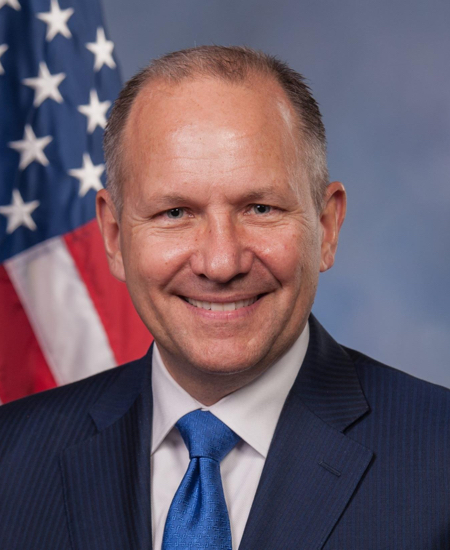
Rep. Lloyd Smucker
Sponsored bills
Maddy summaryHR 7810, the Clock Hour Program Student Protection Act, sets a new limit on instructional hours for certain vocational training programs preparing students for recognized professions (like nursing or cosmetology). It requires that such programs, which already meet state minimums, cannot exceed 150% of either the state's or a federal agency's minimum hour requirement for that profession. This rule applies to determine eligibility for federal student aid under the Higher Education Act. The law takes effect July 1, 2024, for the 2024-2025 academic year and beyond.
Maddy summaryHR 6610, the Passport System Reform and Backlog Prevention Act, aims to reduce delays in U.S. passport processing for citizens applying for routine new or renewal passports. It mandates a 30-day processing standard from document submission to mailing, requires technology upgrades like digital tracking dashboards and mobile apps for applicant updates, and authorizes hiring up to 100 temporary staff annually for passport offices. The bill also sets cybersecurity standards, maintains affordable fees, and requires regular progress reports to Congress on implementation. These changes directly affect U.S. citizens seeking passports, particularly those in remote areas with limited access to processing centers.
Maddy summaryThis bill amends budget scoring rules to require the Congressional Budget Office to account for long-term savings from preventive health programs when evaluating legislation. It directs the CBO to assess if a bill reduces future government costs through evidence-based preventive health services (like screenings or vaccinations) and include those savings in budget projections. The change affects how Congress scores the fiscal impact of health-related bills, requiring them to consider savings over 20 years (not just the current budget cycle). It does not create new programs but changes the budget analysis process for preventive health measures.
Maddy summaryThis bill allows states to use fixed-fee primary care arrangements under Medicaid, where patients pay a set monthly fee for basic primary care services (like check-ups and preventive care) instead of traditional billing. It directly affects Medicaid programs, primary care providers (doctors and clinics), and enrollees receiving primary care. Key provisions remove barriers to states contracting directly with providers for this model and require the HHS Secretary to issue implementation guidance and submit a report on cost and quality outcomes within a year. The bill does not change Medicaid eligibility, cost-sharing rules, or limit services to only this payment model.
Maddy summaryThis bill designates the U.S. Postal Service facility at 28 East Airy Street in Norristown, Pennsylvania, as the "Charles L. Blockson Post Office Building." It directly affects the specific post office location and all official references to it. The key provision requires that all future government documents, maps, and records referencing this facility must use the new name. The bill makes no changes to postal services, operations, or affected individuals - only updating the facility's official designation. (Procedural naming bill; summary limited to 2 sentences as specified.)
Maddy summaryThe Bipartisan HSA Improvement Act of 2023 simplifies Health Savings Account (HSA) usage by clarifying tax treatment for specific healthcare arrangements. It allows direct primary care service fees (a fixed monthly payment for primary care, without insurance) to be paid using HSA funds, while setting a monthly fee limit ($150, or $300 for family coverage) and excluding certain services like prescription drugs. The bill also permits individuals to contribute to an HSA even if their spouse has a health flexible spending arrangement (FSA), and creates a process for transferring funds from a health flexible spending arrangement (FSA) or health reimbursement arrangement (HRA) to an HSA when switching to a high-deductible health plan. These changes primarily affect individuals enrolled in HSAs, direct primary care patients, and employees with employer-run clinics or FSA coverage.
Maddy summaryHR 7384, the Creating Hope Reauthorization Act of 2024, extends the deadline for issuing priority review vouchers to pharmaceutical companies developing treatments for rare pediatric diseases. The bill amends the Federal Food, Drug, and Cosmetic Act to push the program’s expiration from 2024 to 2028 and adjusts another related deadline to 2030. This directly affects drug manufacturers seeking faster FDA review for new treatments targeting rare childhood illnesses. The extension ensures continued incentives for developing these critical therapies without altering the core voucher mechanism.
Maddy summaryHJRES 107 is a congressional resolution seeking to block a Federal Communications Commission (FCC) rule published on January 22, 2024 (89 Fed. Reg. 4128). The resolution aims to disapprove the FCC's rule implementing digital discrimination protections under the Infrastructure Investment and Jobs Act, which would have required internet providers to prevent discriminatory practices. If passed, this resolution would nullify the FCC rule, preventing it from taking effect under the Congressional Review Act (Chapter 8 of Title 5, U.S. Code). The bill directly affects the FCC's regulatory authority over digital discrimination enforcement in broadband services.
Maddy summaryHRES 993 is a non-binding congressional resolution designating February as "Career and Technical Education (CTE) Month" to celebrate CTE programs nationwide. It supports CTE as a pathway preparing students for high-demand, skilled careers in fields like infrastructure and technology, recognizing that over 12 million students currently participate in CTE programs across high schools and colleges. The resolution encourages educators, counselors, and parents to promote CTE as a respected educational option, highlighting its role in reducing high school dropout rates and aligning student skills with workforce needs. It does not create new laws or allocate funding, but symbolically affirms bipartisan support for CTE, referencing the 1917 Smith-Hughes Act as foundational to current efforts.