

Maddy summaryThis bill modifies tax rules for vaccines by adding new vaccines to the list of taxable vaccines under federal law. Specifically, it includes any vaccine placed on the Vaccine Injury Table under the Public Health Service Act, which determines eligibility for compensation for vaccine-related injuries. Manufacturers and distributors will need to account for these vaccines under the tax code once HHS adds them to the injury compensation list. The change affects tax reporting for these specific vaccines but does not alter vaccine access, costs, or the injury compensation program itself.
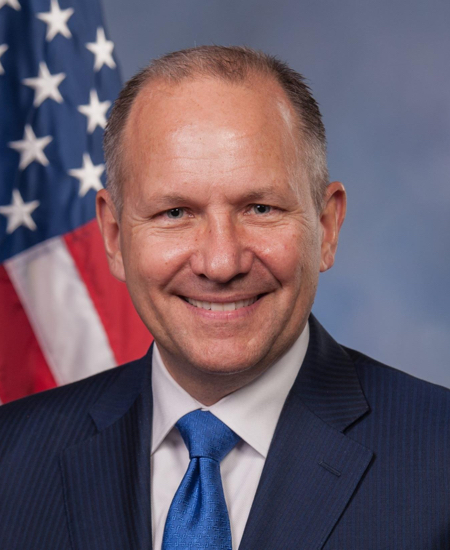
Rep. Lloyd Smucker
Sponsored bills
Maddy summaryThis bill simplifies participation in Medicare's Accountable Care Organization (ACO) program by removing distinctions between small and large ACOs and eliminating the requirement for new ACOs to assume financial risk for three years before joining shared savings models. It creates a new "100% shared savings" option where ACOs keep all savings from cost reductions but bear full financial responsibility for losses. The bill also mandates clearer, transparent benchmark calculations for ACO performance, establishes appeal processes for disputed benchmarks, and requires technical assistance for rural and underserved providers. These changes directly affect Medicare ACOs, particularly smaller or newer organizations in rural or safety-net settings, aiming to make value-based care participation more accessible.
Maddy summaryHR 4044, the China Trade Cheating Restitution Act of 2023, amends a technical provision in existing trade law to update the effective date for distributing certain antidumping and countervailing duties. Specifically, it changes the reference from October 1, 2014, to October 1, 2000, in how U.S. Customs and Border Protection handles these duty distributions. This bill directly affects U.S. Customs operations and the administrative process for returning duties collected under specific trade enforcement mechanisms. It makes no new policy changes but adjusts a historical date reference in the current law.
Maddy summaryThis bill changes tax rules to treat direct primary care (DPC) membership fees as deductible medical expenses. It defines DPC as a fixed monthly fee (capped at $150 per person, $300 for families) for primary care services only, excluding procedures requiring anesthesia, prescription drugs (except vaccines), or lab tests. The law ensures these fees can be claimed on tax returns like other medical costs, while clarifying DPC arrangements aren’t considered health insurance plans. It applies to fees paid for DPC services provided through employment or directly to patients, effective for 2024 tax years.
Maddy summaryThis bill regulates pharmacy benefit managers (PBMs) working with Medicare Part D prescription drug plans. It prohibits PBMs from earning income based on drug prices or rebates (requiring flat fees instead), mandates equal reimbursement for all network pharmacies, and requires PBMs to report how much of drug rebates they pass through to Medicare plans. The law also mandates annual compliance certifications and requires the government to publish aggregated transparency data (without revealing specific plan details) starting in 2024. These changes directly affect Medicare Part D plans and the seniors who rely on them for prescription drug coverage.
Maddy summaryHR 2813, the Self-Insurance Protection Act, clarifies that stop-loss insurance purchased by employers with self-funded health plans is not considered "health insurance coverage" under federal law. This affects employers who self-fund employee health benefits, as it ensures stop-loss policies - which protect employers from unexpected high medical claims - remain exempt from state insurance regulations meant for traditional health insurance. The bill amends ERISA, the Public Health Service Act, and the Internal Revenue Code to explicitly exclude stop-loss coverage from definitions of health insurance, preventing states from restricting its availability. This change aims to maintain employer access to stop-loss insurance as a financial risk management tool for self-funded health plans.
Maddy summaryHR 2639 requires Medicare to only pay for nerve conduction studies and needle electromyography tests (electrodiagnostic services) provided at "qualified facilities" starting 3-4 years after enactment. A qualified facility must be accredited by an organization approved by the Secretary of Health and Human Services and meet specific standards, including having a quality program, using approved equipment, ensuring staff have adequate training, and requiring on-site interpretation of results during the procedure. The bill also mandates the Secretary to establish an advisory committee to recommend standards for accreditation and quality improvements in these services. This affects facilities providing electrodiagnostic testing and aims to standardize care through accreditation requirements.
Maddy summaryThis bill would require Medicare to cover FDA-approved blood tests that screen for multiple cancers simultaneously (like breast, lung, or colorectal cancer) for beneficiaries. It directly affects Medicare recipients aged 65+ who could access these new screenings once per year, without prior authorization. The key provision adds "multi-cancer early detection screening tests" to Medicare's covered services under Part B, defining them as blood tests analyzing cell-free DNA, while maintaining existing coverage for standard screenings like mammograms. The bill does not change current coverage for individual cancer screenings but ensures Medicare keeps pace with new medical technology.
Maddy summaryHR 1610 would modernize Medicare coverage for chiropractic care by removing the current restriction that limited beneficiaries to one chiropractic service per visit. It expands coverage to include all services provided by licensed chiropractors within their state-authorized scope, aligning Medicare with VA, military, and private insurance practices. The bill requires chiropractors to complete a Secretary-approved educational webinar to cover non-spinal services, while still allowing payment for spinal manipulation treatments without this requirement. This directly affects Medicare beneficiaries seeking chiropractic care and chiropractors seeking Medicare reimbursement for their services.
Maddy summaryThis bill repeals specific provisions from the Affordable Care Act and its 2010 amendment that restricted certain physician referrals to hospitals under Medicare. It directly affects hospitals and physicians who previously faced limitations on referring Medicare patients to facilities they owned or had financial ties with. The key mechanism restores the original rules that allowed such referrals without the prior restrictions, effectively undoing the 2010 changes. This is a procedural change to existing law, not a new policy.