

Maddy summaryThe FOCA Act of 2025 prohibits federal agencies from requiring or banning contractors from using union agreements in construction project bids or contracts. It directly affects federal agencies, contractors, and subcontractors working on federally funded or assisted construction projects (like buildings or infrastructure). The law requires bid documents to not favor or penalize contractors based on whether they have union agreements, aiming to promote open competition and prevent discrimination. This changes how agencies structure bids but does not affect union agreements themselves. The bill applies to all new contracts and subcontracts after enactment, with limited exemptions only for public health/safety emergencies or national security.
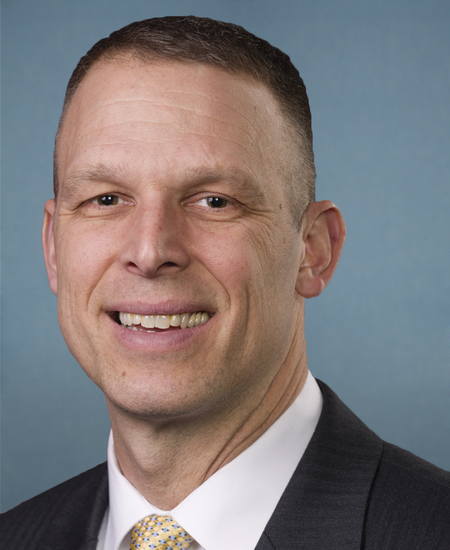
Rep. Scott Perry
Sponsored bills
Maddy summaryHR 2052 requires the President to submit annual reports to Congress assessing the Houthis' military capabilities, their attacks on international shipping in the Red Sea and Gulf of Aden, and violations of the UN arms embargo against Yemen. These reports must detail Houthi funding sources (including Iran), weapons systems, economic impacts, and Iran's role in supporting attacks. The bill also authorizes sanctions against foreign individuals or entities that support Houthi attacks on shipping or provide military aid, including asset blocking and visa denials. The sanctions apply to those responsible for or complicit in such attacks, with limited waiver options for national security. The bill's reporting and sanction requirements expire five years after enactment.
Maddy summaryHR 2060, the Traveler’s Gun Rights Act, clarifies where individuals are considered residents for gun background checks when traveling. It defines "State of residence" to include active-duty military members' duty station or commute location, and people using a private mailbox or PO box without a physical home. The bill requires background checks to include either a physical address or a PO box address for gun buyers. This directly affects travelers, military personnel, and those without a fixed residence who purchase firearms across state lines. The change modifies existing federal background check procedures under Title 18, U.S. Code.
Maddy summaryHR 2039, the Protecting the Right to Keep and Bear Arms Act of 2025, prevents the President and Health Secretary from using emergency declarations (under the National Emergencies Act or Public Health Service Act) to implement gun control measures. It amends disaster relief law to explicitly prohibit future rules that would ban firearm possession, sales, or accessories during emergencies. The bill directly affects federal agencies and future emergency declarations, blocking them from being used as a tool for gun regulation. It does not change existing gun laws but restricts how emergency powers can be applied to firearms policy.
Maddy summaryHR 1946, the 45Q Repeal Act of 2025, eliminates the federal tax credit for carbon capture and sequestration projects. It directly affects energy companies and industrial facilities that previously used this credit to offset costs of capturing carbon dioxide emissions. The bill removes Section 45Q from the tax code and amends related provisions to delete all references to the credit, effective for taxable years starting after December 31, 2025. This ends a financial incentive that encouraged investment in carbon capture technology.
Maddy summaryHR 1953, the Deportation Compliance Act, prohibits U.S. foreign aid to countries that repeatedly refuse or delay accepting their own citizens being deported from the United States. Specifically, it blocks federal funds if a country continues denying or unreasonably delaying the return of its citizens for 180 days after the Secretary of State has listed it under Section 243(d) of immigration law. This directly affects foreign governments that fail to cooperate with U.S. deportation requests for their nationals. The key mechanism is a mandatory cutoff of all foreign assistance funds to such non-compliant countries, using aid as leverage to enforce deportation cooperation.
Maddy summaryHR 1846, the Federal Reserve Board Abolition Act, would end the Federal Reserve System by abolishing its Board of Governors and all 12 Federal Reserve banks after a one-year transition period following enactment. The bill requires liquidating the Fed's assets through the Office of Management and Budget, transferring all liabilities (including employee benefits) to the Treasury Secretary, and depositing net proceeds into the Treasury's General Fund. This bill directly affects the Federal Reserve's structure and operations, transferring its responsibilities to the Treasury without altering current monetary policy functions.
Maddy summaryHR 1879, the "No Tax Breaks for Sanctuary Cities Act," denies tax-exempt status for bonds issued by jurisdictions classified as "sanctuary jurisdictions." A sanctuary jurisdiction is defined as a city or state that either restricts sharing immigration status information with federal authorities or fails to comply with federal detainer requests under immigration law. The bill requires the Treasury Secretary to publish an annual list of such jurisdictions within 180 days of enactment. This policy directly affects local governments meeting the definition by removing a key funding tool - tax-exempt municipal bonds - used for public projects like schools or infrastructure. The law applies to bonds issued after enactment and does not alter existing sanctuary policies themselves.
Federal Firearms Licensee Protection Act of 2025 This bill modifies criminal penalties for an offense involving the theft of a firearm from a licensed importer, manufacturer, or dealer, or from their business premises. Specifically, the bill does the following: increases from 10 to 20 years the maximum prison term, and creates a 3- or 5-year mandatory minimum prison term for an offense that occurs during the commission of a burglary or robbery. An attempt to commit an offense is subject to the same penalties as a substantive offense.
Maddy summaryThis bill amends federal law to require that individuals purchasing handguns from licensed dealers be at least 21 years old, removing previous exceptions that allowed sales to those under 21 for certain firearms. It directly affects anyone seeking to buy handguns from federally licensed gun sellers, raising the minimum age from 18 to 21 for these transactions. The bill also removes an existing age verification statement (requiring buyers to confirm they are 21 or older) for handgun purchases, aligning the requirement with the new age standard. Rifles and shotguns remain unaffected by this provision, as the amendment specifically targets handguns only. The bill's title referencing "voter" is unrelated to its actual provisions on firearm sales.