

Servicemember Parental Leave Equity Act This bill modifies Department of Defense parental leave provisions for members of the Armed Forces. Specifically, the bill increases parental leave for primary caregivers to 18 weeks (currently 12) following the birth of a child and to 12 weeks (currently 6) following the adoption of a child. The bill increases parental leave for a secondary caregiver from 21 days to 12 weeks in connection with the birth or adoption of a child. Primary or secondary caregivers of a long-term foster child are authorized to take up to 12 weeks of leave in connection with such placement. Parental leave for a primary or secondary caregiver for a birth, adoption, or foster child placement may be taken in more than one increment. For primary caregivers, the leave must be utilized within one year of the event. The bill authorizes up to 12 weeks of leave to certain service members who would have been secondary caregivers but for a miscarriage, stillbirth, or infant death. The following activities required of an active-duty member within a 12-month postpartum period must have the approval of a health care provider and be at the election of the member or in the interest of national security: (1) an order of temporary duty overnight travel or to participate in physically demanding field training exercises, (2) meeting of body composition standards, or (3) passing a physical fitness test. The bill also reduces the service commitment required for participation in the Career Intermission Program.
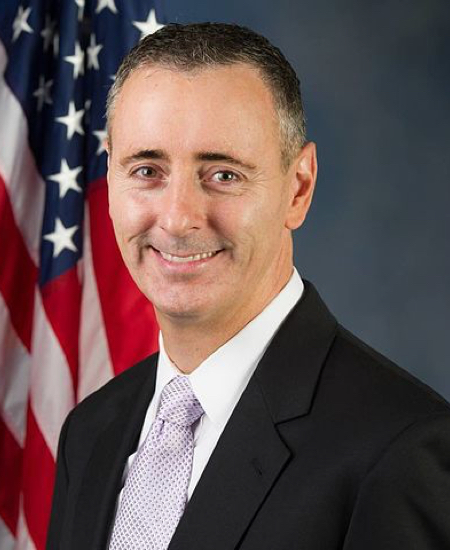
Rep. Brian K. Fitzpatrick
Sponsored bills
Personal Health Investment Today Act of 2021 or the PHIT Act of 2021 This bill allows a medical care tax deduction for up to $1,000 ($2,000 for a joint return or a head of household) of qualified sports and fitness expenses per year. The bill defines qualified sports and fitness expenses as amounts paid exclusively for participating in a physical activity, including (1) fitness facility memberships, (2) physical exercise or activity programs, or (3) equipment for a physical exercise or activity program.
This resolution supports the designation, and the goals and ideals, of National Bladder Cancer Awareness Month.
Adoption Tax Credit Refundability Act of 2021 This bill makes the tax credit for adoption expenses refundable.
Convening Operations Assistance for Childcare Heroes Act or the COACH Act This bill requires the Small Business Administration to maintain a resource guide for small businesses operating as child care providers that includes guidance on topics such as operations, finances, and compliance with relevant laws.
Putting Our First Responders First Act of 2021 This bill modifies the requirements for calculating taxable income to allow first responders to exclude from gross income certain service-connected disability payments received as part of a pension or annuity after reaching the age of retirement. The bill applies to law enforcement officers, employees in fire protection activities, and individuals who provide out-of-hospital emergency medical care.
This bill modifies the definition of water heater , otherwise revises energy conservation standards, and sets forth labeling requirements for water heaters.
Helping Ensure Life- and Limb-Saving Access to Podiatric Physicians Act or the HELLPP Act This bill adds podiatrists as covered physicians under the Medicaid program. Additionally, the bill revises certain documentation requirements related to Medicare coverage of therapeutic shoes for individuals with diabetes. Finally, the bill subjects payments made to a Medicaid provider or supplier to a continuing levy for federal taxes owed by the provider or supplier.
Savings Access For Escaping and Rebuilding Act of 2021 or the SAFER Act This bill allows penalty-free distributions from tax-exempt retirement plans for domestic abuse victims.
Boosting Long-term U.S. Engagement in the Pacific Act or the BLUE Pacific Act This bill requires and authorizes activities related to U.S. foreign policy in the Pacific Islands, including the Cook Islands, Fiji, the Marshall Islands, Papua New Guinea, and Vanuatu. The bill requires specified departments and agencies to develop and implement strategies in the region to expand the coverage of the International Law Enforcement Academies program; help build the capacity of local civilian and national security institutions; expand trade capacity and promote regional development; assist in preparing for natural disasters and other emergencies; assist in building public health capacity and improving outcomes, including in response to COVID-19; address climate change, with a focus on improving critical infrastructure and supporting ecosystem conservation efforts; provide expanded media content to the Pacific Islands and partner with journalists; support efforts to reduce gender-based violence and promote gender equality; promote educational and professional development of young adult leaders and professionals; and promote the development of civil society. The bill also requires the Department of State to prioritize efforts to help the Pacific Islands ratify and implement international legal conventions related to transnational crime. The State Department must also coordinate with regional allies and partners in providing assistance to the Pacific Islands. The President may provide assistance to the Pacific Islands to promote quality basic education and to promote the dissemination of free and accurate information.