

Maddy summaryHR 903, the Smoke and Heat Ready Communities Act of 2025, creates federal grant programs to help communities prepare for wildfire smoke and extreme heat events. It funds air pollution control agencies to monitor air quality, deploy monitoring equipment, equip public buildings with air filtration, and distribute protective gear like N95 masks. The bill also establishes university research centers to study health impacts and develop community response strategies, and provides competitive grants for local governments, tribes, and Native Hawaiian organizations to create collaborative community plans. These programs target communities most vulnerable to poor air quality from wildfire smoke and extreme heat, with priority given to areas impacted by these events.
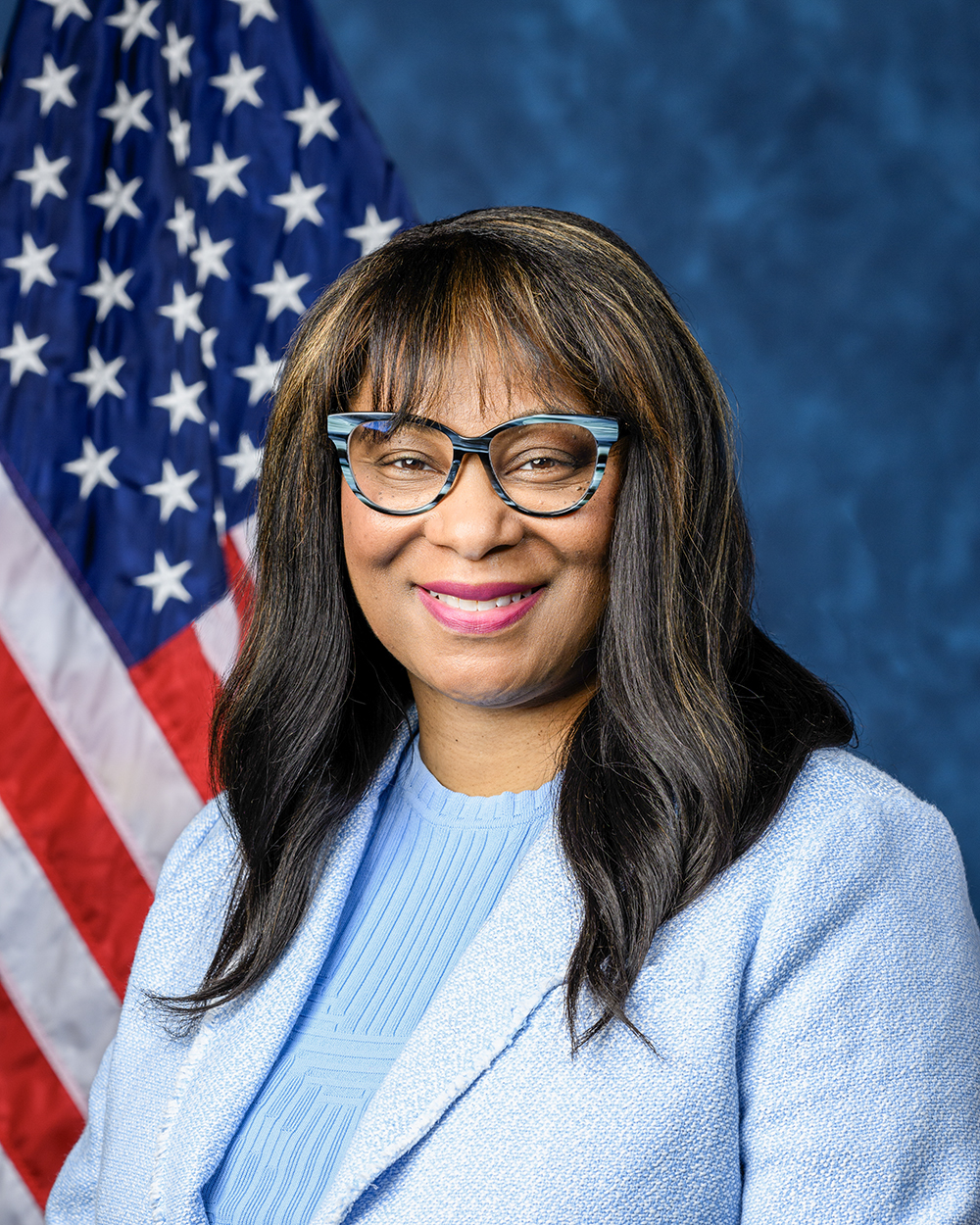
Rep. Janelle S. Bynum
Sponsored bills
Maddy summaryThis resolution expresses the House of Representatives' position that Congress should take steps to prevent the privatization of the United States Postal Service (USPS), ensuring it remains a federal independent agency. It highlights USPS’s constitutional role, self-sustaining nature (relying on service revenue, not taxpayer funds), and critical functions - serving 168 million addresses daily, supporting rural communities, and underpinning e-commerce. The resolution opposes privatization, noting it would raise prices, reduce services, and harm the $1.9 trillion mailing industry. As a non-binding resolution, it reflects the House’s stance but does not create new law or policy.
Sustainable Cardiopulmonary Rehabilitation Services in the Home Act This bill permanently allows services relating to cardiac rehabilitation programs, intensive cardiac rehabilitation programs, and pulmonary rehabilitation programs to be furnished via telehealth at a beneficiary's home under Medicare.
Maddy summaryHR 801, the Charitable Act, creates a new tax deduction for individuals who do not itemize deductions on their federal tax returns. It allows these taxpayers to deduct up to one-third of their standard deduction amount for charitable contributions in 2026 and 2027. The bill directly affects non-itemizing individual taxpayers by providing a limited, direct deduction for charitable giving without requiring them to itemize. The deduction is capped at 1/3 of the standard deduction amount for those tax years, effective for returns filed in 2027 and 2028.
Maddy summaryHR 717 establishes a grant program to fund projects improving habitat connectivity for migratory wildlife, primarily benefiting big game species like deer, elk, and pronghorn. The bill provides federal funding (with up to 90% federal share) for states, tribes, nonprofits, and landowners to implement habitat improvements such as fence modifications, wildlife crossings, and habitat restoration in identified movement areas. Projects must include support from state or tribal wildlife agencies, and at least 50% of funding must target big game movement areas. The program coordinates with existing initiatives like the Migratory Big Game Initiative and requires annual reporting on conservation outcomes.
Maddy summaryHR 646, the Build Housing with Care Act of 2025, establishes a HUD grant program to fund the co-location of affordable housing developments with child care facilities. It directly affects housing developers, child care providers, and residents of affordable housing by requiring grants to support projects in "child care deserts" (areas with severe child care shortages), prioritizing low-income, rural, or Head Start-serving providers. Key provisions mandate that projects must not evict residents, include resident engagement plans, and ensure child care providers serve low-income families or dual-language learners. The bill authorizes $100 million annually (2025-2030) and requires annual reports tracking child care slots created, resident usage, and demographic data.
Jobs Now Act of 2025 This bill directs the Department of Labor to conduct a two-year pilot program to award grants to general local governmental units or community-based organizations to retain, employ, or train individuals for positions that provide a public service. At least 50% of grant funds must be used to retain employees who would otherwise be laid off due to budget cuts. Labor must encourage grantees to use grant funds to retain, employ, or train veterans, individuals with disabilities, individuals receiving unemployment benefits, or dislocated workers.
Maddy summaryHR 628, the Honor Our Living Donors Act, amends federal law to protect living organ donors by changing how reimbursement grants operate. It prohibits grant recipients from considering the organ recipient's income when reimbursing donors and removes any expectation that organ recipients pay donors directly. The bill also requires the Secretary to submit an annual report detailing whether grants fully covered all donor expenses and estimating any funding gaps. This directly affects living organ donors participating in federal grant programs under the Public Health Service Act.
Maddy summaryHR 612, the Health Care Providers Safety Act of 2025, provides federal funding to help health care facilities improve safety. It authorizes the Secretary to award grants to hospitals, clinics, and other health care providers to cover costs for physical security (like structural improvements) and cyber security (such as data privacy tools and video surveillance systems). These grants directly help health care providers protect their facilities, staff, and patients from security threats. The bill creates a new funding mechanism under the Public Health Service Act, making specific security upgrades eligible for federal support.
Maddy summaryThe Protecting First Responders from Secondary Exposure Act of 2025 requires federal funding to provide training and containment devices for first responders, specifically to prevent exposure to fentanyl and other dangerous substances during emergencies. This bill directly affects police, firefighters, and emergency medical personnel who face accidental exposure risks while responding to drug-related incidents. The key provision amends existing federal law to mandate both training resources and the purchase of specialized containment equipment for first responder use. The policy change aims to reduce health risks from secondary exposure without altering drug enforcement or criminal law.