

Maddy summaryThis bill, HR 2102 (Major Richard Star Act), allows veterans with combat-related disabilities to receive both full military retired pay and veterans' disability compensation simultaneously, without the previous offset that reduced retired pay. It directly affects veterans already eligible for both benefits due to combat-related injuries, removing the requirement that their retired pay be reduced by the disability compensation amount. The key provision amends Title 10 and Title 38 to eliminate the offset rule (sections 5304 and 5305 of Title 38) for these veterans. The change applies to payments starting after the bill’s enactment date, effective for all qualifying veterans. This is a policy change to increase financial support for affected veterans, not a new benefit.
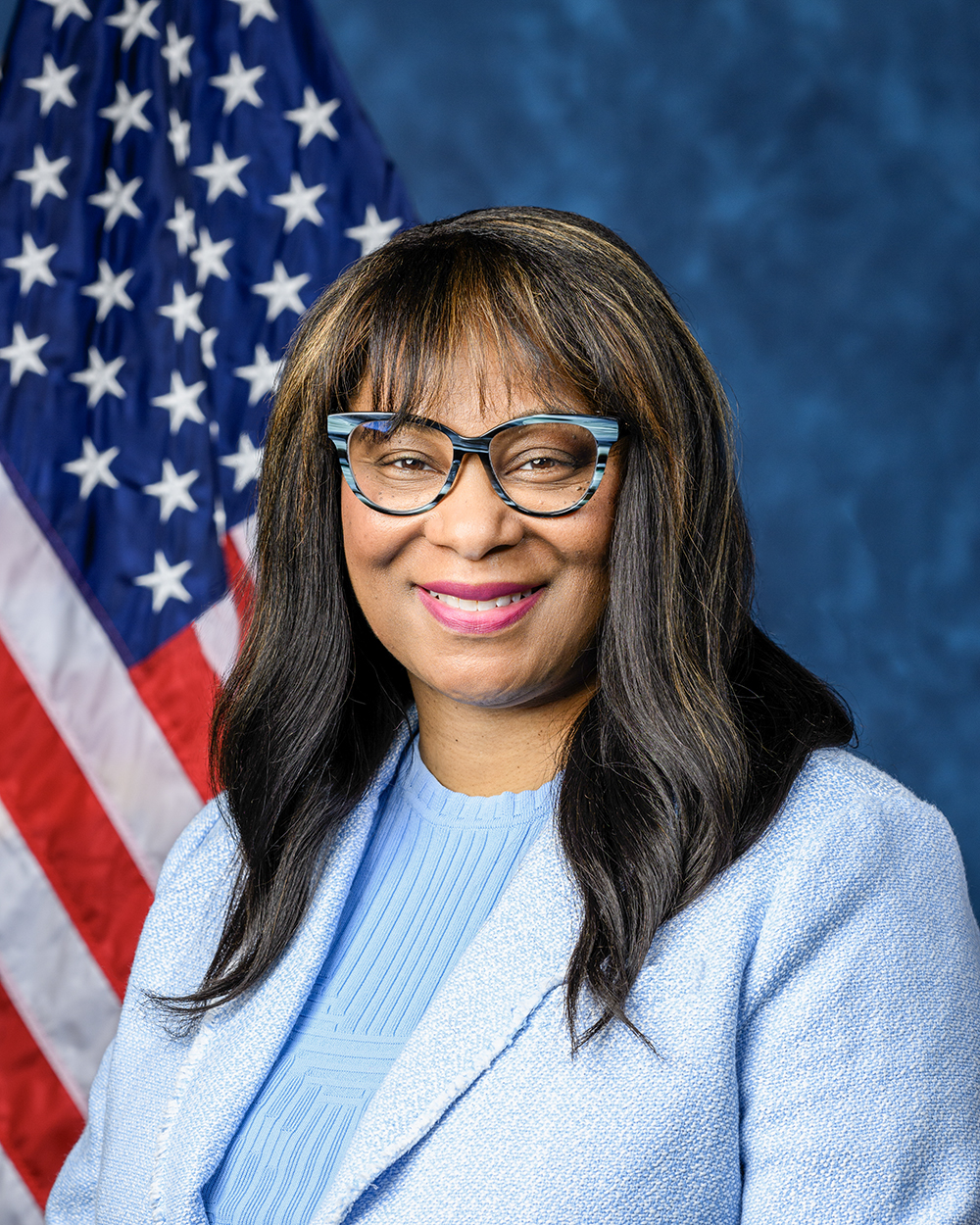
Rep. Janelle S. Bynum
Sponsored bills
Maddy summaryThis bill directs the USDA to fund research on wildfire smoke's impact on wine grapes and wine. It requires the Secretary of Agriculture to identify smoke compounds, develop testing methods, create a background database of natural smoke levels, and create tools to reduce exposure - working with universities in California, Oregon, and Washington. The research aims to help winegrowers affected by wildfire smoke, which has increasingly damaged crops in those states. It authorizes $6.5 million annually for fiscal years 2026-2030 to support this work.
Maddy summaryThe Radar Gap Elimination Act (HR 2646) establishes a program to replace the aging NEXRAD weather radar network with improved technology. It requires NOAA to develop a detailed plan by 2040, including performance standards, a testbed for phased array radar, and strategies to fill coverage gaps using commercial radars and partnerships. The bill directly affects the National Weather Service's radar infrastructure and aims to enhance coverage - especially in remote or topographically challenging areas - by prioritizing locations over 75 miles from existing stations. Key provisions include collaborating with meteorologists and emergency managers, testing new radar technologies, and ensuring data improvements for weather forecasts and warnings.
Federal Firearm Licensee Act This bill establishes new security requirements and expands recordkeeping and reporting requirements for federally licensed dealers, importers, and manufacturers of firearms (i.e., federal firearms licensees, or FFLs). The bill also broadens the authority of the Bureau of Alcohol, Tobacco, Firearms and Explosives (ATF) to administer federal firearms laws and enforce violations. Specifically, bill requires FFLs to implement and comply with a plan to secure their business premises, conduct quarterly physical checks of their business inventories, maintain video surveillance of the area where firearms are sold or transferred, and initiate firearms-related background checks for employees. Additionally, the bill requires FFLs to report to the ATF any inventory firearm that is lost, stolen, or unaccounted for and to notify the ATF about default-proceed transactions (i.e., allowable firearm transfers to an unlicensed person prior to the completion of a background check when the submitted background check remains incomplete after three business days). Finally, the bill removes limits on the ATF's authority to conduct activities related to the administration of federal firearms laws. It enhances the ATF's inspection authority, including by removing the limit on the number of annual compliance inspections (currently, one), requiring inspections of high-risk FFLs, and authorizing an additional 650 investigators. Finally, the bill directs the ATF to deny an application for a federal firearms license if it would endanger public safety or if the applicant is unlikely to comply with the law.
Maddy summaryHR 2655 would end the federal income tax on unemployment compensation for most recipients starting in 2025. It amends the tax code to remove the requirement that unemployment benefits be included in taxable income after December 31, 2024. This means individuals receiving unemployment benefits in 2025 or later would not owe federal income tax on those payments. The change applies to all eligible unemployment benefits received after the 2024 deadline, effectively sunsetting the existing tax treatment.
Maddy summaryHRES 259 is a House resolution requesting the President to provide documents about access to the Bureau of Consumer Financial Protection (CFPB) systems. It specifically asks for details on individuals from the "Department of Government Efficiency" (DOGE), including named staff like Elon Musk, who were granted access to CFPB systems, accounts, or information. The resolution demands records on the type of access granted, clearance levels, any sensitive data viewed, and documentation like access requests and training records. It also seeks employee headcount data for the CFPB as of specific dates. This is a procedural request for transparency, not a law changing policy.
Maddy summaryThe IDEA Full Funding Act (HR 2598) mandates specific annual federal funding levels for the Individuals with Disabilities Education Act (IDEA), directly affecting schools and students with disabilities nationwide. It requires the federal government to appropriate either a fixed dollar amount or a specified percentage (increasing annually from 4.5% to 40%) of a calculated total - based on the number of eligible students and average per-pupil costs - starting in fiscal year 2026 through 2035. The bill sets clear, escalating funding targets, with the higher of two calculated amounts (dollar figure or percentage) becoming available for obligation each fiscal year. This establishes a binding financial commitment to address long-standing underfunding of special education services under IDEA.
Maddy summaryThis bill creates a new Medicare payment model (the "Comprehensive Alternative Response for Emergencies Model") that allows Medicare Part B to cover ground ambulance services provided in response to emergency medical calls *without* a full transport. It directly affects Medicare beneficiaries receiving emergency ambulance care and ambulance providers, ensuring they are paid for services like dispatch and initial response that don't include transport. The model requires payment rates to align with standard transport payments, mandates compliance with state protocols, and operates for a 5-year test period. A report by the Comptroller General will evaluate the model's impact on beneficiary access, outcomes, and regional differences after 4 years.
Workplace Violence Prevention for Health Care and Social Service Workers Act This bill requires the Department of Labor to address workplace violence in health care, social service, and similar sectors. Specifically, Labor must issue an occupational safety and health standard that requires certain employers to take actions to protect workers and other personnel from workplace violence. The standard applies to employers in the health care sector, in the social service sector, and in sectors that conduct activities similar to those in the health care and social service sectors. Among other elements, the standard must require each employer to (1) develop a workplace violence prevention plan, (2) promptly investigate incidents of workplace violence, and (3) provide relevant training and education to employees. The bill requires certain hospitals and skilled nursing facilities to comply with this standard as a condition of Medicare participation.
Maddy summaryHR 2537 reauthorizes the Deschutes River Conservancy Working Group through 2032, extending its existing program. The bill specifies the working group must include 10-15 members representing environmental groups, irrigated agriculture, the Confederated Tribes of Warm Springs, hydroelectric producers, federal agencies, Oregon state agencies (like fish and water departments), and local governments in the Deschutes River Basin. It increases the administrative cost cap from 5% to 10% of funds and updates the program’s expiration date from 2016 to 2032. This bill directly affects water management stakeholders in Oregon's Deschutes River Basin by continuing their collaborative conservation work.