

Maddy summaryThe SAVES Act (HR 2605) creates a 5-year pilot program where the Department of Veterans Affairs (VA) awards competitive grants to nonprofit organizations to provide service dogs to veterans with specific disabilities. It directly affects veterans with covered conditions like blindness, mobility impairments, PTSD, traumatic brain injury, or other disabilities deemed appropriate for service dog assistance by the VA. Key provisions include: grants capped at $2 million per nonprofit (with $10 million annually authorized), no fees charged to veterans, VA-provided lifetime veterinary insurance for the dogs, and requirements for nonprofits to train veterans and maintain humane animal standards. The program aims to expand access to service dogs as a support tool for veterans managing qualifying disabilities.
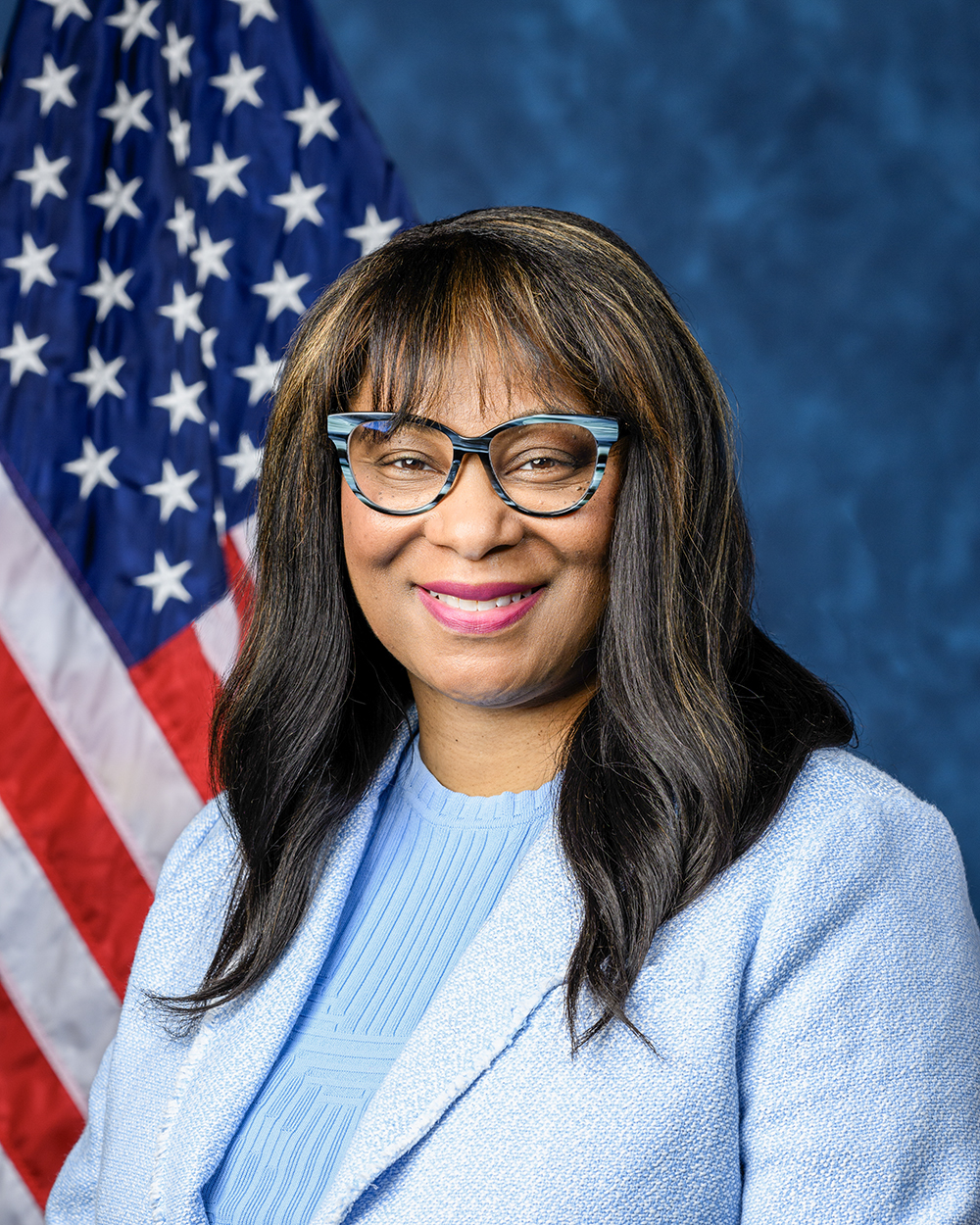
Rep. Janelle S. Bynum
Sponsored bills
Maddy summaryThis bill requires health plans and insurers to create a clear, timely process for patients or doctors to request exceptions when step therapy protocols (which force patients to try cheaper drugs first) might harm them. It mandates approval for exceptions in six specific cases, such as when prior treatments failed, delaying care risks severe harm, or the required drug causes adverse reactions. Plans must respond within 72 hours (24 hours for emergencies) and cover the requested drug for at least one year if approved. Additionally, health plans must report annual data on exception requests, approvals, denials, and reasons to the government for transparency.
Maddy summaryThe HEADACHE Act establishes a National Headache Disorders Initiative (NHDI) under the Department of Health and Human Services to address conditions like migraines, cluster headaches, and other headache disorders affecting vulnerable groups including children, pregnant women, and older adults. It creates an Advisory Council with patient advocates, healthcare providers, and federal agency representatives to guide research, improve diagnosis protocols, and reduce disparities in care. The bill requires federal agencies to share headache-related data and mandates an annual congressional report evaluating progress, disparities across demographics, and recommendations for better access to treatment and stigma reduction, with the initiative set to expire after five years.
Maddy summaryThe Aviation Funding Stability Act of 2025 ensures continued operation of Federal Aviation Administration (FAA) programs during government funding gaps. It allows the FAA to use unspent funds from the Airport and Airway Trust Fund to maintain critical services - including air traffic control, airport infrastructure, and safety research - at the previous fiscal year's funding level if Congress fails to pass a new budget. This prevents shutdowns for up to 30 days or until a new budget is enacted, with spending limited to prior-year rates and subject to existing program rules. The bill directly affects all FAA operations, keeping airports and air traffic systems running during budget delays.
Maddy summaryThis bill creates a FEMA program to help people affected by dangerous wildfire smoke. It targets low-income individuals or those with health conditions (like respiratory issues or pregnancy) living in areas with unhealthy air quality for 3+ consecutive days due to wildfires. The program provides funding for qualified entities (like states or health agencies) to purchase smoke protection equipment - such as air filters, N95 masks, and home sealing items - and offers transitional shelter if equipment alone isn’t sufficient. The relief is tied to specific air quality thresholds and income criteria, directly supporting vulnerable residents during wildfire smoke events.
Maddy summaryHRES 746 is a non-binding resolution passed by the U.S. House of Representatives condemning all political violence - including attacks on elected officials, candidates, and public figures - and rejecting rhetoric that dehumanizes opponents. It specifically urges law enforcement to investigate and prosecute such violence, calls on public officials and media to avoid inflammatory language, and references recent incidents like the 2025 assassination of activist Charlie Kirk and targeted shootings of Minnesota legislators. The resolution does not create new laws but formally expresses the House’s commitment to protecting public servants and promoting peaceful political discourse. It directly affects the House’s public stance and serves as a call to action for officials, media, and communities to foster civil engagement.
Maddy summaryThis bill requires most health insurance plans, Medicare Part D, Medicaid, and CHIP to cover vaccines recommended by the CDC's Advisory Committee on Immunization Practices (ACIP) without cost-sharing (like copays or deductibles). It applies to vaccines recommended as of October 25, 2024, including updates through 2029, and covers all such vaccines for the period starting when the bill is enacted until December 31, 2029. The requirement excludes vaccines given within minimum recommended intervals. It directly affects patients, insurers, and government health programs by ensuring no out-of-pocket costs for covered vaccines during this timeframe.
Maddy summaryThis bill allocates $5 million annually (2026-2030) to states for collecting de-identified stillbirth data through existing health systems, including risk factor analysis. It also provides $1 million yearly to develop standardized guidelines for healthcare providers and public educational materials about stillbirths, requiring consultation with medical professionals, bereavement organizations, and affected families. The bill mandates that all data collection complies with privacy laws and requires the Department of Health and Human Services to publish a public report on stillbirth guidelines within five years. It directly affects state health departments, healthcare providers, and families experiencing stillbirth by improving data quality and access to resources.
Maddy summaryHRES 733 is a symbolic resolution designating the week of September 20-27, 2025, as "National Estuaries Week." It expresses congressional support for raising public awareness about the economic and ecological importance of coastal estuaries, which support millions of jobs, generate significant economic output, and provide critical services like flood protection and habitat for fish and wildlife. The resolution acknowledges estuaries' role in sustaining employment, economic growth, and environmental health without creating new policies or funding. It directly affects the public, government officials, and conservation organizations by highlighting estuaries' value through a designated awareness week.
Maddy summaryThis bill requires the 988 Suicide Prevention Lifeline to establish a dedicated "Press 3" option (via IVR) for LGBTQ+ youth seeking crisis support, directly affecting LGBTQ+ youth who face a four times higher suicide risk than peers. It mandates that at least 9% of funds allocated for the lifeline's services be reserved specifically for these specialized LGBTQ+ youth services. The bill amends existing law to formalize this dedicated resource, building on current services that handled over 1.5 million contacts from LGBTQ+ youth in 2025. This creates a concrete policy change for accessing tailored crisis support without altering other lifeline operations.