

Maddy summaryThe Soil CARE Act of 2023 requires the U.S. Department of Agriculture to establish a training program for its staff and agricultural advisors on regenerative soil health practices. The program, to launch within one year of enactment, will provide online courses and in-person workshops covering soil biology, diversified farming systems (like agroforestry and livestock integration), organic production, and support for small/underserved farmers. It mandates partnerships with land-grant universities, conservation districts, and producer groups to develop the curriculum, which must address climate resilience, carbon sequestration, and tribal knowledge. Funded with $10 million over five years (2024-2028), the training aims to equip USDA personnel to better assist farmers in adopting practices that regenerate farmland and reduce input costs.
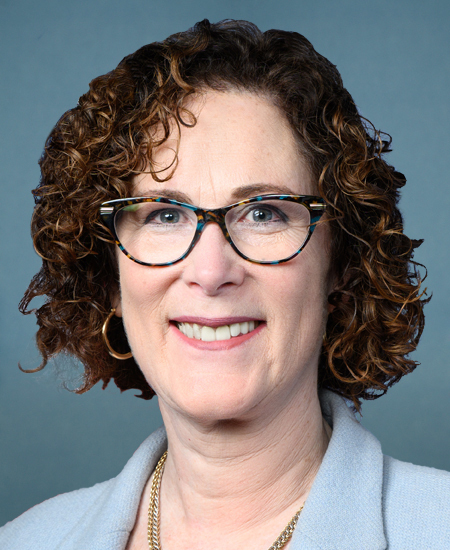
Rep. Val T. Hoyle
Sponsored bills
Maddy summaryThe Transit Emergency Relief Act (HR 7012) amends federal transportation law to provide more flexible funding for public transit agencies facing emergencies. It allows funds designated for emergency relief (under 49 U.S.C. § 5324) to remain available until spent, be used for prior or current fiscal years, and not reduce existing funding. The bill also increases annual funding caps for transit programs and adds $50 million per year (2024-2027) specifically for this emergency relief program. Public transportation agencies receiving federal grants are directly affected, as the changes simplify access to funds during crises while requiring compliance with labor standards (49 U.S.C. § 5333). This creates more predictable support for transit systems recovering from unexpected disruptions.
Maddy summaryThe INSURE Act creates a federal reinsurance program to replace the National Flood Insurance Program, requiring property insurers to offer "all-perils" policies covering specific catastrophe risks like flood, wind, hurricane, wildfire, and eventually earthquake. Insurers participating in the program must implement loss prevention partnerships that encourage investments to reduce catastrophe losses, and will pay quarterly premiums to a Federal Catastrophe Reinsurance Fund. The program will phase in coverage for different perils over eight years, starting with flood coverage (beginning four years after enactment), followed by wind/hurricane (five years), severe storms/wildfire (six years), and earthquake (eight years or when feasibility reports are submitted). The bill also establishes grant programs for states to promote loss prevention investments and provide financial assistance to low-income homeowners struggling with insurance costs.
Maddy summaryThe Affordable Connectivity Program Extension Act of 2024 allocates $7 billion in funding for the Affordable Connectivity Program (ACP) during fiscal year 2024. The ACP provides subsidies to low-income households to help cover the cost of internet service and connected devices like laptops or tablets. This funding ensures the program can continue supporting eligible households throughout the year, with the money remaining available until fully spent. The bill extends existing program funding without changing eligibility criteria or service requirements.
Maddy summaryThis bill (Public Law 118-33, enacted December 26, 2023) amends the Siletz Reservation Act to preserve the existing 1980 Siletz Agreement governing hunting, fishing, trapping, and gathering rights for the Confederated Tribes of Siletz Indians. It requires any future government-to-government agreements between the Tribe and Oregon to be mutually agreed upon, while prohibiting new or expanded fishing rights in the Columbia River or Willamette River (from mouth to Willamette Falls) in any successor agreements. The bill also clarifies that judicial challenges to the 1980 Consent Decree must be reviewed on the merits, without using res judicata as a defense. It does not change existing tribal rights but establishes a framework for updating agreements under specific conditions.
Maddy summaryThis bill amends the Grand Ronde Reservation Act to redefine the reservation boundary as specifically the 84-acre Thompson Strip, replacing a prior description of lands within Oregon. It also prohibits the Confederated Tribes of Grand Ronde from using any land acquired through federal land claim settlements (including land purchased with settlement funds) for gaming under federal law. The amendment applies to the tribe's current and future land holdings related to settlement agreements. The bill explicitly states it does not affect the tribe's existing treaty rights.
Maddy summaryThis bill restricts warrantless surveillance of U.S. persons by amending the Foreign Intelligence Surveillance Act. It limits who can conduct queries of U.S. person data (capping at five personnel per FBI field office), prohibits using such queries for law enforcement without proper authorization, and requires documentation of all queries. The bill creates exceptions for emergencies, consent, and cybersecurity, but prohibits using metadata results to access protected communications. It also limits how information acquired under Section 702 can be used in criminal proceedings, requiring specific approvals for such use.
Maddy summaryThe Affordable Drug Manufacturing Act of 2023 establishes a new Office of Drug Manufacturing within the Department of Health and Human Services to directly manufacture and sell specific prescription drugs. It prioritizes drugs with expired patents or limited manufacturers (like insulin, asthma inhalers, naloxone, epinephrine injectors, and antibiotics) that face high costs or shortages, requiring the Office to produce at least 15 such drugs within one year and 25 within three years. The Office sets "fair prices" based on manufacturing costs, patient access, and impact on competition, while mandating public transparency in all pricing and requiring federal agencies to purchase these drugs. This directly affects patients and consumers by aiming to lower costs and improve access to essential medications through government-manufactured alternatives.
Maddy summaryHR 6641, the Keep America's Waterfronts Working Act, establishes a federal task force to identify and address critical needs of working waterfronts, which are coastal areas used for commercial fishing, boating, aquaculture, and related activities. The bill creates a grant program to help coastal states, Indian Tribes, and Native Hawaiian organizations develop and implement plans to preserve and expand working waterfronts through property acquisition, facility improvements, and climate adaptation measures. It also establishes a loan fund to provide financial assistance for waterfront preservation, with special provisions for disadvantaged communities and requirements for covered entities to develop plans ensuring waterfronts remain available for their intended uses. The legislation authorizes $50 million annually from 2024-2028 for these programs, with reporting requirements to track implementation and effectiveness.
Maddy summaryThe Workers POWER Act (HR 6634) strengthens federal labor enforcement by expanding staffing and resources for the Department of Labor's Wage and Hour Division and Occupational Safety and Health Administration (OSHA). It creates new paid student positions (5 in Washington, DC, plus 2 per regional office), establishes child labor fellowships (5 per agency), and increases student loan repayment benefits for eligible employees. The bill also authorizes performance-based bonuses, retention incentives, and $250 million annually in grants to states to improve their labor enforcement capacity. These changes directly affect Department of Labor enforcement staff and state/local labor agencies working to address wage theft, child labor, and workplace safety violations.