

Maddy summaryHR 3962, the ESTUARIES Act, extends a deadline within the National Estuary Program. It amends Section 320(i)(1) of the Federal Water Pollution Control Act by changing the year "2026" to "2031" in a requirement related to program management. This change directly affects the National Estuary Program, which oversees coastal water quality protection and restoration efforts. The bill makes a specific procedural adjustment to the program's timeline without altering its core policies or funding.
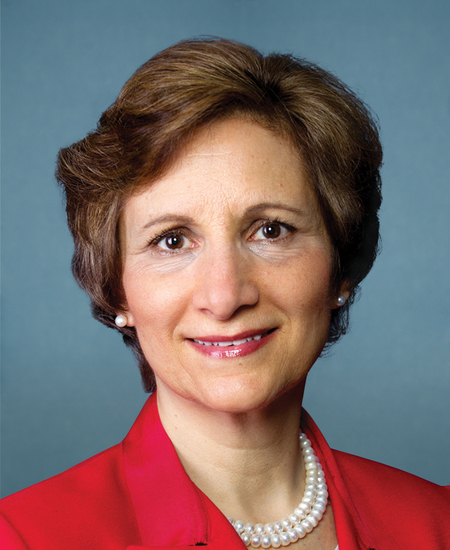
Rep. Suzanne Bonamici
Sponsored bills
Maddy summaryThe Protect America's Workforce Act cancels an executive order issued on March 27, 2025, that excluded certain groups from federal labor-management relations programs, making it legally unenforceable. It also ensures that all collective bargaining agreements between federal agencies and labor unions, which were active as of March 26, 2025, remain fully effective until their agreed terms expire. This directly affects federal agencies, labor unions, and the employees covered by these agreements. The bill prevents federal funds from being used to implement the canceled executive order while preserving existing labor agreements.
Maddy summaryThe TALENTS Act establishes the Presidential Management Fellows Program to recruit recent advanced degree holders for leadership development in federal agencies. It requires fellows to complete 80 hours of annual training, develop individual development plans within 90 days of starting, and complete rotational assignments with management responsibilities. The program provides a pathway for fellows to convert to competitive service positions after completing the 2-year program, with agencies required to provide developmental opportunities and evaluate fellows for certification. The Act also establishes Federal Executive Boards in 36 metropolitan areas to coordinate program implementation and support agency leadership development activities.
Miracle on Ice Congressional Gold Medal Act This act provides for the award of Congressional Gold Medals to the members of the 1980 U.S. Olympic men's ice hockey team in recognition of the team's achievement at the 1980 Winter Olympic Games.
Maddy summaryThe Empowering App-Based Workers Act requires digital labor platforms (like ride-hail and delivery services) to disclose how they use algorithms and electronic monitoring tools to determine worker pay and assignments. It caps the percentage of consumer payments that platforms can keep (take rate) at 25% for ride-hail services and mandates detailed weekly pay statements showing compensation, take rate, and other work metrics. The bill prohibits platforms from using algorithms to set different pay rates for similar work based on protected characteristics like race or gender. These provisions directly affect app-based workers, platform companies, and consumers, aiming to create more transparent and fair working conditions in the gig economy. The bill does not override existing state or local laws that provide greater protections for workers.
Maddy summaryThe Keeping All Students Safe Act prohibits the use of unlawful seclusion and restraint in schools receiving federal funding, including physical restraint that restricts breathing or blood flow, chemical restraint not prescribed for medical treatment, and mechanical restraint. The bill requires schools to use less restrictive interventions first, mandates that staff using physical restraint be trained and certified through State-approved programs, and requires immediate parent notification after any restraint incident. States must develop plans to monitor compliance, collect and report data on restraint incidents (disaggregated by race, disability status, and school type), and implement positive behavioral interventions. The bill provides $40 million annually for five years to support states in implementing these requirements and improving school climate through evidence-based approaches.
Maddy summaryThe Opportunities for Success Act of 2025 amends the Higher Education Act to increase funding for work-based learning programs, authorizing $1.5 billion in 2027 and rising to $2.5 billion annually by 2031. The bill requires institutions to allocate at least 7% of work-study funds to compensate students in work-based learning positions and at least 3% to students with "exceptional need" during periods of nonenrollment. It defines "work-based learning" to include internships, fellowships, and apprenticeships, and establishes new metrics for determining which institutions qualify as "improved institutions" for funding allocation. The legislation also mandates new surveys to evaluate program effectiveness and requires institutions to prioritize students with Federal Pell Grants and exceptional need.
Maddy summaryThis concurrent resolution (HCONRES 65) is a symbolic congressional commendment of state and local governments that have affirmed reproductive rights as human rights. It recognizes efforts by jurisdictions like Carrboro, North Carolina; Austin, Texas; and Fulton County, Georgia, which passed resolutions or proclamations declaring abortion access a human right and condemning criminalization of pregnancy outcomes. The resolution urges states to repeal restrictive abortion laws and protect access to reproductive care, but it does not create new legal requirements or fund programs. As a procedural resolution, it has no binding effect on federal or state law.
Maddy summaryHR 6565, the Reuniting Families Act, would significantly reform family-based immigration by reclassifying spouses, permanent partners, and minor children of legal permanent residents as "immediate relatives," eliminating current visa backlogs for these family members. The bill creates a new legal definition of "permanent partner" to provide equal treatment for same-sex partners in immigration processes, expanding eligibility for family-based visas. It increases the worldwide level of family-sponsored immigrant visas and adjusts allocation numbers to reduce processing delays, while also providing specific relief for orphans, widows, widowers, and certain Filipino veterans. The bill also expands refugee family reunification provisions and increases diversity visa numbers from 55,000 to 80,000. These changes would directly affect family members seeking to reunite with U.S. citizens or legal permanent residents through family-based immigration pathways.
Maddy summaryHR 6597, the LET’S Protect Workers Act, increases civil penalties for employers violating key labor laws to strengthen worker protections. It raises fines for child labor violations to up to $700,000 per incident causing death or serious injury, and doubles penalties for repeated wage/hour violations (up to $50,000 per violation). The bill also significantly boosts OSHA penalties (e.g., up to $800,000 for serious violations), adds new retaliation penalties for mine safety violations (up to $200,000 for repeat offenses), and clarifies that recordkeeping violations continue until corrected. These changes apply to employers across sectors, including manufacturing, agriculture, and mining, under the Fair Labor Standards Act, Occupational Safety and Health Act, and Mine Safety Act.