

Maddy summaryHR 6734 prohibits the use of federal funds to finalize, implement, or enforce the Bureau of Alcohol, Tobacco, Firearms, and Explosives' (ATF) proposed rule (2022R-17) defining "engaged in the business as a dealer in firearms." This bill directly affects the ATF by blocking funding for this specific regulatory rule, which was proposed in August 2023. The legislation does not create new requirements but prevents federal resources from being used to advance this particular ATF regulation.
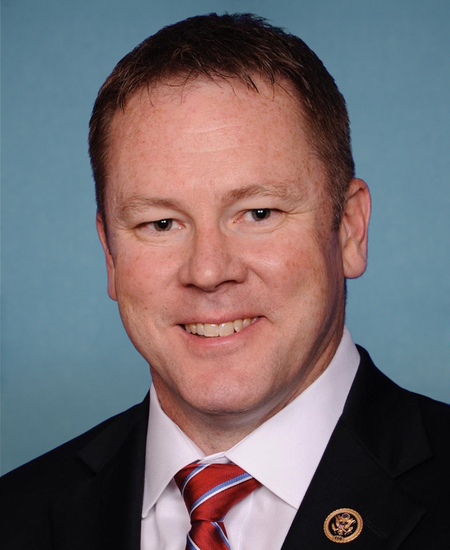
Rep. Warren Davidson
Sponsored bills
Maddy summaryHR 5472, the FinCEN Oversight and Accountability Act of 2023, requires the Treasury Secretary to share key FinCEN policies and documents with Congress and the public, including all "controlling documents" (like directives, regulations, and policies) governing FinCEN’s enforcement of anti-money laundering rules under the Bank Secrecy Act. It also extends the requirement for the FinCEN Director to testify before Congress from every 5 years to every 10 years. Additionally, the bill mandates an annual small business working group to discuss beneficial ownership reporting effectiveness and provide guidance to small businesses, though it specifies no new funding is provided for this group. This bill directly affects FinCEN operations, congressional oversight, and small businesses subject to beneficial ownership reporting requirements.
Maddy summaryThis bill allows private individuals or companies facing SEC enforcement actions to request the SEC terminate its administrative case within 20 days of notice. If they exercise this option, the SEC may instead file a civil lawsuit seeking the same penalties (like fines or cease-and-desist orders) in federal court. The civil case must follow standard venue rules under federal law. It changes the procedural path for enforcement but does not alter the penalties the SEC can seek.
Maddy summaryHR 6619, the PATROL Act, prevents the federal government from suing states for building border barriers. It specifically blocks the Attorney General from filing civil lawsuits under the 1899 Act against states that construct physical barriers (like walls, fences, or buoys) along the border to stop illegal entry or protect state territory. The law directly affects states building such barriers and the federal government’s legal authority to challenge those actions. This is a procedural change that removes a legal obstacle for states pursuing border security measures.
Maddy summaryThis bill restricts warrantless surveillance of U.S. persons by amending the Foreign Intelligence Surveillance Act. It limits who can conduct queries of U.S. person data (capping at five personnel per FBI field office), prohibits using such queries for law enforcement without proper authorization, and requires documentation of all queries. The bill creates exceptions for emergencies, consent, and cybersecurity, but prohibits using metadata results to access protected communications. It also limits how information acquired under Section 702 can be used in criminal proceedings, requiring specific approvals for such use.
No Regulation Through Litigation Act of 202 3 This bill specifies that a federal agency may not enter into a consent decree that exceeds the authority of the court that enters the order related to the decree. It also limits the inclusion of attorney fees or litigation costs in consent decrees or settlement agreements that result in a regulation or guidance document.
Maddy summaryHR 6612, the Birthright Citizenship Act of 2023, clarifies who qualifies for U.S. citizenship at birth under the 14th Amendment. It amends immigration law to define that a child born in the U.S. is "subject to the jurisdiction" for citizenship if one parent is a U.S. citizen, a lawful permanent resident living in the U.S., or an active-duty military member. The bill directly affects children born in the U.S. to parents in these specific categories, ensuring they meet the citizenship definition without altering the constitutional right itself. It explicitly states this definition applies only to births occurring after the law's enactment, leaving existing citizenship status unaffected for those born before. The bill aims to codify existing constitutional principles through specific, narrow criteria for parental status.
Maddy summaryHRES 905 is a House resolution commemorating the 200th anniversary of the Monroe Doctrine, first articulated by President James Monroe in 1823. The resolution formally recognizes the doctrine's historical significance in establishing U.S. policy against foreign colonization in the Western Hemisphere and its enduring influence on U.S. foreign policy. It resolves that the House will "commemorate" the anniversary, "reassert" the U.S. position against foreign malign influence threatening Western Hemisphere democracies, and "recognize" the doctrine's principles as a foundational element of U.S. foreign policy. This is a purely ceremonial resolution with no new policy or funding implications.
Maddy summaryHR 6504, the Protect American Gun Exporters Act, blocks the Department of Commerce from implementing a pause on new export licenses for specific firearm exports (items under Commerce Control List numbers 0A501, 0A502, 0A504, and 0A505). The bill directly affects U.S. gun exporters by preventing the Commerce Secretary from enforcing the October 2023 pause or similar restrictions on these exports. Key provisions prohibit the Secretary from taking any action to carry out the pause unless it follows standard regulatory processes, including a required impact analysis and compliance with the Administrative Procedure Act and Congressional Review Act. This bill does not create new export rules but stops the existing pause on certain firearm exports.
Maddy summaryH.J.Res. 66 disapproves a specific rule issued by the Consumer Financial Protection Bureau (CFPB) regarding small business lending under the Equal Credit Opportunity Act (Regulation B). The resolution, if passed, would prevent this CFPB rule from taking effect by declaring it "have no force or effect." The rule in question (88 Fed. Reg. 35150) aimed to clarify how lenders must evaluate small business loan applications under existing equal credit laws. This disapproval directly affects the CFPB's regulatory authority and would block the rule's implementation for small business lenders and financial institutions.