

Maddy summaryHR 5122, the NASA Talent Exchange Program Act, establishes a formal process for temporary, paid exchanges between NASA civil servants and private sector employees. It allows NASA to assign its employees to private companies (or vice versa) for up to two years (renewable to a maximum of three years total), requiring a written agreement that mandates employees return to federal service for twice the assignment duration. The program includes strict safeguards, such as prohibiting access to sensitive information, limiting participation to 2% of NASA's workforce, and requiring annual reports to Congress on participation numbers, roles, and program impacts. Key provisions also prevent private entities from charging federal costs for employee pay during assignments and mandate oversight to avoid conflicts of interest or circumventing workforce rules.
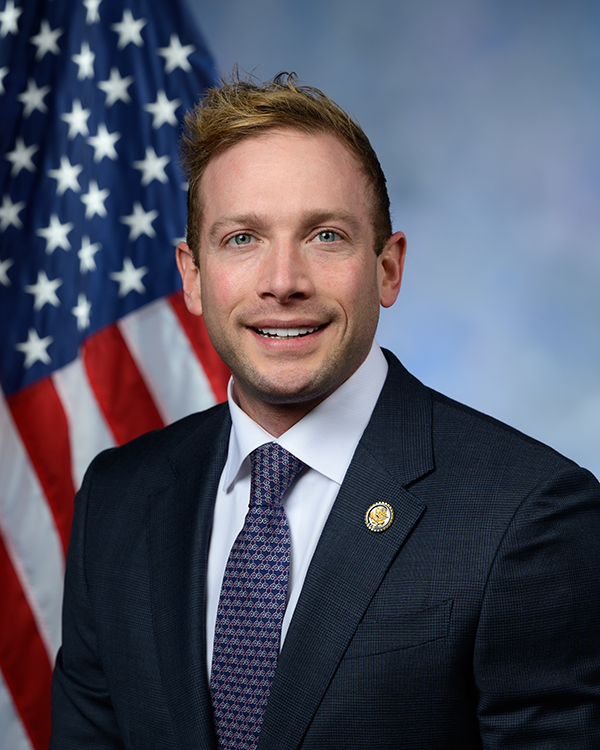
Rep. Max L. Miller
Sponsored bills
Maddy summaryHJRES 116 is a ceremonial resolution honoring 13 U.S. service members who died in the August 26, 2021, Abbey Gate bombing at Kabul's airport. It designates a National Day of Remembrance for those who perished during the Afghanistan withdrawal, expresses condolences to their families, and commemorates their service. The resolution does not create new policies or funding but formally recognizes their sacrifice and the role they played in saving lives during the evacuation. It directly affects the Gold Star families of the named service members and the broader public through this national acknowledgment.
Maddy summaryHR 5024, the Transit Funding Flexibility Act, removes a population restriction that previously limited certain federal transit grants to urban areas with fewer than 200,000 residents. It requires transit agencies receiving these grants to annually certify they maintain local funding for operating costs covered by federal money. If an agency fails to maintain this local funding, the bill mandates a 1/3 reduction in their next year's federal grant amount. This bill directly affects public transit agencies in smaller urban areas that now gain access to operating cost funding, while requiring them to sustain local financial commitments.
Maddy summaryHRES 628 is a ceremonial resolution recognizing the 20th anniversary of the Renewable Fuel Standard (RFS), a policy established in 2005 and expanded in 2007. It highlights the RFS's historical role in supporting rural economies (through 2,700+ renewable fuel facilities and 644,000 jobs), reducing greenhouse gas emissions via mandatory fuel standards, and lowering consumer fuel costs. The resolution does not create new policy or alter the RFS; it solely commemorates the program's past impacts on energy security, agriculture, and environmental performance. It affirms the RFS as a foundational element of U.S. energy policy without proposing any legislative changes.
Maddy summaryHR 4863, the Fairness for Khobar Act of 2025, provides lump sum catch-up payments to victims of the 1983 Beirut barracks bombing and 1996 Khobar Towers bombing who were previously denied compensation due to confusing Department of Justice guidance. The bill requires the Special Master to authorize these payments to individuals who relied on outdated guidance stating they could not apply for lump sum payments if already eligible for regular distributions. Victims can prove their reliance through documentation, sworn statements, or other methods approved by the Special Master. Payments will be made from a reserve fund or the main compensation fund, ensuring those who were wrongly excluded can now receive full compensation they were entitled to under the law.
Maddy summaryThe NEPTUNE Act allows the U.S. Navy to contract for up to two new submarine cable laying and repair ships to maintain undersea telecommunications infrastructure. It requires the Navy to keep the existing USNS Zeus operational until a replacement ship with equal or better capabilities achieves full operational status. The bill limits the Navy’s financial liability for contract termination and ties payments to available funding. This directly affects Navy procurement and operations related to protecting critical undersea internet and communication cables. The legislation focuses on maintaining continuity of these essential infrastructure assets.
Maddy summaryThis bill creates a 50% tax credit for qualified infertility treatments, allowing eligible individuals to reduce their federal income tax by half their eligible expenses. It directly affects people diagnosed with infertility or those needing fertility preservation (e.g., before cancer treatment) who pay for physician-provided care. The credit is capped at $5,000 annually (adjusted for inflation), phases out for taxpayers with adjusted gross income over $40,000, and cannot be claimed if expenses are covered by insurance or other programs. The credit applies to tax years beginning after December 31, 2024.
Veterans' Assuring Critical Care Expansions to Support Servicemembers Act of 2025 or the Veterans' ACCESS Act of 2025 This bill addresses the administration of the Veterans Community Care Program (VCCP) and other Department of Veterans Affairs (VA) health care matters. Among other provisions regarding the VCCP, the bill establishes in statute access standards that determine when a veteran is eligible to receive non-VA care through the VCCP, requires the VA to notify veterans regarding their eligibility for care within two business days after the VA is aware the veteran is seeking care, and extends the deadline for the submittal of claims under the VCCP by health care entities and providers. The VA must address its mental health treatment programs by establishing a standardized screening process to determine whether a veteran satisfies criteria for priority or routine admission to a mental health residential rehabilitation treatment program or a program for residential care for mental health and substance abuse disorders, tracking the performance of medical facilities and Veterans Integrated Service Networks in meeting the requirements for mental health treatment screenings and timely admission to treatment programs under such screenings, and establishing an appeal process for when a veteran is denied admission to a covered treatment program or is accepted into a program but not offered bed placement in a timely manner. Additionally, the VA must establish an online self-service module for veterans to request and manage appointments, track referrals, and appeal and track decisions related to requests for care.
Maddy summaryThis bill establishes two grant programs to support construction and manufacturing apprenticeship colleges. It provides up to $500,000 per college for community outreach (e.g., connecting with high schools, rural businesses, and workforce boards) and student support services (e.g., academic advising, mental health resources, childcare). The grants target increasing enrollment and completion rates for underrepresented groups, including rural students, first-generation college students, and minorities. Funding of $5 million annually (2026-2030) requires colleges to report on program outcomes like retention rates and diversity metrics. The law directly affects apprenticeship colleges offering work-based training in construction and manufacturing fields.
Maddy summaryHRES 588 is a non-binding House resolution condemning the slogan "Globalize the Intifada" as a call to violence against Israeli and Jewish people worldwide. It urges U.S. national, state, and local leaders to publicly denounce the slogan, which the resolution characterizes as undermining safety and security. The resolution cites historical context of violence during past intifadas and recent antisemitic incidents to support its position. As a symbolic measure, it has no legal effect but aims to encourage leaders to reject the slogan.