

Maddy summaryHRES 864 is a ceremonial resolution honoring U.S. veterans on Veterans Day 2025. It does not create new laws or policies but formally recognizes veterans' service and sacrifice, calling on all Americans to observe Veterans Day. The resolution references historical context about Veterans Day's origins (from Armistice Day to honoring all veterans) but contains no concrete policy changes. It directly addresses the general public, urging them to participate in the observance. As a non-binding resolution, it affects no specific individuals or groups through legislative action.
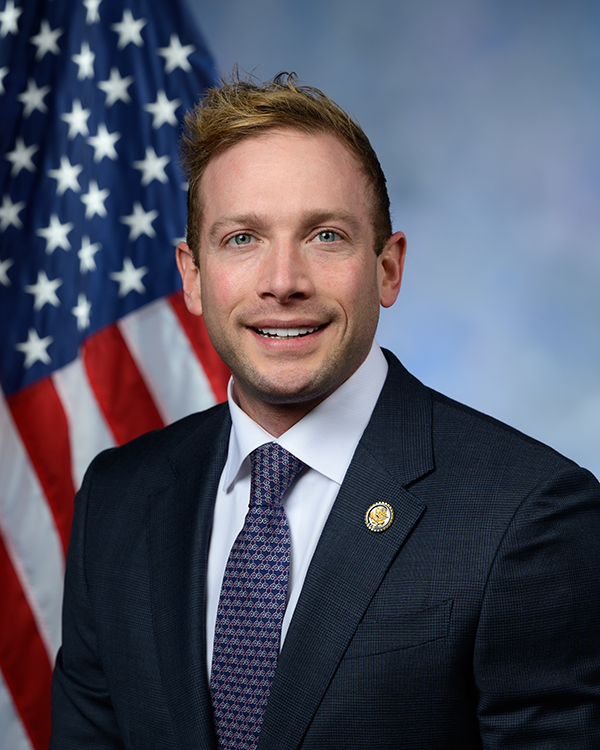
Rep. Max L. Miller
Sponsored bills
Maddy summaryThis bill ensures that critical firearm-related government operations continue during federal shutdowns. It designates background checks (via the FBI's National Instant Criminal Background Check System), Bureau of Alcohol, Tobacco, Firearms and Explosives enforcement, and firearm export licensing (handled by Commerce and State Departments) as essential services that must remain operational. These functions would be treated as "excepted" under federal law, meaning their employees would continue working even if other government services halt. The bill affects how background checks and firearm export licenses are processed during shutdowns but does not change gun ownership laws or eligibility.
Prevent Government Shutdowns Act This bill provides continuing appropriations to prevent a government shutdown if the appropriations bills for a fiscal year have not been enacted before the fiscal year begins and continuing appropriations are not in effect. Specifically, the bill provides appropriations at the rate of operations that was provided for the prior fiscal year to continue programs, projects, and activities that were funded in the preceding fiscal year. The bill also limits official travel, congressional recesses or adjournments, and the consideration of legislation that is unrelated to appropriations after the beginning of a fiscal year if the appropriations process has not been completed.
Maddy summaryThis House resolution condemns Hamas for killing civilians in Gaza since the October 10, 2025 ceasefire, citing executions used to suppress dissent. It references Hamas’s U.S. designation as a Foreign Terrorist Organization and reaffirms U.S. support for the ceasefire and civilian safety. As a non-binding statement, it does not create new laws or policies but expresses diplomatic disapproval of Hamas’s actions. The resolution directly addresses Hamas’s conduct and the U.S. position on Gaza stability.
Maddy summaryHR 5835, the REPO Implementation Act of 2025, establishes a mechanism to use frozen Russian sovereign assets held abroad for Ukraine's benefit. It creates a "Ukraine Support Fund" to hold these assets without confiscation and requires the U.S. Treasury to invest them in U.S. government obligations. The bill mandates quarterly transfers of at least $250 million from the fund to Ukraine for assistance, with final amounts spent when less remains. It also requires the President to report to Congress on Russian assets held by foreign countries (including G7/EU members) and urges diplomatic efforts to secure similar asset repurposing from those nations.
Maddy summaryThis bill ensures SNAP (food stamp) benefits continue uninterrupted during government funding gaps in fiscal year 2026. It directs the USDA to use existing Treasury funds to pay SNAP benefits if Congress fails to pass a full-year budget for the Department of Agriculture by September 30, 2025. The bill also covers retroactive payments for missed benefits starting September 30, 2025, through the bill's enactment date. Benefits funded this way stop once Congress enacts a full FY2026 budget for the USDA. It directly affects SNAP recipients who rely on these benefits during budget delays.
Maddy summaryThe American Workforce Act creates a federal program that provides paid, full-time training positions with on-the-job work and educational components for U.S. citizens without bachelor's degrees who want to enter high-wage, high-demand industries. Employers participating in the program receive workforce education subsidies (up to $9,000 per trainee) to cover training costs, while trainees earn wages meeting minimum wage standards. The program requires employers to provide structured training plans, maintain wage standards, and report on outcomes including completion rates and trainee earnings. The Director of the American Workforce Division oversees the program, approves contracts, and enforces compliance through investigations and disciplinary actions. The program is set to sunset 11 years after enactment or after a 10-year evaluation report is submitted to Congress.
Maddy summaryHR 647, the Ensuring Veterans’ Final Resting Place Act of 2025, amends a provision in U.S. Code (38 U.S.C. § 2306(h)) to change how burial benefits are provided for veterans. It removes the requirement that a veteran’s family must provide an urn or plaque for the Department of Veterans Affairs (VA) to offer additional burial benefits; the VA will now automatically provide these benefits regardless of whether the family supplies such items. This change directly affects veterans’ families arranging burial services, making it easier to access burial benefits without needing to procure specific items first. The amendment applies to veterans who die on or after January 5, 2021, updating existing eligibility rules.
Maddy summaryHRES 806 is a symbolic resolution supporting the recognition of October 2025 as "National Breast Cancer Awareness Month." It does not create new laws, allocate funding, or directly affect specific groups - it simply urges the House to acknowledge this annual observance. The resolution cites statistics on breast cancer diagnoses and disparities (e.g., higher mortality in Black women) to underscore the importance of awareness, but the bill itself contains no policy changes. As a procedural resolution, it serves only to express congressional support for public awareness efforts during that month.
Maddy summaryThe Black Vulture Relief Act authorizes livestock producers and their employees to remove or kill black vultures (Coragyps atratus) that are causing or likely to cause harm to livestock, bypassing standard protections under the Migratory Bird Treaty Act. It prohibits using poison for this purpose and requires annual reports to the U.S. Fish and Wildlife Service about such actions, using a simplified form. The law specifically targets vultures threatening livestock as defined in existing federal agriculture law, with reporting deadlines starting after a form is developed by the Fish and Wildlife Service.