

Maddy summaryH.J.Res. 88 disapproves an Environmental Protection Agency (EPA) rule that would have allowed California to enforce its "Advanced Clean Cars II" vehicle emission standards. This rule, submitted by the EPA on January 6, 2025, sought to grant California a waiver to override federal preemption for its stricter vehicle pollution controls. The resolution, passed by Congress and signed into law on June 12, 2025, formally nullifies the EPA rule, preventing California from implementing its Advanced Clean Cars II program under this specific waiver. The bill directly affects California's ability to set its own vehicle emission standards for passenger cars and light trucks.
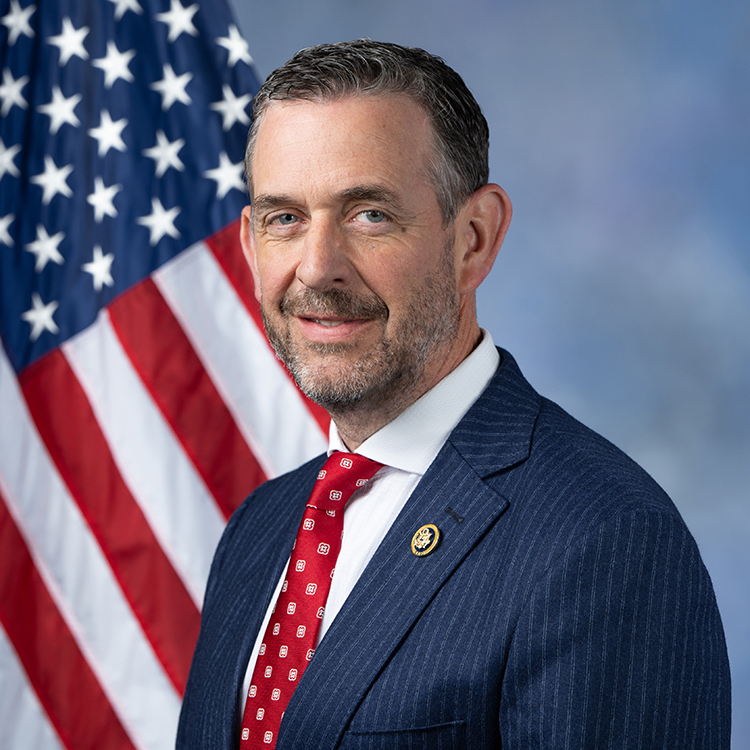
Rep. Michael A. Rulli
Sponsored bills
Maddy summaryHJRES 89 is a congressional disapproval resolution that blocks an Environmental Protection Agency (EPA) rule concerning California's vehicle and engine pollution standards. The resolution specifically targets the EPA's "Omnibus Low NOX Regulation" and waiver of preemption, which would have allowed California to enforce stricter emissions rules. By disapproving this rule under Chapter 8 of Title 5 U.S. Code, Congress has nullified the EPA's action, meaning the regulation will have no legal effect. This directly affects the EPA's authority to approve California's state-level pollution control standards for motor vehicles.
Maddy summaryThe CREATE JOBS Act changes business tax rules to provide more immediate deductions. It allows businesses to immediately deduct 100% of the cost for qualifying equipment and machinery (instead of depreciating over time), eliminates the 60-month amortization requirement for research costs (allowing immediate deduction), and creates a new real estate depreciation system that adjusts deductions based on inflation with a minimum annual 3% increase. These changes primarily affect businesses that purchase equipment, conduct research, or own rental properties. The bill's provisions apply to property placed in service before, on, or after enactment, with research-related changes applying to taxable years beginning after December 31, 2021.
Maddy summaryHRES 506 is a non-binding House resolution expressing support for preserving Social Security. It states the House believes Social Security must be protected for current beneficiaries (over 66 million Americans receiving retirement, disability, and survivor benefits) and future generations. The resolution emphasizes that workers’ payroll taxes create a promise of income security that should be honored. It does not create new law or change policy - it solely reflects the House’s position. The resolution was introduced by multiple representatives and referred to the Ways and Means Committee.
Maddy summaryThis bill prohibits male students from participating in athletic programs at the U.S. Military Academies (West Point, Annapolis, and Air Force Academy) designated exclusively for women or girls. It allows males to train with such teams only if no female athlete loses a roster spot, competition opportunity, scholarship, or other benefit. The bill defines "sex" as biological sex at birth and clarifies that "athletic programs" include all team-based activities requiring participation. It directly affects the women's sports teams at these three service academies and their eligibility rules.
Maddy summaryHR 3929, the GAMBLER Act, creates a new "Border Enforcement Trust Fund" to cover U.S. Immigration and Customs Enforcement (ICE) costs for apprehending, detaining, and deporting individuals without legal status. The bill redirects existing excise tax revenue (such as taxes on gambling or tobacco) to this trust fund, rather than increasing taxes on citizens. It aims to fund border enforcement operations without requiring new congressional appropriations or raising taxes. The bill directly affects ICE's budget for enforcement, detention, and removal activities by providing a dedicated funding source from excise taxes.
Maddy summaryHRES 497 is a non-binding House resolution expressing support for designating June as "Veterans Appreciation Month." It does not create new programs or laws but formally acknowledges veterans' service and sacrifices through a symbolic gesture. The resolution cites veterans' global contributions, their personal sacrifices, and June's timing relative to Memorial Day and D-Day as reasons for the designation. It directly affects no individuals or entities, as it serves only as a statement of congressional support.
Maddy summaryHR 3894, the SAFE Cities Act, requires the Attorney General to publish and update every 180 days a list of jurisdictions (states or local governments) that refuse to stop violence and property destruction, based on specific criteria like blocking police intervention or defunding law enforcement. The bill directs the Office of Management and Budget to issue guidance restricting federal grant eligibility for these jurisdictions, to the extent permitted by law. It would directly affect local or state governments meeting the defined criteria, potentially limiting their access to federal funding. The law focuses on creating a federal mechanism to identify and financially disfavor jurisdictions with policies deemed insufficient for public safety.
Maddy summaryHR 3870, the COAL POWER Act, repeals a specific Environmental Protection Agency (EPA) rule issued on May 7, 2024, which set emission standards for coal- and oil-fired power plants. This bill directly affects coal and oil-fired electric utilities by removing their requirement to comply with that particular EPA regulation (89 Fed. Reg. 38508). The key mechanism is a straightforward repeal, treating the rule as if it never took effect. The bill does not create new rules or alter existing environmental standards beyond this specific EPA action.
Maddy summaryHR 3843, the Baseload Reliability Protection Act, prohibits the retirement or fuel-source conversion of certain large, reliable power plants (over 25 megawatts, not relying on intermittent renewables like solar/wind without storage) in areas designated as high or elevated risk for electricity shortages. It directly affects power plant operators in these high-risk regions, requiring them to maintain existing facilities unless they qualify for an exemption. Exemptions can be granted if operators demonstrate financial hardship, safety risks, or prove they’ll replace the plant with a comparable reliable unit, with potential federal grants or loans from the Department of Energy to cover operational costs. The bill explicitly blocks consideration of greenhouse gas emissions in exemption decisions and mandates standardized risk assessment criteria for identifying high-risk areas.