

Maddy summaryThis bill, titled the Protect Domestic Oil and Gas Small Business Act of 2026, exempts small oil and gas wells from specific environmental regulations under the Clean Air Act. It directly affects owners and operators of marginal wells, defined as sites producing 15 barrels of oil or less per day, or 90,000 cubic feet of natural gas or less per day. The legislation removes requirements for monitoring, reporting, and leak detection for these smaller operations, while also mandating that the EPA approve any state plan revisions granting this exemption within 180 days. Additionally, the bill requires the EPA to update its regulations to reflect these changes and to terminate any ongoing enforcement actions against marginal wells that were initiated before the law takes effect.
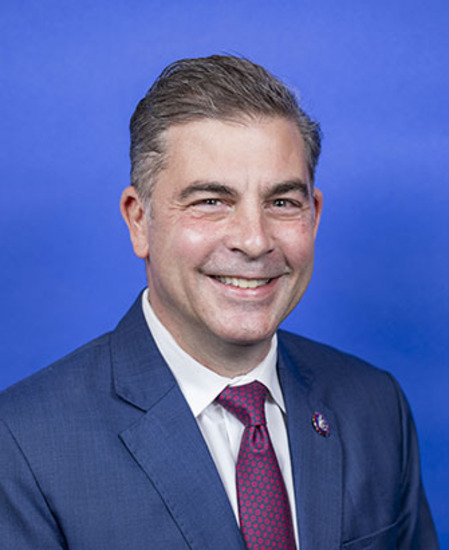
Rep. Mike Carey
Sponsored bills
Maddy summaryThis bill would add pharmacist services to Medicare Part B coverage for beneficiaries, specifically covering pharmacist-led testing and treatment for illnesses like flu, COVID-19, or strep throat during public health emergencies. It defines covered services as those performed under state law, often requiring collaboration with a physician, and sets payment at 80% of the lesser of the actual charge or 85% of physician payment rates. Pharmacists would be prohibited from balance billing for these services, ensuring Medicare beneficiaries pay only their standard copayment. The changes would take effect January 1, 2026.
Maddy summaryThis bill authorizes the U.S. Mint to produce commemorative $5 gold and $1 silver coins marking the 25th anniversary of the September 11, 2001, terrorist attacks. The coins must feature designs honoring victims and first responders (including the inscription "Never Forget") and will be sold only during 2027-2028. All surcharges ($35 per gold coin, $10 per silver coin) collected from sales will fund the National September 11 Memorial and Museum at the World Trade Center, with no net cost to the federal government. The coins are legal tender but primarily intended for collectors, not circulation.
Maddy summaryThe Smithsonian American Women’s History Museum Act authorizes the creation of a new Smithsonian museum dedicated to women’s history, to be located within the National Mall Reserve in Washington, D.C. If the site is managed by another federal agency, the bill requires that agency to transfer the land after notifying Congress and relevant committees. The museum must ensure exhibits and programs accurately represent diverse women’s experiences by consulting a broad range of experts and community voices. The Smithsonian will submit biennial reports to Congress detailing how the museum meets these representation standards.
Maddy summaryThe Dietary Supplements Access Act allows individuals to use funds from specific tax-advantaged health accounts to purchase dietary supplements without paying income taxes on those withdrawals. This legislation directly affects holders of Health Savings Accounts, Archer Medical Savings Accounts, and Health Flexible Spending Arrangements by permitting up to $500 per year in tax-free spending on these products, with a lower limit of $250 for married couples filing separately. The bill explicitly defines dietary supplements according to federal law but excludes energy drinks, soft drinks, and sodas from this benefit. These tax advantages will only become effective for expenses incurred after December 31, 2025.
Maddy summaryThe Upward Mobility Act of 2026 would establish a 5-year pilot program allowing up to 5 states to consolidate multiple antipoverty programs - including SNAP, TANF, child care assistance, housing benefits, and energy assistance - into a single grant. States would design new benefit structures that reduce "benefit cliffs" (where increased earnings lead to loss of benefits) to improve employment outcomes and reduce reliance on direct assistance. The bill requires states to measure outcomes like employment rates, earnings, and reduced dependence on benefits using third-party evaluations, with participants not receiving additional benefits outside the pilot. States would receive grants based on previous funding from these programs, while maintaining emergency contingency funds for crisis periods.
Maddy summaryThis bill, known as the Digital Asset PARITY Act, updates U.S. tax laws to clarify how digital assets are treated for income, capital gains, and charitable contributions. It primarily affects individuals and businesses that buy, sell, or hold cryptocurrencies and other digital tokens by establishing specific rules for stablecoins, mining, and staking activities. Key provisions include exempting regulated payment stablecoins from immediate gain recognition when traded at a price near $1, expanding the definition of "specified assets" to include digital assets for wash-sale rules, and allowing taxpayers to defer income on newly created assets earned through validation activities like mining or staking. The legislation also introduces stricter reporting requirements for charitable donations of digital assets and directs the Treasury Department to study ways to reduce compliance burdens for small, personal consumer transactions.
Maddy summaryThe CAL Repayment Act requires states to immediately use any federal funds received for unemployment insurance to repay outstanding advances before spending them on other purposes. This rule applies to all states and mandates that they make these repayments within five business days of the funds becoming available. If a state fails to follow this order and uses the money elsewhere first, it must return the full amount to the federal government within five days of being notified. The law takes effect for any unemployment insurance funds awarded after the bill is enacted.
Maddy summaryThe No Wasted Space Act creates a nine-member Commission to study potential future uses for the Arts and Industries Building on the National Mall. This commission will include representatives appointed by Senate and House leadership, as well as the Smithsonian Board of Regents, and must consist of individuals with expertise in museums, urban planning, and education. The group is tasked with producing a report that evaluates the building's conversion costs, fundraising options, and legislative needs for its long-term operation without relying on federal funds. The commission will also recommend a new name for the building and will dissolve once it submits its final recommendations to the President and Congress.
Nationwide Consumer and Fuel Retailer Choice Act of 2025 This bill amends the Clean Air Act to address the limitations on Reid Vapor Pressure (a measure of gasoline's volatility) that are placed on gasoline during the summer ozone season. Specifically, the bill applies the waiver for Reid Vapor Pressure requirements that is applicable to gasoline blended with 10% ethanol (E10) to gasoline blended with up to 15% ethanol (E15). This change allows gasoline that is blended with 10% to 15% ethanol to be sold year-round. Currently, states may be excluded from the waiver for Reid Vapor Pressure requirements by submitting documentation supporting that the waiver would increase air pollution. The bill nullifies existing state exclusions, but states may submit documentation after enactment of the bill to be excluded going forward. The bill also modifies the Renewable Fuel Standard Program, which requires transportation fuel sold or introduced into commerce in the United States to contain minimum volumes of renewable fuel. Under the existing program, obligated parties, such as small refineries, must satisfy the volume obligations by either blending renewable fuels into their gasoline or diesel fuel products or by acquiring credits that represent the required renewable fuel volume. The bill directs the Environmental Protection Agency to return compliance credits to small refineries under certain circumstances.