

Maddy summaryHRES 307 is a symbolic House resolution expressing support for National Child Abuse Prevention Month. It does not create new laws or funding but formally recognizes child abuse as preventable and affirms the need for public awareness, survivor healing, and justice. The resolution specifically supports efforts to increase education about child abuse prevention, aid survivors, and calls for more federal investment in prevention and support programs. It directly affects the public and organizations working on child abuse prevention by affirming congressional backing for their work. This resolution has no binding effect on policy or funding.
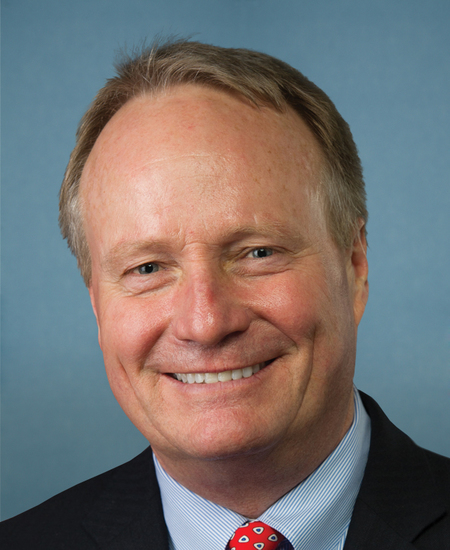
Rep. David P. Joyce
Sponsored bills
Maddy summaryHR 2711, the SAYFE Act, requires annual sexual abuse prevention training for all students enrolled in Junior Reserve Officers' Training Corps (JROTC) programs. The training, delivered by an external entity (not JROTC instructors), must be age-appropriate, evidence-based, and cover topics like grooming, cyberbullying, appropriate adult-student interactions, and digital abuse. It also mandates providing students with local resource contacts for reporting abuse or accessing support. The Secretary of Defense must establish metrics to evaluate the training's effectiveness. This bill directly affects JROTC students in all participating schools.
Maddy summaryHR 1378, the Veterans’ Appeals Backlog Improvement Act, establishes two new programs to improve staffing at the Department of Veterans Affairs (VA) for processing veterans' appeals. It creates a competitive internship program for ABA-accredited law students to gain experience with the Board of Veterans' Appeals, and a nine-year pilot program to recruit and retain entry-level attorneys through student loan repayment benefits and structured professional development, including mentorship and rotational assignments. The bill requires the VA to report on improving telehearings access within 180 days, including recommendations for reimbursing travel costs and testing new methods for remote hearings. These provisions aim to reduce the appeals backlog by strengthening the VA’s legal workforce, directly affecting VA recruitment and retention of legal professionals.
Maddy summaryHJRES 27 is a congressional resolution seeking to block a federal rule that redefined which waterways fall under the Clean Water Act's protections. It targets a rule submitted by the Army Corps of Engineers, Department of Defense, and Environmental Protection Agency (EPA) on January 18, 2023, which aimed to revise the "Waters of the United States" definition. The resolution would formally disapprove this rule under a specific federal procedure (Chapter 8 of Title 5), preventing it from taking effect. This would directly affect how federal agencies regulate pollution and development near water bodies, including wetlands and smaller streams.
Maddy summaryHR 2682, the Veterans Medical Marijuana Safe Harbor Act, creates a federal exemption allowing veterans to use, possess, or transport state-legal medical marijuana without facing federal penalties. It specifically protects veterans in states or tribal lands where medical marijuana is permitted, and permits VA physicians to discuss or recommend it as a treatment for pain or conditions like PTSD. The bill mandates the VA to conduct research on medical marijuana's effects for veterans within 180 days and study veterans' access to state programs within two years. This exemption expires automatically five years after the bill’s enactment.
Harnessing Opportunities by Pursuing Expungement Act of 2023 or the HOPE Act of 2023 This bill authorizes the Department of Justice (DOJ) to make grants to states and local governments to reduce the financial and administrative burden of expunging convictions for state cannabis offenses. The bill also requires DOJ to study and report on (1) the effects on an individual of a criminal record report of a conviction for a criminal offense related to cannabis, and (2) the costs incurred for incarcerating an individual for a criminal offense related to cannabis.
Small Business Tax Equity Act of 2023 This bill exempts a trade or business that conducts marijuana sales in compliance with state law from a provision in the Internal Revenue Code that prohibits business-related tax credits or deductions for expenditures in connection with trafficking in controlled substances.
Maddy summaryThe Veterans Equal Access Act (HR 2431) allows Department of Veterans Affairs (VA) health care providers to give recommendations and opinions to veterans about participating in state-legal marijuana programs. It directly affects veterans living in states, the District of Columbia, Puerto Rico, U.S. territories, or federally recognized tribes where marijuana is permitted under state law. The bill requires the VA Secretary to authorize VA physicians and staff to provide these recommendations, complete related forms, and override any conflicting federal restrictions that previously prohibited such advice. This change enables veterans to receive guidance from VA providers regarding state marijuana programs without fear of VA disciplinary action.
Maddy summaryThis bill establishes a four-year pilot program providing free dental care to 1,500 veterans with type 2 diabetes who are enrolled in VA care but lack access to VA dental coverage, are aged 40-70, and have gum disease (periodontitis). It requires enrollment at five VA facilities, with one-third of participants having mild gum disease and two-thirds having moderate to severe cases, and mandates annual dental evaluations and health outcome tracking. The program aims to determine if timely dental treatment correlates with reduced complications from chronic conditions, collecting data for a congressional report. It does not change existing VA dental benefits but tests whether improved periodontal care lowers long-term healthcare costs for this specific veteran group.
Maddy summaryHRES 293 is a symbolic resolution supporting the designation of April 2023 as "National Native Plant Month" in the United States. It does not create new laws or affect any specific group directly; instead, it formally recognizes the environmental and ecological benefits of native plants. The resolution highlights that native plants prevent flooding/erosion, support wildlife (like pollinators and birds), and are vital to resilient ecosystems, while noting that over 200 native species have been lost since the 1800s. This is purely a ceremonial gesture to raise public awareness, with no binding policy changes or funding implications.