

Maddy summaryThe PREVENT HPV Cancers Act of 2025 creates a national public awareness campaign to boost HPV vaccination rates and combat misinformation, targeting communities disproportionately affected by HPV-related cancers (including Black and Hispanic women, rural populations, and men facing higher oropharyngeal cancer risks). It authorizes $5 million annually from 2026-2030 for evidence-based media, culturally tailored materials, and partnerships with health providers, schools, and community organizations to increase vaccination completion among adolescents (9-12 years old, the optimal age group). The bill also increases annual funding for the Breast and Cervical Cancer Early Detection Program to $300 million starting in 2026, coordinating vaccination efforts with existing screening initiatives. It requires the CDC to consult with health experts and community groups to develop effective messaging about vaccine safety, benefits, and recommended age ranges. The campaign aims to address current gaps, such as the 63% HPV vaccine completion rate among teens and disparities in cancer outcomes.
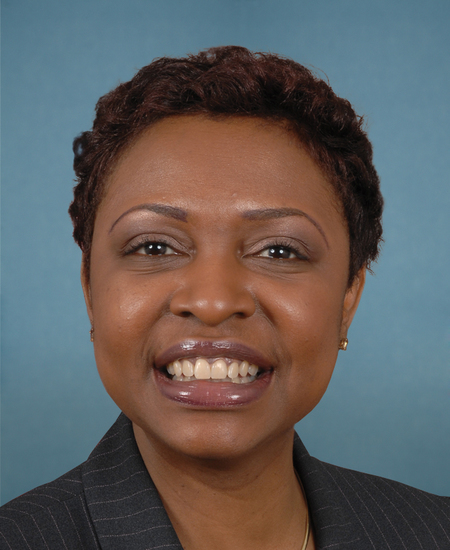
Rep. Yvette D. Clarke
Sponsored bills
Maddy summaryHR 6603, the "Our Parks Act," amends the Federal Lands Recreation Enhancement Act to require the Secretary to waive entrance fees at all National Park System and National Wildlife Refuge System sites that normally charge fees, on every federal holiday listed in 5 U.S.C. § 6103. This means visitors entering these parks on designated federal holidays like New Year's Day or Independence Day will not be charged an entrance fee. The provision directly affects park visitors on those specific holidays, eliminating a standard cost for entry. The change is automatic and applies to all qualifying federal holidays without requiring visitor action.
Maddy summaryThis bill increases federal student loan limits for graduate and professional students. Starting July 1, 2026, it sets a $50,000 annual limit and a $200,000 total aggregate limit (beyond undergraduate borrowing) for unsubsidized Federal Direct Stafford loans. These changes directly affect graduate and professional students pursuing advanced degrees who rely on federal loans for education costs. The provisions aim to provide higher borrowing capacity for these students' educational expenses under the Higher Education Act.
Maddy summaryHR 6579, the Justice for Breonna Taylor Act, requires federal, state, and local law enforcement officers to provide notice of their authority and purpose before entering a premises with a warrant. This applies to all officers serving warrants, including those at the federal level and state/local agencies receiving Department of Justice funding. The law mandates this notice requirement starting in the first fiscal year after enactment, directly affecting law enforcement agencies that receive federal funding for policing. It changes the process for executing warrants by eliminating the ability to conduct no-knock entries without first informing occupants.
Maddy summaryThis bill prohibits Department of Homeland Security (DHS) officers from arresting or detaining immigrants at immigration court facilities during hearings or while arriving/departing for hearings, except with a judicial warrant. It applies to all pending immigration cases, appeals, and motions to reopen, covering anyone whose removal order isn't final. Exceptions allow arrests only to prevent imminent threats to life, safety, or national security. The bill also requires DHS to report scheduled check-in arrests to the Inspector General and mandates annual oversight reports to Congress on compliance.
Maddy summaryHR 6497, the Temporary Immigration Judge Integrity Act, establishes specific rules for appointing temporary immigration judges to handle cases while permanent judges are being hired. It limits temporary judges to 6-month terms (renewable up to four times for a maximum of 24 months), requires them to have at least 10 years of immigration law experience (e.g., former judges, DOJ attorneys, or experienced administrative law judges), and mandates 8 weeks of initial training plus weekly training unless they recently served as permanent judges. The bill also requires the Attorney General to oversee caseloads and performance, ensuring temporary judges have the same authority as permanent judges but emphasizing they should not replace permanent positions. This directly affects immigration courts and the temporary judges appointed under these new standards.
Maddy summaryThe Dignity for Detained Immigrants Act establishes minimum standards for detention facilities operated by the Department of Homeland Security, requiring them to follow the American Bar Association's Civil Immigration Detention Standards. It mandates annual unannounced inspections by the DHS Inspector General, with penalties including fines for noncompliant private facilities and transfers of detainees from noncompliant facilities. The bill requires DHS to publicly report on facility compliance, phase out private detention facilities over three years, and prohibit solitary confinement. It also ensures detainees have access to legal orientation, counsel, and more frequent custody review hearings. The bill directly affects all individuals detained in DHS custody, including immigrants, asylum seekers, and refugees held in facilities operated by or contracted to DHS.
Maddy summaryThis bill would protect unaccompanied children by repealing fee requirements and other provisions in the "One Big Beautiful Bill Act" that have created barriers to their access to humanitarian protections. It specifically exempts unaccompanied children from paying fees for asylum applications, employment authorization, and immigration court proceedings, and requires the government to refund fees already paid under the repealed provisions. The bill also repeals provisions allowing for summary removal of children without due process, intrusive body examinations without safeguards, and sharing of sponsor information with immigration enforcement that has led to family separations. These changes would directly affect unaccompanied children seeking asylum or other protections in the United States, ensuring they can access legal processes without financial barriers or heightened risks of exploitation. The bill aims to uphold protections for unaccompanied children established under the William Wilberforce Trafficking Victims Protection Reauthorization Act of 2008 (TVPRA).
Maddy summaryThis bill creates several tax credits to increase housing affordability for individuals and families. It establishes a first-time homebuyer credit of up to $25,000 (or $50,000 for first-generation homebuyers) for purchasing a principal residence, with income limits based on household size. It also creates a starter home construction credit for building homes under 1,200 square feet priced below 80% of local median home prices, and a renter tax credit for tenants paying more than 30% of their income in rent. Additionally, it provides a credit for converting non-residential buildings to affordable housing that meets specific income and rent restrictions. The bill includes provisions for inflation adjustments and reporting requirements for these tax credits.
Maddy summaryThis bill creates federal grants to support STEM education programs for girls and underrepresented minorities in K-12 schools. It directs $250,000 annually per grant to school districts serving high-poverty communities (with at least 40% students eligible for free/reduced lunch) to fund specific activities like after-school STEM programs, teacher training on reducing bias, mentorship, parental engagement, and summer camps. The grants require schools to track student participation and academic progress in STEM through annual evaluations. The program aims to increase opportunities for these students to develop skills and pursue STEM careers, while ensuring funds supplement - rather than replace - existing resources.