

Maddy summaryHR 2643, the Haiti Criminal Collusion Transparency Act of 2025, requires the U.S. State Department to submit annual reports for five years detailing ties between Haitian criminal gangs and political/economic elites, including specific gang leaders, their operations, and how elites exploit these relationships. The bill mandates that the President impose automatic sanctions - including freezing assets and barring entry to the U.S. - against foreign individuals identified in these reports within 90 days of the report’s submission. These sanctions apply to Haitian officials and business leaders linked to gangs, with limited exceptions for humanitarian aid. The law expires five years after enactment, focusing on transparency and targeted U.S. actions to address collusion threatening Haitian stability and U.S. interests.
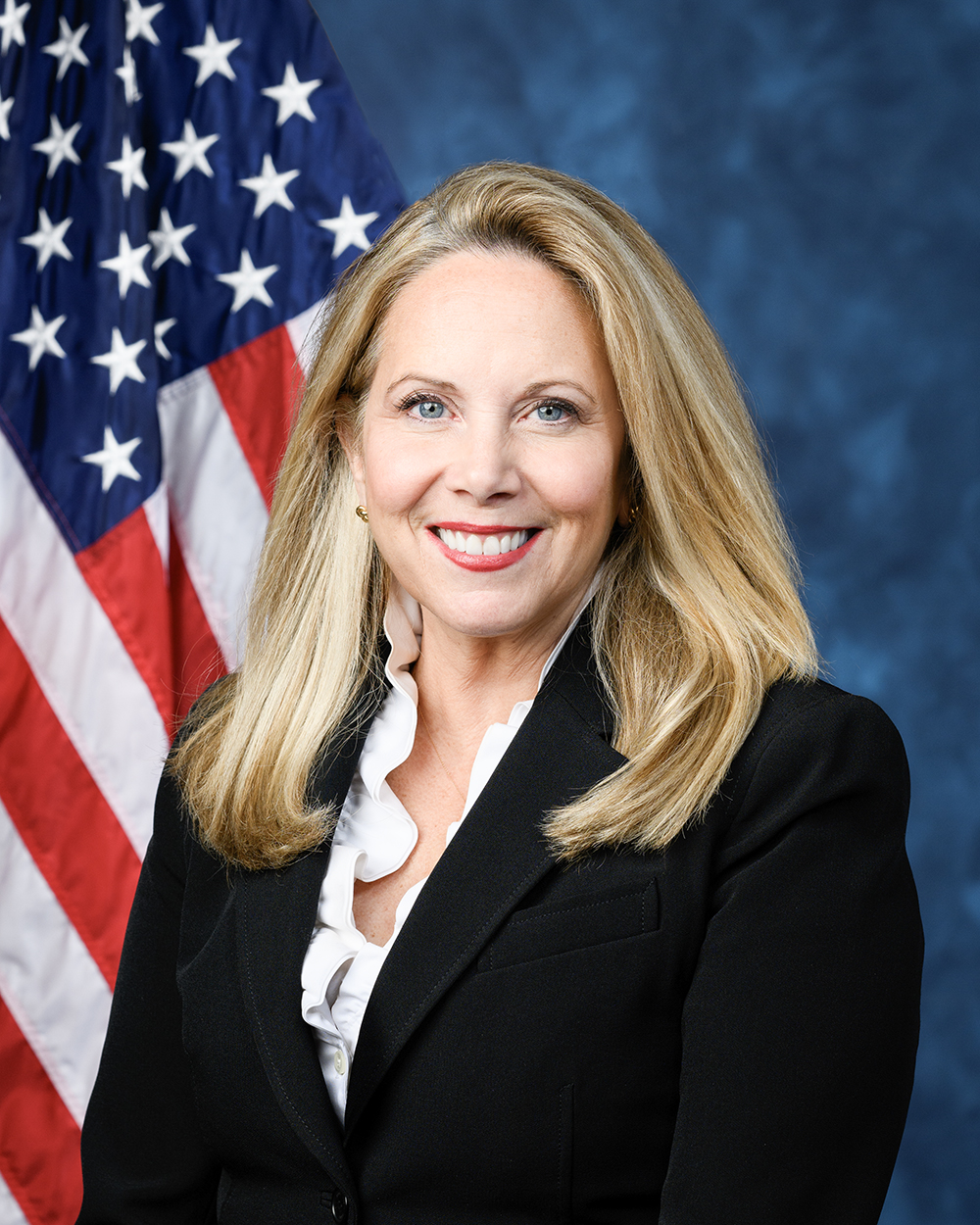
Rep. Laura Gillen
Sponsored bills
Maddy summaryThis bill amends U.S. sanctions law to target Chinese entities and officials involved in fentanyl trafficking. It redefines "foreign opioid trafficker" to include Chinese chemical companies or government officials (like those in the National Narcotics Control Commission) that fail to prevent fentanyl precursor trafficking or cooperate with U.S. efforts. Key mechanisms include requiring China to implement stricter chemical shipment labeling and "know-your-customer" procedures, extending sanctions periods from 5 to 10 years, and mandating annual presidential reports to Congress on drug trafficking emergencies. The bill explicitly excludes importation of goods from sanctions coverage.
Maddy summaryThis bill changes Medicaid payment rules to provide more financial support for safety-net hospitals - those serving high numbers of low-income patients. It allows states to use unspent federal funds from prior years to increase payments to these hospitals, without exceeding the overall annual funding cap. States cannot recoup payments already made to hospitals under older rules, and must report any increased payments in their annual Medicaid reports. The changes apply to payments for Medicaid plan years starting after the bill's enactment.
Maddy summaryThe Protecting Young Minds Online Act requires the Center for Mental Health Services to develop and implement a strategy helping local communities address how new technologies, such as social media, affect children's mental health. This strategy will provide communities with practical resources and guidance to support children's well-being in digital environments. The bill amends the Public Health Service Act to add this specific requirement for the Center. It directly affects the Center for Mental Health Services (which must create the strategy) and local communities (which will use the strategy to address technology-related mental health challenges for children).
Maddy summaryHR 4698, the PAAW Act, prohibits the National Institutes of Health (NIH) from conducting or funding research that causes significant pain or distress to dogs or cats. This directly affects NIH-funded studies involving these animals, specifically banning research assigned to USDA-defined severe pain categories (D or E). The law takes effect 90 days after enactment and relies on existing USDA pain classification standards under the Animal Welfare Act. It creates a clear policy change limiting NIH research involving dogs and cats when severe pain is anticipated.
Resident Physician Shortage Reduction Act of 2025 This bill increases the number of residency positions eligible for graduate medical education payments under Medicare for qualifying hospitals, including hospitals in rural areas and health professional shortage areas. The bill provides for an additional increase of 2,000 positions per fiscal year from FY2026-FY2032; during this period, each hospital may receive up to 75 additional positions in total under the bill and current law. Additionally, one-third of the positions that are made available under the bill must be allocated to hospitals that are already operating above applicable resident limits. The bill also requires the Government Accountability Office to report on strategies to increase the diversity of the health professional workforce, including with respect to representation from rural, low-income, and minority communities.
Maddy summaryThis bill creates a 50% tax credit for qualified infertility treatments, allowing eligible individuals to reduce their federal income tax by half their eligible expenses. It directly affects people diagnosed with infertility or those needing fertility preservation (e.g., before cancer treatment) who pay for physician-provided care. The credit is capped at $5,000 annually (adjusted for inflation), phases out for taxpayers with adjusted gross income over $40,000, and cannot be claimed if expenses are covered by insurance or other programs. The credit applies to tax years beginning after December 31, 2024.
Maddy summaryThis bill prohibits life, disability, and long-term care insurers from denying coverage, canceling policies, or increasing premiums based solely on a person's status as a living organ donor. It directly protects living organ donors by preventing insurance discrimination unrelated to actual health risks. The bill also requires the Health and Human Services Secretary to update public educational materials about organ donation benefits, risks, and insurance impacts within six months of enactment. These materials will include information on the new insurance protections established by the bill. The law relies on state insurance regulators for enforcement of the insurance provisions.
Maddy summaryThis bill amends the Family and Medical Leave Act (FMLA) and federal employee leave rules to clarify that recovery from organ donation surgery qualifies as a "serious health condition." It directly affects private-sector workers covered by the FMLA and federal civil service employees. The key change adds "including recovery from surgery related to organ donation" to the definitions of serious health conditions in both the FMLA and federal leave statutes. This ensures eligible employees can use their existing family and medical leave benefits to recover after donating an organ, without requiring new leave entitlements.
Maddy summaryHR 4335, the Abraham Accords Defense Against Terror Act, streamlines U.S. defense exports to countries that have normalized relations with Israel (via the Abraham Accords) and cooperate with the U.S. on countering Iran and Iran-aligned threats in the Middle East and North Africa. The bill authorizes the Secretary of State to identify qualifying countries and fast-tracks approval for military sales, leases, or transfers to them, requiring a 15-day congressional notification with specific safeguards. Key safeguards include ensuring sensitive U.S. technology isn’t shared with China or Russia and mandating regular strategy reports to Congress on implementation, threat assessments, and pending defense deals over $25 million. This directly affects participating Middle Eastern nations and U.S. defense export processes, aiming to accelerate security cooperation without altering Israel’s military edge. The bill focuses on procedural changes to expedite defense cooperation, not on new funding or policy outcomes.