

Enhanced Iran Sanctions Act of 2025 This bill imposes sanctions on certain foreign persons (individuals and entities) that are involved in Iran's petroleum sector as well as certain associated persons. The bill also requires or authorizes actions to facilitate the enforcement of sanctions on Iran. Specifically, the bill requires the President to impose visa- and property-blocking sanctions on any foreign person that, after the bill's enactment, knowingly engages in any transaction related to the processing, export, or sale of oil, condensates, gas, liquefied natural gas, or other petrochemical products in whole or in part from Iran. The President must also impose sanctions on certain foreign persons associated with a sanctioned individual or entity. For example, the President must sanction the subsidiaries and corporate officers of a sanctioned business. The bill provides certain exceptions to these sanctions, including specifying that sanctions do not apply to the importation of goods or to conducting or facilitating transactions for humanitarian assistance. The Department of State must establish an interagency working group that shall seek to establish a multilateral contact group to coordinate international efforts to enforce sanctions on Iran. The bill expands the State Department rewards program to authorize a reward payment to any individual who furnishes information leading to the identification of a person (1) subject to sanctions under this bill, or (2) that has attempted or is attempting to evade sanctions under this bill.
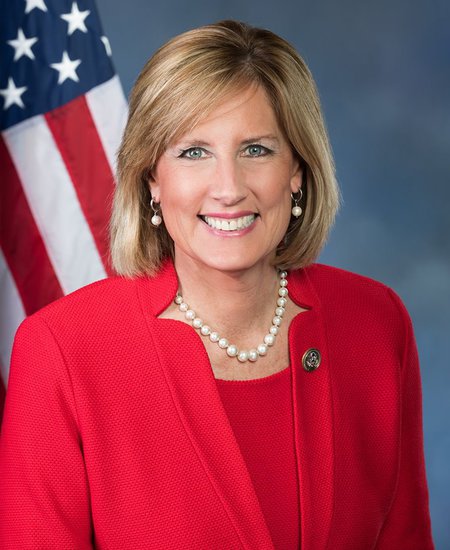
Rep. Claudia Tenney
Sponsored bills
Maddy summaryThis bill, known as the Diabetes Foot Health Access and Modernization Act of 2026, makes two main changes to federal healthcare programs. First, it allows Medicaid to cover foot and ankle care services provided by podiatric physicians, ensuring patients have access to this specialized care. Second, it updates Medicare rules to clarify documentation requirements for diabetic shoes, specifying conditions under which patients can receive extra-depth or custom-molded footwear. The changes take effect on January 1, 2026, for Medicaid services and January 1, 2028, for Medicare shoe coverage.
Maddy summaryThis bill, titled the Healthcare is Human Act of 2026, creates a tax credit for licensed health care professionals who work in qualifying facilities, including Veterans Affairs medical facilities and those located in health professional shortage areas. The credit amount varies based on the number of hours worked each month, ranging from $300 to $500 per month depending on whether the professional works between 80-120, 120-160, or more than 160 hours of qualifying health care services. To receive the credit, professionals must work at least 80 hours in at least 8 months during the tax year, and their modified adjusted gross income must not exceed $200,000 for single filers or $400,000 for joint filers. The credit is available for taxable years beginning after December 31, 2025, and expires after December 31, 2030, with a requirement for a Government Accountability Office study to evaluate its impact on health care retention and access.
Maddy summaryThis bill, titled the Stop Unemployment Fraud Act, requires states to verify the identity of unemployment compensation claimants using government-issued IDs and supporting documents like utility bills or lease agreements. It mandates that states use data-matching systems to cross-check claimant information against employment records, new hire directories, and databases of incarcerated or deceased individuals to detect and prevent fraud. The legislation also prohibits relying solely on a claimant's self-attestation to prove eligibility and strengthens work search requirements by mandating that claimants maintain and submit weekly records of job search activities. Additionally, the bill allows states to use up to 5% of recovered overpayments or collected contributions to fund fraud prevention efforts, technology modernization, and proper employment classification programs.
Maddy summaryThe MINT Act modifies rules for federal home loan banks backing tax-exempt bonds used in community development projects. It removes a 2010 deadline for certain bond issuances and shifts safety requirements to be set by the Federal Housing Finance Agency Director, rather than fixed standards. This directly affects community development organizations and local governments using tax-exempt bonds for housing or neighborhood revitalization. The changes apply to guarantees issued after the bill's enactment, streamlining how these bonds are secured.
Maddy summaryThis bill establishes a permanent "Payroll Audit Independent Determination" (PAID) program under the Department of Labor, allowing employers to voluntarily self-audit and correct unintentional wage violations under federal law. Employers submit payroll audits identifying minimum wage or overtime errors, then pay back wages directly to affected employees through a streamlined process overseen by the Department. Employees who accept the settlement receive full payment but waive their right to sue for those specific violations, while employers gain protection from future investigations for the same issues. The program, based on a successful 2018-2019 pilot that resolved cases faster and with higher back-wage payments than traditional enforcement, includes strict safeguards like confidentiality for submitted data and requirements for employer good faith.
Maddy summaryThis bill removes the income limit that currently applies to prize money and medals won at the Olympic and Paralympic Games. Under current law, athletes can exclude up to $200,000 of such winnings from their taxable income, but this bill would eliminate that cap entirely. The change would affect all athletes who compete in these international events and receive medals or prize money from the United States Olympic Committee. The new rules would apply to any awards received after December 31, 2025.
Maddy summaryHR 7678, the Gun Owner Registration Information Protection Act, prohibits federal funding for state or local databases that track lawfully owned firearms or their owners. The bill allows federal funding for databases recording lost or stolen firearms but bans it for databases listing legal gun ownership. This means states cannot use federal money to create or maintain systems that compile information about legally owned guns. The bill directly affects state and local governments that rely on federal funds for firearm ownership databases.
Maddy summaryThis bill updates administrative procedures for the Public Safety Officers' Benefits Program to speed up claim processing and expand disability coverage. It requires the Bureau of Justice Assistance to notify claimants about missing information within 90 days and issue interim payments if claims aren't resolved within 270 days, while also mandating annual audits of backlogged claims. The legislation adds benefits for permanent partial disabilities that prevent officers from working in their previous capacity and creates a faster approval process for claims supported by World Trade Center health certifications.
Respect State Housing Laws Act This bill eliminates a provision that requires a 30-day notice period before a landlord may begin eviction proceedings against a tenant in federally assisted or federally backed housing.