

Maddy summaryHJRES 31 is a procedural resolution seeking congressional disapproval of a specific rule issued by the Department of Veterans Affairs (VA) concerning reproductive health services. It targets the VA's September 2022 rule (published in the Federal Register as 87 Fed. Reg. 55287), which established policies for reproductive health care access for veterans. If passed, this resolution would nullify the VA rule, preventing it from taking effect under the Congressional Review Act (Chapter 8 of Title 5, U.S. Code). The bill directly affects the VA’s ability to implement its reproductive health services policy for veterans.
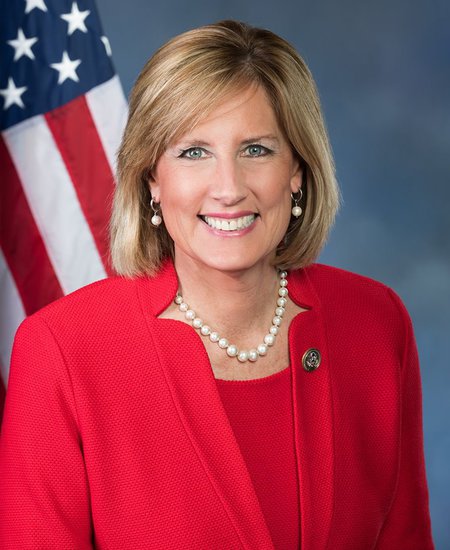
Rep. Claudia Tenney
Sponsored bills
This resolution condemns Iranian state-sponsored terrorist attacks against U.S. citizens and officials and Iranian dissidents. The resolution also expresses support for the people of Iran who are legitimately defending their rights for freedom against repression and condemns the killing of Iranian protesters by the Iranian regime.
Maddy summaryHCONRES 13 is a concurrent resolution expressing Congress's support for maintaining the current policy that prohibits imposing new fees on local radio stations for playing music. It states that Congress should not impose any performance fee, tax, royalty, or charge on local radio stations for broadcasting sound recordings over the air, or on businesses like bars and restaurants that play music publicly. The resolution argues that such fees would harm local radio stations - critical sources for emergency information and community programming - and jeopardize the economic model that has supported both radio and the music industry for decades. This resolution does not create new law but formally opposes potential legislative changes to the existing fee structure.
Stop Communist Construction of Public Infrastructure Act or the Stop CCP Infrastructure Act This bill prohibits certain entities related to China or the Chinese government from receiving federal funds for public works projects in the United States. Specifically, this prohibition applies to entities that are (1) headquartered in China; or (2) owned, financed, influenced by, or affiliated with the Chinese government, the Chinese Communist Party (CCP), or the Chinese military. Further, state and local governments must verify that a recipient of federal funds for a public works project is free from any obligations, influences, or connections to any of these entities.
Maddy summaryHR 527, the EVEN Act, prohibits employers from enforcing non-compete agreements against employees fired solely for refusing a COVID-19 vaccine. This directly affects workers who lost jobs over vaccine refusal and their employers who tried to restrict their future employment. The bill requires the Federal Trade Commission to issue regulations within 60 days banning such non-competes, treating violations as unfair business practices under existing FTC law. Enforcement includes FTC action, state attorney general lawsuits, and penalties for employers who violate the rule.
Maddy summaryThis bill prohibits federal agencies from entering contracts with or providing funds to entities listed on U.S. sanctions lists. It specifically targets entities on the Treasury Department’s SDN list, Chinese military companies, and communications firms deemed security risks by the FCC. The law blocks all federal funding - whether direct or indirect - from supporting these entities through contracts, investments, or purchases. It directly affects federal agencies, contractors, and any organizations receiving federal funds that might interact with these sanctioned entities.
Maddy summaryThis bill requires the General Services Administration to provide secure firearm storage facilities at the official duty stations of federal judges upon their request. It also mandates that agencies employing administrative judges must provide similar secure storage at their principal duty stations. The provisions apply only to firearms lawfully possessed by these judges, not to new firearm ownership rules. The bill directly affects federal and administrative judges who own firearms, ensuring they have secure storage options at work. It makes no changes to gun ownership laws but creates a new administrative service for judge safety.
Maddy summaryThis bill requires U.S. public companies (specifically "covered issuers" that file annual reports with the Securities and Exchange Commission) to disclose in their annual reports whether they, their subsidiaries, or joint venture partners have maintained Chinese Communist Party organizations during the reporting period. It mandates companies to summarize any CCP participation in their operations and confirm if their board of directors owes fiduciary duties to shareholders under applicable law. The disclosure must be included starting with the second annual report filed after the bill's enactment. This is a reporting requirement focused on transparency, not a prohibition on CCP involvement.
Maddy summaryHR 780, the "Mobilizing Against Sanctuary Cities Act," blocks federal funding for state and local governments that refuse to share immigration information with federal authorities under existing law (8 U.S.C. 1373). It requires the Attorney General to annually identify non-compliant jurisdictions and report them to Congress, with affected areas losing all federal funding for at least one year until compliance is certified. The bill directly impacts local governments that do not cooperate with federal immigration enforcement, such as those with policies limiting information sharing. This policy change creates a direct financial penalty for non-compliance, replacing discretionary federal funding with a mandatory cutoff.
Maddy summaryHR 794, the Ending Mandates on Head Start Educators Act, would remove a federal requirement that Head Start programs mandate vaccines or masks for educators to prevent COVID-19 spread. The bill specifically prohibits the Department of Health and Human Services from enforcing or creating similar rules, such as the 2021 rule published in the Federal Register. This directly affects Head Start educators and the early childhood programs serving low-income children and families. The policy change shifts health protocol decisions from federal mandates to individual program policies.