

Maddy summaryThe SHOPP Act (HR 3127) expands the types of healthy foods SNAP participants can buy with their benefits. It allows fresh frozen fruits and vegetables to count toward nutrition incentives year-round and adds legumes (like beans and lentils) to the list of eligible items. This directly affects SNAP recipients by increasing access to affordable, nutritious options beyond just fresh produce. The changes take effect March 6, 2024, modifying the 2008 Food, Conservation, and Energy Act.
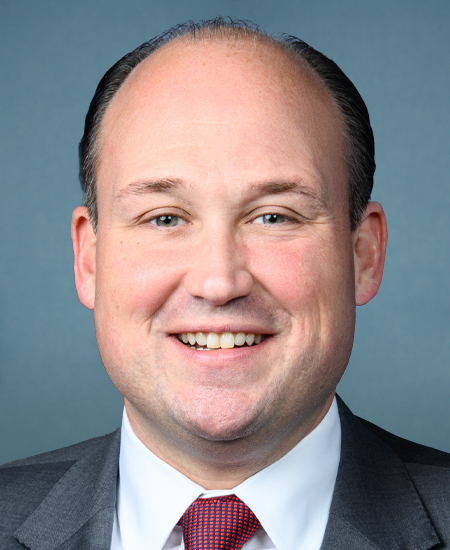
Rep. Nicholas A. Langworthy
Sponsored bills
Maddy summaryHR 3036, the Increased TSP Access Act of 2023, amends conservation program rules to expand access to third-party providers (TSPs) who offer technical assistance to farmers on conservation practices. It creates new pathways for non-Federal entities like agricultural cooperatives or professional associations to certify TSPs, streamlines certification processes (requiring Secretary review within 10 business days), and sets payment rates for TSPs equivalent to government-provided technical assistance. The bill mandates public reporting on certification numbers, payment details, and a target utilization rate for TSPs to improve conservation program delivery. It directly affects farmers participating in USDA conservation programs by increasing options for technical support and requiring transparency in how TSPs are certified and compensated.
Maddy summaryHR 3773, the Stop Anti-Semitism on College Campuses Act, requires colleges and universities receiving federal funding to prohibit any event promoting antisemitism on campus. This includes not hosting, facilitating, funding, or supporting such events. The bill adopts the International Holocaust Remembrance Alliance's 2016 definition of antisemitism - including contemporary examples - as the standard for determining prohibited conduct. The law directly affects all institutions covered by the Higher Education Act of 1965.
Maddy summaryThe HALT Fentanyl Act expands the definition of fentanyl-related substances in the Controlled Substances Act to include many structurally similar compounds, making it easier to regulate new fentanyl analogs without individual listing. It defines these substances based on specific chemical modifications to fentanyl, with limited exceptions for substances already controlled or listed elsewhere. The bill also streamlines research procedures for schedule I substances by creating expedited registration processes and allowing multiple studies under one registration, while requiring the Attorney General to publish a list of substances meeting the new definition.
Maddy summaryHR 3577, the Medical and Health Stockpile Accountability Act of 2023, requires the federal government to create an automated tracking system for critical medical supplies held in the national stockpile and shared with state, tribal, local, and private entities like hospitals and manufacturers. The system must provide near real-time data on supply levels, establish standardized reporting for product categories and inventory, and ensure private entities' data remains confidential and cannot be used for reallocation or commercial purposes. It mandates annual testing of the system, provides $250 million for development (2024-2029), and offers support to smaller healthcare facilities without automated tracking systems. The bill directly affects federal agencies managing the stockpile, healthcare providers, and medical supply manufacturers by standardizing and securing supply chain data during emergencies.
Maddy summaryHR 3712, the Digital Dollar Pilot Prevention Act, prohibits the Federal Reserve from testing or implementing a digital dollar without new congressional approval. The bill amends the Federal Reserve Act to explicitly block the Fed and its banks from launching any pilot program for a central bank digital currency (a digital form of U.S. dollars issued directly by the Federal Reserve) or partnering with private entities for such testing. This directly affects the Federal Reserve System, preventing it from moving forward with any digital dollar initiatives until Congress passes a separate law authorizing them. The law aims to halt potential development of a Fed-issued digital currency until lawmakers address its implications through new legislation.
One Vote One Choice Act This bill prohibits states from using ranked-choice voting in federal elections. Ranked-choice voting is a system that allows voters to rank candidates on a ballot in order of preference.
Maddy summaryHR 3693, the Migrant Relocation Transparency Act, requires federal agencies (HHS for minors, DHS for adults) to consult with state governors and local leaders at least three business days before moving non-detained migrants. It mandates monthly reports to Congress, state governors, and the public detailing migrant numbers by family status, age, gender, country of origin, housing types, work permits, federal spending, and security screenings. The reports must be published online and include specific data on resettlement methods, educational resources, and whether relocations are temporary or permanent. This bill directly affects state/local officials and federal agencies managing migrant relocation, aiming to increase transparency in federal migration policies.
Maddy summaryHR 3711, the "Schools Not Shelters Act," prohibits elementary, secondary, and higher education institutions receiving federal funding from using their facilities to shelter certain immigrants - specifically those unlawfully present in the U.S. or in removal proceedings - unless the shelter is a dormitory where the individual pays standard room and board fees. The bill applies to all federally funded school facilities except dormitories (including dining facilities) where the immigrant covers costs like regular residents. It explicitly excludes short-term emergency shelters needed during natural disasters. The law does not change immigration status but restricts school facilities from serving as housing for targeted immigrants without payment.
Stop Our Scourge Act of 2023 or the SOS Act of 2023 This bill directs the Department of Homeland Security to designate illicit fentanyl as a weapon of mass destruction and requires the Office of National Drug Control Policy to conduct an assessment regarding that substance. Specifically, the office must assess foreign manufacturing of illicit fentanyl, the tools and capabilities across federal agencies to address trafficking of that substance, the capabilities of the Mexican military to conduct counterdrug missions with respect to that substance, the capacities and willingness of China to take specified actions with respect to that substance, and illicit fentanyl being trafficked into the United States from Mexico.