

Maddy summaryThe Kira Johnson Act establishes a federal grant program to support community-based organizations in improving maternal health outcomes for populations facing higher rates of maternal mortality and health disparities. It allocates $100 million annually from 2027 to 2031 for grants that fund programs addressing social determinants of health, culturally congruent care, and support for midwifery practices. The bill also creates a separate $5 million annual funding stream for training all maternity care employees on bias reduction, trauma-informed care, and respectful service delivery. Additionally, the legislation requires hospitals and health systems to establish compliance programs that allow patients to report bias and mandates regular public reporting on these efforts. A study by the National Academies and ongoing evaluation by the GAO will assess the effectiveness of these initiatives in improving patient experiences and health outcomes for pregnant and postpartum individuals from racial and ethnic minority groups.
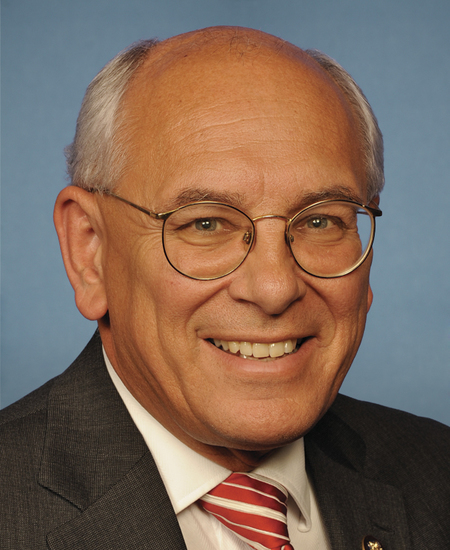
Rep. Paul Tonko
Sponsored bills
Maddy summaryThe Mental Health Access and Provider Support Act of 2026 increases Medicare payments to psychologists by 10 percentage points, raising the reimbursement rate from 75 percent to 85 percent of the standard fee schedule. This change directly affects Medicare beneficiaries who receive mental health services from psychologists and the psychologists themselves who provide those services. The bill applies to services furnished on or after January 1, 2027, and modifies existing payment provisions in the Social Security Act without altering other aspects of mental health coverage.
Extending WIC for New Moms Act This bill amends the Special Supplemental Nutrition Program for Women, Infants, and Children (WIC) to extend the eligibility periods for breastfeeding and postpartum women. Specifically, a state program may elect to certify a breastfeeding woman for up to 24 months (currently 1 year) postpartum. The bill also expands the eligibility period for postpartum women to up to 24 months after termination of pregnancy (currently 6 months). The Department of Agriculture must submit a report to Congress evaluating the effect of these changes to the program on (1) maternal and infant health outcomes, (2) breastfeeding rates, and (3) qualitative evaluations of family experiences under WIC.
Maddy summaryThe GUARDRAILS Act (HR 8031) repeals the December 11, 2025 Executive Order on Artificial Intelligence, which previously established a national policy framework for AI development. By removing this executive order, the bill prevents the federal government from using funds to implement, enforce, or administer the policies outlined in that directive. This change directly affects federal agencies and any organizations that were relying on the executive order's framework for AI regulation. The legislation does not create new AI rules but instead eliminates the existing executive mandate that had been in place.
Maddy summaryThe Opportunities in Organic Act establishes a new federal program to support farmers and ranchers transitioning to organic certification and expanding organic operations. It provides cost-share payments for organic certification (up to $1,500 per producer, with higher amounts allowed for socially disadvantaged farmers or in high-cost regions) and funds eligible nonprofits to deliver technical assistance, transition support, and supply chain development. The program specifically targets socially disadvantaged farmers, organic producers, and farms in vulnerable or under-resourced areas, with annual funding starting at $50 million for 2027-2028 and increasing to $100 million annually by 2030.
Maddy summaryHR 7251, the "Prohibit Partisan Park Passes Act," amends federal law to prevent the use of living political figures on National Park Service and federal recreational lands passes. The bill specifically prohibits including images of current or former elected officials or other living political figures on these passes. This change directly affects the National Park Service, which issues the passes, and ensures the design remains neutral. The law modifies existing regulations under the Federal Lands Recreation Enhancement Act to remove partisan imagery from these commonly used visitor passes.
Maddy summaryThe Energy Bills Relief Act aims to lower household energy costs and accelerate the development of low-cost, clean energy by modifying federal tax credits, expanding weatherization programs, and streamlining permitting processes. Key provisions include restoring tax incentives for renewable energy projects, increasing funding for low-income heating assistance, and requiring federal agencies to treat wind, solar, and storage projects with the same procedural fairness as oil and gas projects. The bill also establishes new incentives for upgrading the electricity grid, such as tax credits for transmission lines and grants for wildfire prevention measures, while creating mechanisms to ensure utilities serve public interests and protect consumers from price volatility.
Maddy summaryThis bill requires the Department of Veterans Affairs (VA) to cover abortion care, counseling, and related medication as part of standard hospital and medical services for eligible veterans and certain dependents. It amends VA healthcare law to explicitly include these services under existing coverage for veterans qualifying under section 1703 and dependents eligible under section 1781(a). The policy directly affects veterans and their dependents enrolled in VA healthcare programs by expanding covered benefits to include abortion-related care. This is a concrete policy change to VA healthcare benefits, not a broader abortion law.
Maddy summaryThis bill designates the Chí'chil Biłdagoteel Historic District, a traditional cultural place significant to Western Apache and other Native American tribes, as protected land within the Tonto National Forest. It prohibits mining, toxic waste disposal, pipeline construction, and other development activities on the area to preserve its cultural and natural integrity. The legislation requires the Secretary of Agriculture to maintain the land in its natural condition, consult with affected tribes, and ensure continued access for traditional religious and cultural practices. By withdrawing the land from public land laws and mining rights, the bill prevents future extraction projects that could damage sacred sites, water sources, and ecosystems.
Maddy summaryHRES 1112 is a symbolic resolution supporting March as "Deep Vein Thrombosis and Pulmonary Embolism Awareness Month" to raise public awareness about these preventable conditions. It directly affects the general public, especially high-risk groups like cancer patients, postpartum individuals, and those with mobility issues, by promoting education on DVT and PE prevention. The resolution has no policy or funding mechanisms - it simply expresses congressional support for awareness efforts and recognizes the significance of addressing these conditions that cause an estimated 60,000-100,000 U.S. deaths annually. As a non-binding resolution, it does not create new laws or alter existing policies.