

Maddy summaryThis bill delays a Medicare policy that would have restricted coverage to only intravenous drugs for managing phosphate levels in kidney failure patients. It specifically postpones the implementation of the "oral-only" policy under Medicare's ESRD payment system until January 1, 2033, or until an intravenous drug for phosphate control receives FDA approval - whichever comes first. The bill directly affects Medicare beneficiaries with end-stage renal disease (ESRD) who rely on oral medications for phosphate management. It ensures continued Medicare coverage for these oral drugs during the extended timeline, without changing the underlying payment structure.
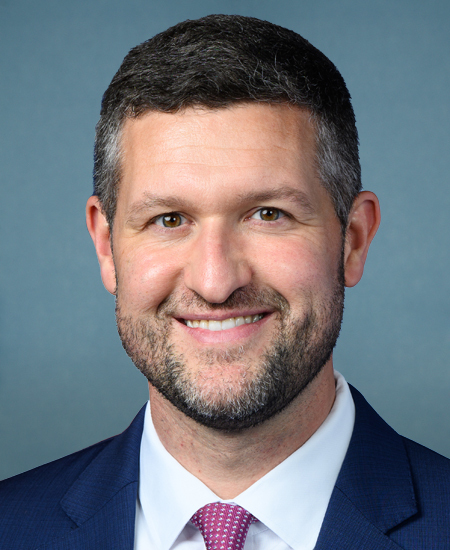
Rep. Patrick Ryan
Sponsored bills
Maddy summaryHRES 1260 is a non-binding resolution expressing the U.S. House of Representatives' support for designating May 2024 as "Progressive Supranuclear Palsy Awareness Month." It recognizes progressive supranuclear palsy (PSP) as a rare neurodegenerative disease affecting approximately 30,000 Americans, with no known cure and symptoms including cognitive decline, balance issues, and speech difficulties. The resolution specifically supports raising public awareness, encourages research for better treatments and a cure, and commends efforts by patients, families, and organizations working to improve PSP care. As a symbolic gesture, it does not create new laws or allocate funding but aims to increase visibility for this under-recognized condition.
Maddy summaryThe SIREN Reauthorization Act (HR 4646) reauthorizes a federal program supporting rural emergency medical services (EMS) from 2024 through 2028. It directly affects rural EMS providers and personnel by requiring training on mental health and substance use disorders in emergency settings and allowing the acquisition of FDA-approved drugs for overdose treatment. Key provisions include updating the program's funding period, mandating new training standards for EMS staff, and expanding equipment access to include overdose-reversal medications. The bill amends Section 330J of the Public Health Service Act to implement these changes.
Maddy summaryThe Alzheimer’s Accountability and Investment Act (HR 620) requires the National Institutes of Health (NIH) Director to annually submit a budget estimate for Alzheimer’s-related initiatives - including personnel needs - directly to the President for review and then to Congress. This budget must be prepared after public comment and submitted without changes by the Secretary of Health and Human Services or the Advisory Council. The bill directly affects the NIH’s budget reporting process for Alzheimer’s research and programs, mandating transparency in how funds are allocated. It does not change funding levels but establishes a specific annual reporting mechanism to improve accountability.
Maddy summaryThis resolution (HRES 1252) honors emergency medical services (EMS) personnel across the United States for their critical work. It recognizes their 24/7 service in rural and underserved areas, their role in stabilizing and transporting patients during emergencies, and their dedication to public health care. The resolution specifically expresses appreciation for EMS workers during Emergency Medical Services Week (May 19-25, 2024). As a ceremonial resolution, it contains no new policies, funding, or legal requirements - only symbolic recognition of their contributions.
Maddy summaryThis bill reauthorizes the National Alzheimer's Project Act through 2035 (extending the previous deadline of 2025) and adds new requirements to promote healthy aging and reduce Alzheimer’s risk factors. It mandates the program to provide information on healthy behaviors that may lower cognitive decline risk and expands the advisory group to include representatives from agencies like the Department of Justice, FEMA, and Social Security Administration, plus experts with diverse clinical trial experience. The bill directly affects Alzheimer’s research, care programs, and the federal advisory group overseeing national efforts. Key changes include requiring annual evaluations instead of initial ones and adding a focus on reducing health disparities in Alzheimer’s initiatives.
Maddy summaryHR 8524, the Elementary and Secondary School Counseling Act, provides federal grants to help high-need schools hire more mental health staff. It requires states to use these funds to support local schools in meeting specific staffing ratios: no more than 250 students per school counselor or social worker, and 500 students per school psychologist. Schools receiving funds must report annually on staffing levels and progress toward these ratios, with the goal of increasing access to school-based mental health services for students. The bill directly affects public elementary and secondary schools identified as "high-need" under existing law.
Maddy summaryThis bill amends the 2022 Camp Lejeune Justice Act to clarify and correct technical details. It updates eligibility requirements for claimants (requiring 30 days at Camp Lejeune and defining "latent harm" instead of "latent disease"), clarifies court jurisdiction for cases, and specifies attorney fee structures (20% pre-litigation, 25% post-litigation). The changes directly affect individuals who developed health issues due to contaminated water at Camp Lejeune, streamlining their legal process under the existing 2022 law.
Maddy summaryThe HELP Act of 2023 provides $550 million annually for 2024-2025 and $450 million for 2026-2030 to strengthen 211 (human services information and referral) and 988 (mental health crisis) services nationwide. It requires states to develop coordinated systems that ensure 24/7 accessibility, reduce non-emergency 911 calls, and connect individuals to appropriate human services and mental health resources. The bill mandates states to create comprehensive service databases, ensure accessibility for people with disabilities, and establish oversight councils with diverse representation to monitor racial equity and service effectiveness. States must also implement diversion programs to connect individuals with mental health responders instead of law enforcement for non-emergency situations. The legislation includes regular reporting requirements and biennial evaluations to measure how effectively the program connects people to needed services and reduces unnecessary law enforcement interactions.
Maddy summaryHR 8415, the Strengthening Cybersecurity in Health Care Act, requires the Department of Health and Human Services (HHS) Inspector General to conduct regular cybersecurity evaluations every two years. These evaluations use security testing to assess how systems handling sensitive health data - like Medicare numbers and patient safety systems - could be compromised. The bill mandates that HHS submit reports to Congress on updating cybersecurity practices and the Inspector General must report on funding use and needed legislative changes for ongoing evaluations. This directly affects HHS operations and the security of patient data across the healthcare system. The law aims to proactively identify and address vulnerabilities in critical health information systems.